Introduction to the FX100 Photoelectric Sensor
The FX100 photoelectric sensor, designed by leading manufacturers in the automation sector, represents a robust solution for object detection in harsh industrial environments. This sensor operates based on modulated infrared or visible light, ensuring reliable performance in dusty, humid, or high-vibration settings. Its compact housing, typically rated IP67, allows for seamless integration into conveyor systems, packaging machinery, and material handling lines. The FX100 model is specifically engineered for long-range detection, offering a sensing distance of up to 10 meters in through-beam configurations, making it ideal for large-scale manufacturing processes.
Core Technical Specifications and Operating Modes
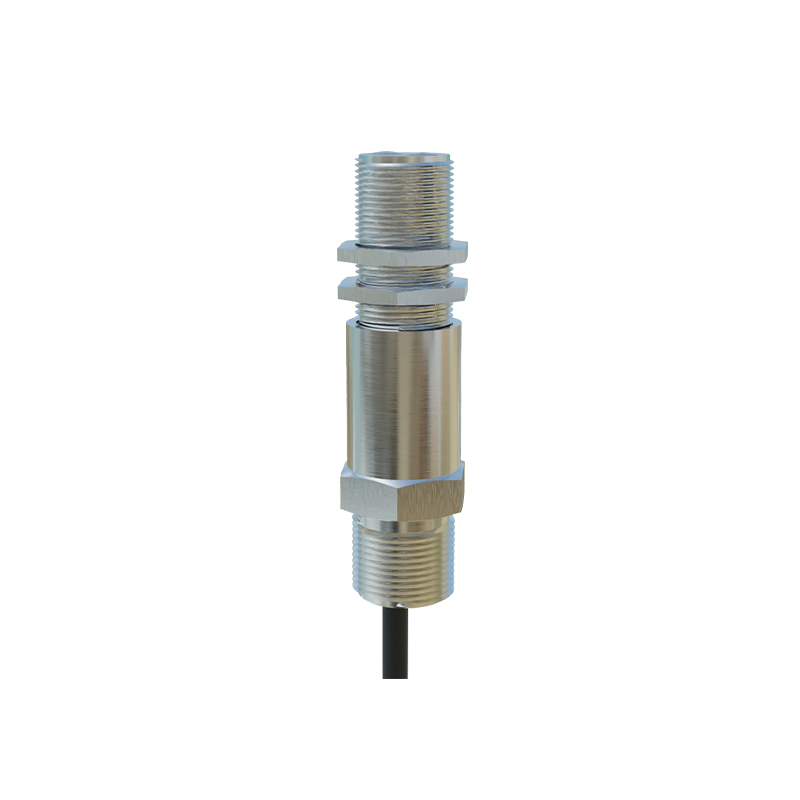
The FX100 sensor supports three primary operating modes: through-beam, retro-reflective, and diffuse reflection. In through-beam mode, the transmitter and receiver are separate units, providing maximum stability and range. Retro-reflective mode uses a reflector for medium-range detection, while diffuse mode relies on the target’s reflectivity. Key specifications include a response time of less than 1 millisecond, a supply voltage range of 10-30 VDC, and an output type of NPN or PNP, depending on the variant. The sensor also features an adjustable sensitivity potentiometer, allowing fine-tuning for transparent or dark objects. Additionally, the FX100 incorporates an LED indicator for alignment and status feedback, simplifying installation and troubleshooting.
Installation and Wiring Best Practices
For optimal performance, the FX100 should be mounted on a stable, vibration-free surface using the provided brackets. Wiring requires careful attention to polarity: connect the brown wire to positive (+V), blue to negative (0V), and black to the output load. Ensure the load impedance matches the sensor’s output current capacity, typically 100 mA maximum. For retro-reflective models, position the reflector at a 90-degree angle to the sensor’s optical axis to minimize dead zones. Shielded cables are recommended in areas with electromagnetic interference, and the sensor’s IP67 rating allows direct exposure to washdown environments, provided the cable gland is properly tightened.
Common Applications in Industrial Settings
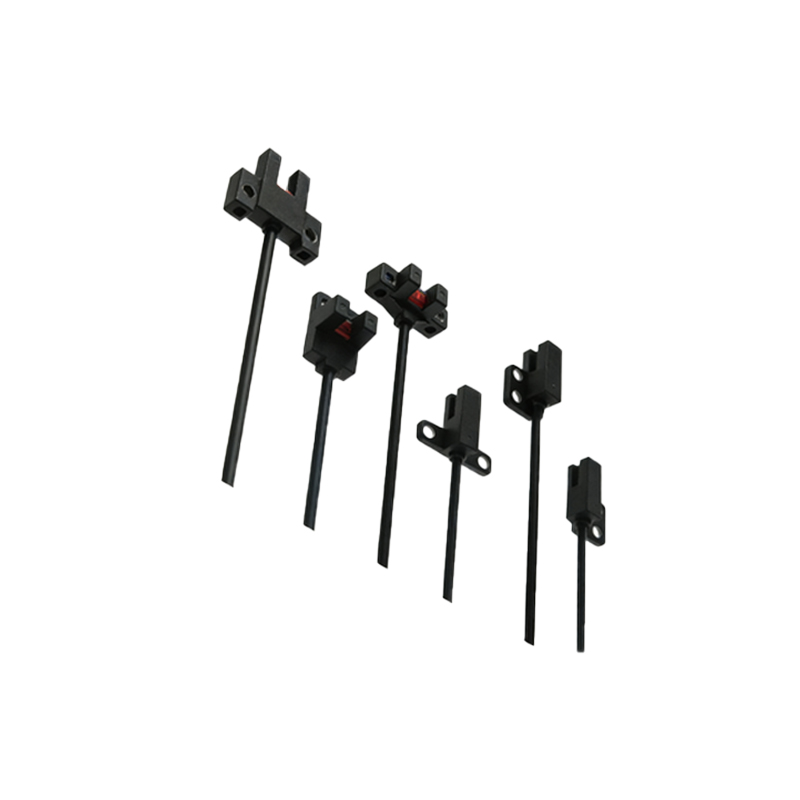
The FX100 excels in high-speed packaging lines where precise object counting is critical. In automotive assembly, it detects metallic components on conveyors, even when lubricants or coolants are present. The sensor’s diffuse mode is effective for cardboard box detection in logistics warehouses, while the through-beam variant is used in steel mills for long-range presence monitoring. Another application is in bottling plants, where the FX100 confirms cap placement or label presence, thanks to its fast response time. Its reliability in temperatures ranging from -25°C to 55°C further expands its use in outdoor or unconditioned facilities.
Troubleshooting and Maintenance Guidelines
Common issues with the FX100 include false triggering due to ambient light interference or reflective surfaces. To mitigate this, adjust the sensitivity setting or install a light shield. If the sensor fails to detect consistently, check for dust accumulation on the lens or reflector; clean with a soft, lint-free cloth. For output signal instability, verify the power supply voltage and grounding. The LED indicator provides diagnostic cues: a steady green light indicates normal operation, while a flashing red suggests alignment error. Regular inspection of cable connections and mounting hardware ensures long-term reliability in continuous duty cycles.