Introduction to the Photoelectric Sensor DT35
The DT35 photoelectric sensor is a high-performance industrial device designed for precise object detection in demanding environments. As an electrical engineer, I have encountered numerous sensor types, but the DT35 stands out due to its robust construction, long sensing range, and versatility. This sensor operates on the principle of light emission and reception, making it ideal for applications where direct contact is impractical. Key features include a sensing distance of up to 35 meters, immunity to ambient light interference, and compatibility with various output configurations. Whether used in conveyor systems, packaging lines, or automated warehouses, the DT35 ensures reliable performance under harsh conditions.
Technical Specifications and Operating Principles
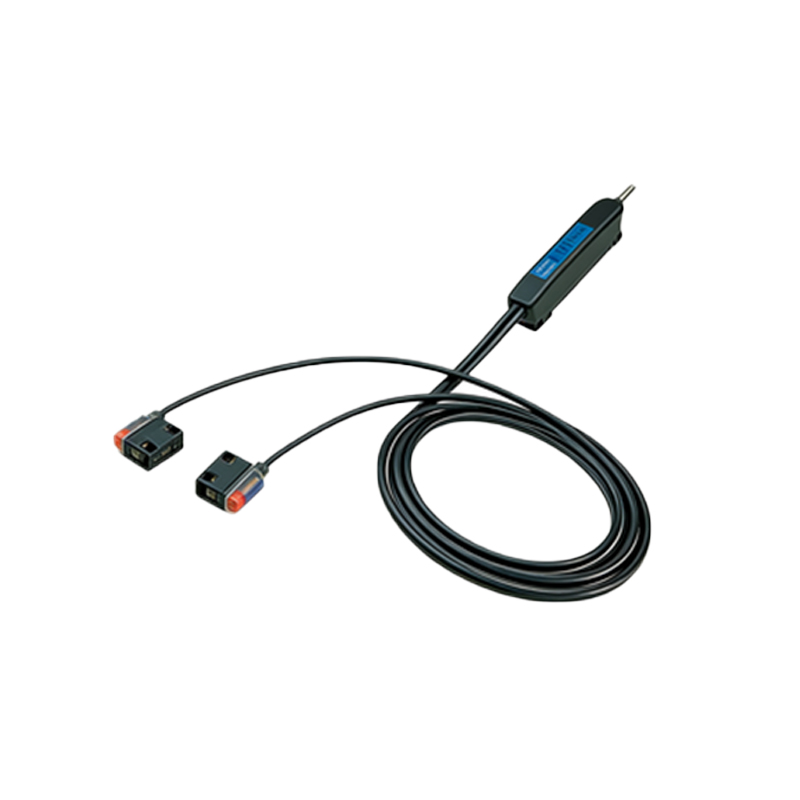
The DT35 utilizes a through-beam or retro-reflective design, depending on the model. In through-beam mode, the emitter and receiver are separate, allowing detection of objects as small as 1 mm at a maximum range of 35 meters. The retro-reflective version uses a single housing with a reflector, achieving up to 20 meters. Key specifications include a response time of under 1 ms, a supply voltage range of 10-30 VDC, and an IP67 protection rating. The sensor employs modulated infrared light to minimize false triggers from ambient sources, such as sunlight or artificial lighting. Engineers must consider the object's reflectivity and color when selecting the appropriate model, as dark surfaces may reduce the effective range.
Installation and Calibration Best Practices
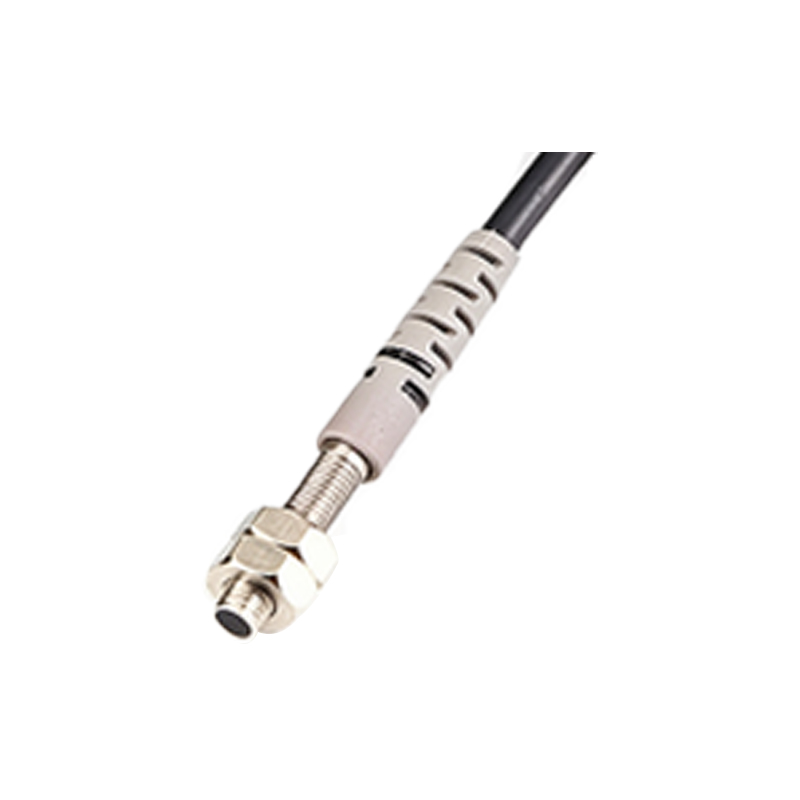
Proper installation is critical for maximizing the DT35's performance. Begin by mounting the sensor at the correct height and angle relative to the target. For through-beam systems, ensure the emitter and receiver are perfectly aligned using the built-in alignment indicators. The DT35 features a potentiometer or teach-in button for sensitivity adjustment, allowing fine-tuning based on the application. Avoid mounting near high-voltage cables or strong magnetic fields to prevent electrical interference. Use shielded cables and proper grounding to enhance signal integrity. After installation, perform a test run with all potential object sizes and speeds to verify reliability. Regular calibration is recommended, especially in environments with dust or vibration.
Common Troubleshooting and Maintenance Tips
Despite its durability, the DT35 may encounter issues such as false triggering or reduced range. First, check the lens for dirt or debris; clean it with a soft, lint-free cloth and isopropyl alcohol. Second, verify the power supply stability, as voltage fluctuations can cause erratic behavior. If the sensor fails to detect objects, adjust the sensitivity or check for misalignment. For retro-reflective models, ensure the reflector is clean and properly positioned. In high-vibration settings, use vibration-dampening mounts. As an engineer, I recommend logging sensor performance data over time to identify trends before failures occur. Regular preventive maintenance can extend the DT35's lifespan to over 100,000 hours.
Industry Applications and Case Studies
The DT35 excels in sectors like automotive manufacturing, logistics, and material handling. For example, in a car assembly plant, this sensor monitors the presence of parts on a conveyor belt, ensuring accurate placement by robotic arms. In a distribution center, it detects packages on a high-speed sorter, reducing jams and misroutes. A case study from a food packaging facility showed a 30% increase in throughput after replacing older sensors with DT35 units. The sensor's ability to operate in temperatures from -25°C to 60°C makes it suitable for cold storage or hot production lines. Its output options—PNP, NPN, or analog—allow seamless integration with PLCs and SCADA systems.