Why Authenticity Matters in Industrial Sensors
In the electrical engineering industry, the reliability of photoelectric sensors is critical for automation systems. Siko, a trusted brand known for precision, is often counterfeited. Fake sensors can lead to inaccurate readings, frequent failures, and even safety hazards in manufacturing lines. As a professional engineer, I have encountered numerous cases where counterfeit Siko sensors caused production downtime. Understanding the differences is essential for maintaining operational integrity.
Visual Inspection: Body Finish and Markings
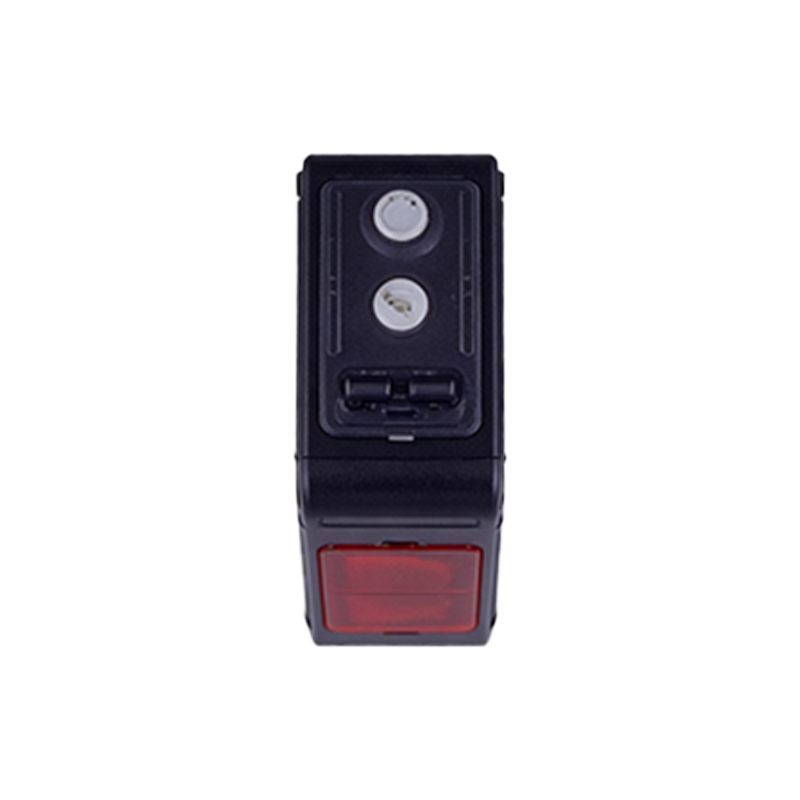
Genuine Siko sensors feature a uniform, matte finish with no rough edges or uneven paint. The brand logo is laser-etched or embossed, not printed. Counterfeits often have blurry or misaligned text, irregular font sizes, or cheap plastic casings. Check the model number; authentic units have a consistent format, such as "Siko-WS10-1P," while fakes may have extra spaces or wrong abbreviations. Also, examine the LED indicator: real sensors have a clear, bright light, whereas knockoffs often emit a dim or flickering glow.
Technical Verification: Performance and Response Time
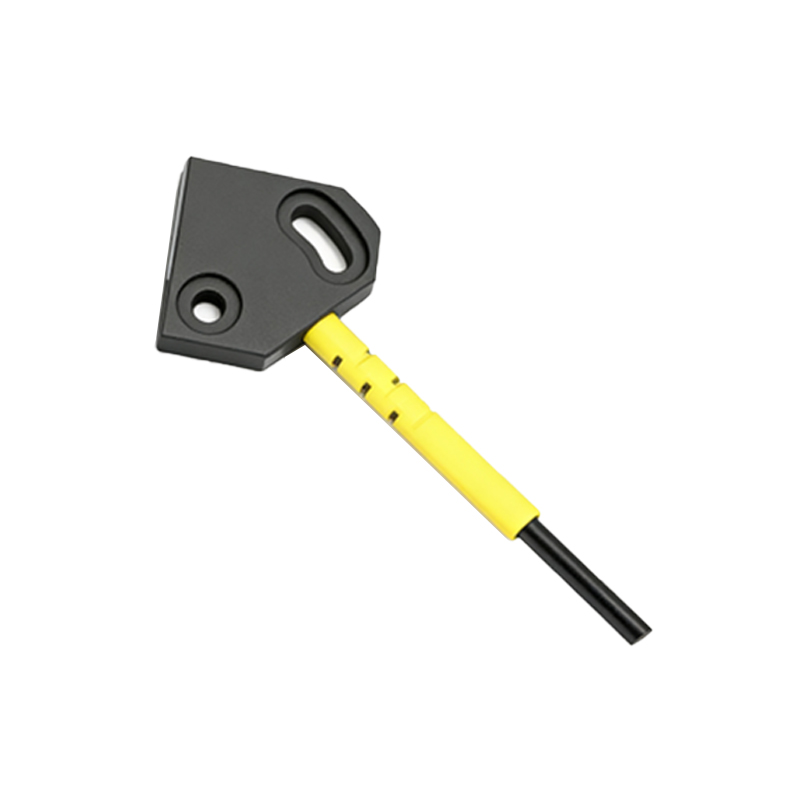
A simple field test can reveal authenticity. Genuine Siko sensors have a response time as low as 0.5 ms and a detection range that matches the datasheet. Use a oscilloscope to measure the output pulse stability; fake sensors typically show jitter or delayed signals. For example, in a conveyor belt application, a real sensor will trigger consistently at 10 mm distance, while a counterfeit might fail at 8 mm or require recalibration. Always compare test results with official Siko specifications.
Packaging and Documentation Red Flags
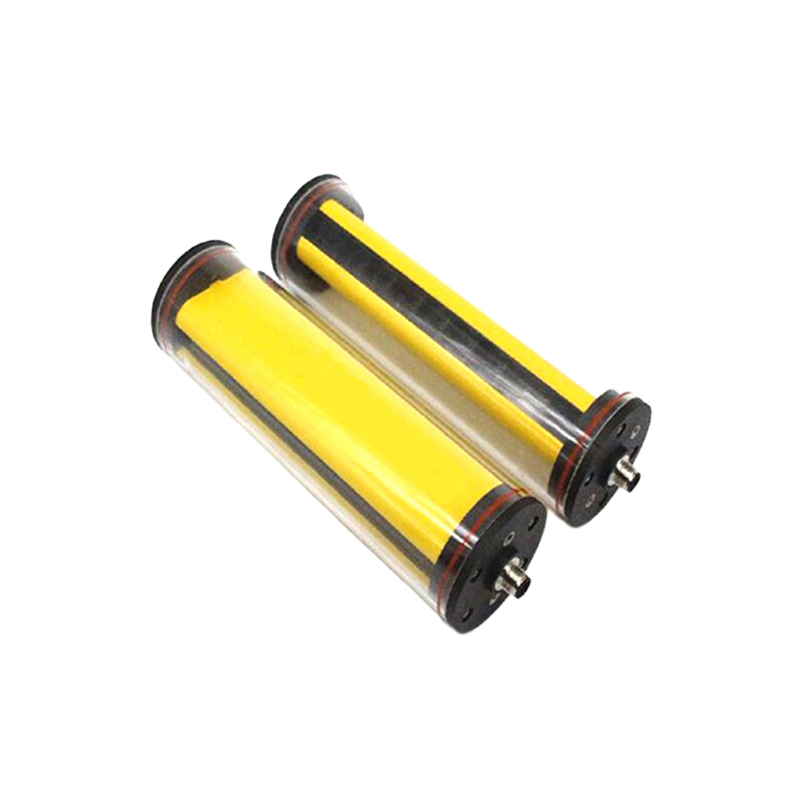
Counterfeit sensors often arrive in flimsy, poorly printed boxes. Genuine Siko packaging includes a holographic sticker, serial number, and a QR code linking to the company's verification page. The manual should be in multiple languages, with crisp diagrams. If the package lacks a warranty card or has typos in the technical data, it is likely fake. Also, beware of unusually low prices from unknown suppliers, as this is a common indicator of fraud.
Practical Steps for Engineers to Avoid Fakes
Always purchase from authorized distributors listed on Siko's official website. When in doubt, request a certificate of authenticity with the shipment. Use a multimeter to check the sensor's voltage range; genuine models adhere to 10-30V DC, while fakes may operate erratically outside this range. For critical systems, consider buying a spare genuine unit to test against suspect batches. Finally, report suspected counterfeits to Siko's customer support to help protect the industry.