Overview of the BJ50 Photoelectric Sensor
The BJ50 photoelectric sensor is a high-performance device designed for industrial automation, object detection, and distance measurement. Operating on the principle of optical sensing, it emits a beam of light—typically infrared or visible red—and detects changes in the reflected or interrupted light to identify the presence, absence, or distance of objects. With a robust housing rated IP67, the BJ50 is built to withstand harsh environments, including dust, moisture, and vibration, making it ideal for manufacturing plants, packaging lines, and logistics systems. Its compact form factor and versatile mounting options ensure easy integration into existing machinery, while its precision allows for reliable detection of objects ranging from transparent materials to irregular shapes. Engineers appreciate the BJ50 for its low power consumption and fast response time, which enhance overall system efficiency.
Key Features and Technical Specifications
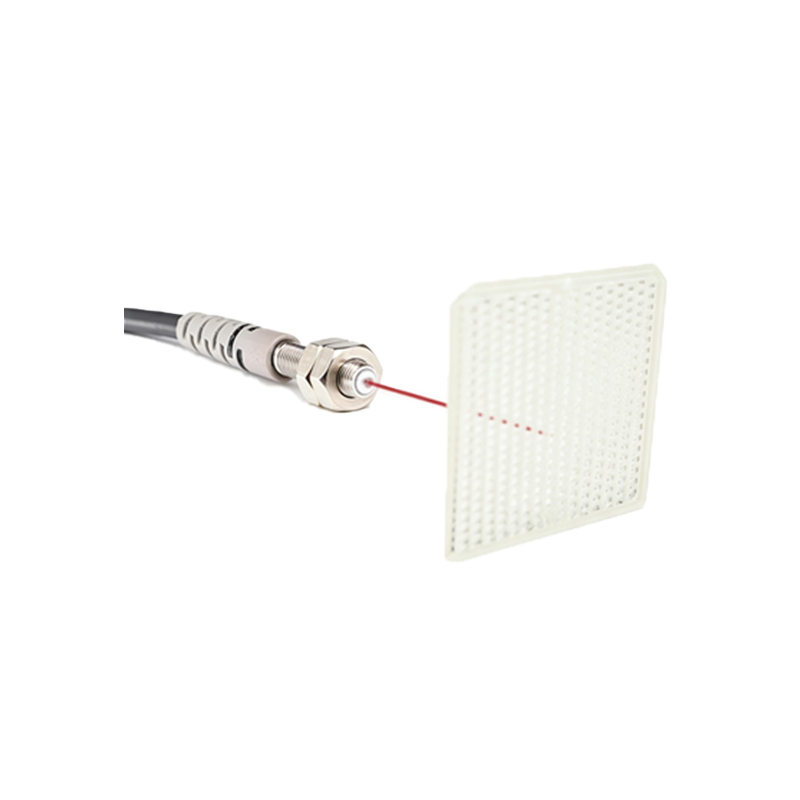
The BJ50 sensor offers a range of features that cater to demanding industrial settings. It provides a sensing distance of up to 50 meters for through-beam models and 10 meters for retro-reflective types, with adjustable sensitivity to fine-tune detection for different materials. The output options include NPN or PNP transistor outputs, as well as analog voltage or current signals, ensuring compatibility with PLCs and control systems. The sensor operates on a wide voltage range of 10-30V DC, with a response frequency of up to 1 kHz, suitable for high-speed applications. Additionally, it includes a built-in LED indicator for real-time status feedback, and a teach-in function for easy setup. The housing is constructed from durable ABS plastic or metal, depending on the variant, and features a 2-meter cable or M12 connector for secure wiring.
Operating Principle and Detection Modes
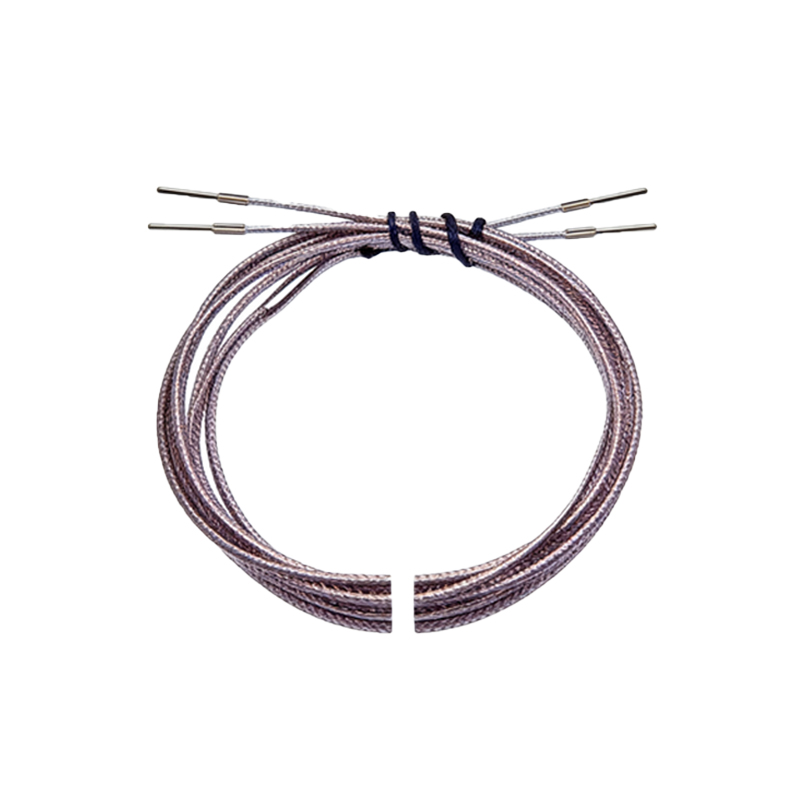
The BJ50 utilizes three primary detection modes: through-beam, retro-reflective, and diffuse reflective. In through-beam mode, the transmitter and receiver are separate units, with the beam directly aligned; an object triggers detection when it breaks the light path. This mode offers the longest range and highest accuracy, suitable for clear or shiny objects. Retro-reflective mode uses a single unit with a reflector, where the beam bounces back to the sensor; detection occurs when an object interrupts the reflected beam. This is ideal for medium-range applications and reduces wiring complexity. Diffuse reflective mode combines the transmitter and receiver in one housing, using the object itself to reflect light; it is best for short-range, direct object detection, particularly for opaque materials. The sensor’s optics are engineered to minimize blind spots and cross-talk, ensuring stable performance even in high-noise environments.
Installation and Calibration Best Practices
Proper installation is critical for maximizing the BJ50’s performance. Begin by selecting the appropriate mounting location, ensuring the sensor is aligned with the target or reflector as per the specific mode. For through-beam models, the transmitter and receiver must be precisely aligned, using the built-in alignment LED for assistance. Mount the sensor on a stable surface to avoid vibration, and protect it from direct sunlight or other intense light sources that could cause interference. For calibration, use the teach-in function or manual potentiometer to adjust the sensitivity and detection threshold. Test the sensor with representative objects, including the smallest and largest targets expected in the application. In dusty or dirty environments, schedule regular cleaning of the lens or reflector with a soft, lint-free cloth to maintain accuracy. Cable routing should follow guidelines to avoid electromagnetic interference from nearby motors or power lines.
Common Applications Across Industries
The BJ50 photoelectric sensor is widely deployed in automotive manufacturing for detecting parts on assembly lines, in packaging for counting and positioning products, and in logistics for automated sorting systems. In food and beverage processing, its IP67 rating allows for washdown environments, where it monitors bottle caps or liquid levels. The sensor is also used in material handling to detect pallet presence on conveyor belts, and in robotics for end-effector positioning. Its ability to detect transparent objects, such as glass or plastic film, makes it invaluable in the printing and labeling industries. Furthermore, the BJ50’s analog output enables distance measurement, which is useful in warehouse automation for stack height monitoring. These applications highlight the sensor’s flexibility and reliability in improving throughput and reducing downtime.
Maintenance, Troubleshooting, and Safety Considerations
Regular maintenance ensures the BJ50 operates at peak efficiency. Inspect the sensor and its wiring monthly for signs of wear, corrosion, or damage, and clean the optical surfaces as needed. For troubleshooting, common issues include false triggering due to ambient light or reflective surfaces, which can be mitigated by adjusting the sensitivity or using a narrower beam angle. If the sensor fails to detect, check for power supply issues, misalignment, or degraded reflectors. Use a multimeter to verify output signals and compare them to the datasheet specifications. Safety is paramount: always disconnect power before servicing the sensor, and ensure the installation meets local electrical codes. In hazardous areas, verify that the BJ50 variant is certified for explosive environments. By following these guidelines, engineers can extend the sensor’s lifespan and maintain consistent performance in critical industrial processes.