Introduction to Photoelectric Sensors in Packaging Automation
Photoelectric sensors are critical components in modern packaging lines, enabling precise detection of objects, labels, and packaging materials without physical contact. As an electrical engineer specializing in industrial automation, I emphasize that these sensors rely on light emission and reception to convert optical signals into electrical outputs, ensuring high-speed, reliable operation in environments ranging from food packaging to pharmaceutical lines.
Basic Operating Principle
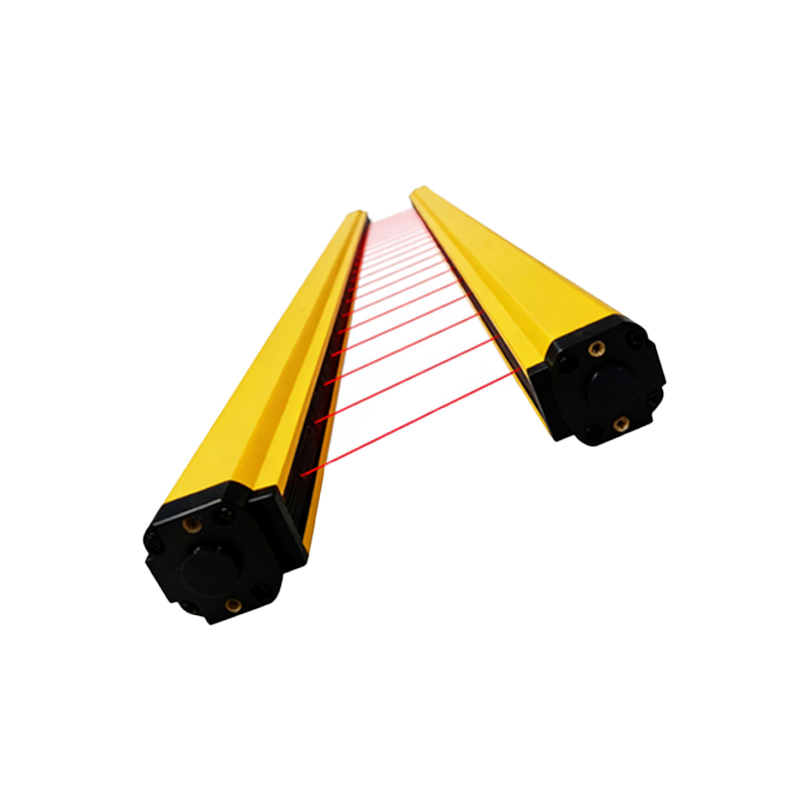
The core principle involves a transmitter that emits a beam of light (usually infrared, visible red, or laser) and a receiver that detects the light. When an object interrupts or reflects the beam, the sensor triggers a switch, sending a signal to the PLC or control system. In packaging lines, this allows for counting, positioning, and verification of items like bottles, boxes, or pouches moving along conveyors.
Types of Photoelectric Sensing Modes
There are three primary modes used in packaging:
- Through-beam mode: Separate transmitter and receiver units are aligned; an object breaks the beam, causing detection. Ideal for long ranges (up to 30 meters) and dusty environments, common in carton stacking.
- Retro-reflective mode: The sensor houses both emitter and receiver, with a reflector placed opposite. The beam bounces back until an object blocks it. This is cost-effective for medium distances (up to 10 meters) and used for clear bottle detection.
- Diffuse mode: The emitter and receiver are in one unit; the light reflects off the object itself. Best for short ranges (up to 2 meters) and detecting irregular shapes like packaged snacks.
Key Technical Parameters for Packaging Applications
Engineers must consider:
- Response time: Typically under 1 ms for high-speed lines.
- Light source: Laser offers pinpoint accuracy for small targets; infrared is better for transparent objects.
- Environmental immunity: IP67 rating and background suppression features prevent false triggers from dust, moisture, or ambient light.
- Output type: NPN or PNP transistor outputs, often with IO-Link for smart diagnostics in Industry 4.0 setups.
Integration with Packaging Line Control Systems
Photoelectric sensors interface directly with PLCs via digital I/O. For example, in a bottle filling line, a retro-reflective sensor detects the presence of a bottle, sending a signal to start the filling nozzle. In label verification, a diffuse sensor ensures a label is correctly applied by measuring reflected light intensity. Calibration is done via potentiometers or software to adjust sensitivity for varying package colors or materials.
Troubleshooting and Maintenance Best Practices
Common issues include lens contamination, misalignment, and cable damage. Regular cleaning with isopropyl alcohol and using alignment tools (e.g., laser pointer aids) ensure uptime. For transparent objects, polarized retro-reflective sensors reduce false readings. Always verify sensor specifications against conveyer speed and object size to avoid missed detections.
Conclusion: Future Trends in Packaging Sensor Technology
Advancements like smart sensors with built-in diagnostics, wireless connectivity, and adaptive algorithms are transforming packaging lines. Engineers should stay updated on multi-beam sensors for simultaneous detection and UV-resistant models for sterilization zones. Proper understanding of photoelectric principles ensures optimal throughput and minimal downtime.