Introduction to Automotive Photoelectric Sensors
Automotive photoelectric sensors are critical components in modern vehicles, converting light signals into electrical outputs to monitor and control various systems. These sensors detect light intensity, distance, or object presence using principles like photoelectric effect, and are widely applied in advanced driver-assistance systems (ADAS), lighting control, and safety mechanisms. As an engineer, understanding their operation and integration is key to optimizing vehicle performance.
How Automotive Photoelectric Sensors Work
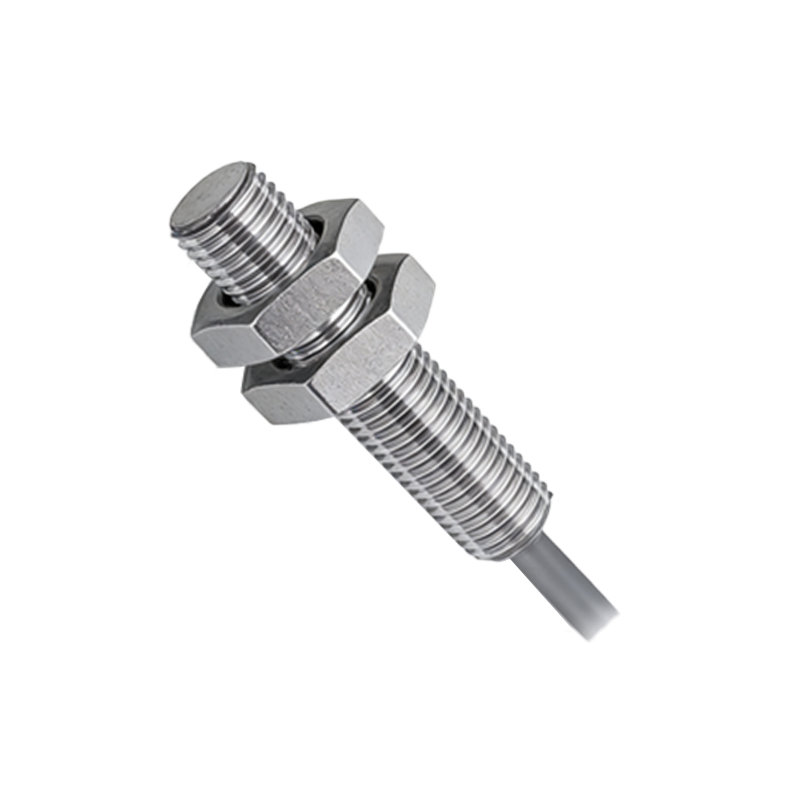
Essentially, these sensors consist of a light emitter (often LED or laser) and a photodetector (like photodiodes or phototransistors). When light from the emitter is reflected by an object or interrupted, the detector registers changes in light intensity, generating a corresponding electrical signal. This signal is then processed by the vehicle’s electronic control unit (ECU) to trigger actions, such as adjusting headlights or activating braking systems. The sensor’s response time and sensitivity are crucial for real-time applications.
Key Types and Applications
Common types include through-beam, retro-reflective, and diffuse sensors. Through-beam sensors offer high accuracy for detecting objects over long ranges, ideal for collision avoidance. Retro-reflective sensors use a reflector to detect transparent or shiny objects, useful in parking assistance. Diffuse sensors rely on reflected light from the target, suitable for proximity sensing in door or trunk systems. Each type is selected based on environmental conditions, such as rain, dust, or vibration, which affect performance.
Integration Challenges and Solutions
Engineers must address issues like ambient light interference, temperature drift, and electromagnetic compatibility (EMC). Shielding and filtering techniques are used to minimize false triggers. For high-reliability applications, sensors are often encapsulated in robust housings with IP67 rating to resist moisture and dirt. Advanced algorithms, such as pulse-width modulation (PWM) for LED emitters, improve signal-to-noise ratios in harsh automotive environments.
Future Trends and Innovations
Emerging technologies like LiDAR and solid-state sensors are enhancing automotive photoelectric systems. These provide higher resolution and faster response for autonomous driving. Integration with machine learning enables adaptive thresholding, improving detection in complex scenes. As electric and self-driving vehicles evolve, these sensors will play a bigger role in energy management and safety, demanding continuous innovation from engineers.
Automotive photoelectric sensors are critical components in modern vehicles, converting light signals into electrical outputs to monitor and control various systems. These sensors detect light intensity, distance, or object presence using principles like photoelectric effect, and are widely applied in advanced driver-assistance systems (ADAS), lighting control, and safety mechanisms. As an engineer, understanding their operation and integration is key to optimizing vehicle performance.
How Automotive Photoelectric Sensors Work
Essentially, these sensors consist of a light emitter (often LED or laser) and a photodetector (like photodiodes or phototransistors). When light from the emitter is reflected by an object or interrupted, the detector registers changes in light intensity, generating a corresponding electrical signal. This signal is then processed by the vehicle’s electronic control unit (ECU) to trigger actions, such as adjusting headlights or activating braking systems. The sensor’s response time and sensitivity are crucial for real-time applications.
Key Types and Applications
Common types include through-beam, retro-reflective, and diffuse sensors. Through-beam sensors offer high accuracy for detecting objects over long ranges, ideal for collision avoidance. Retro-reflective sensors use a reflector to detect transparent or shiny objects, useful in parking assistance. Diffuse sensors rely on reflected light from the target, suitable for proximity sensing in door or trunk systems. Each type is selected based on environmental conditions, such as rain, dust, or vibration, which affect performance.
Integration Challenges and Solutions
Engineers must address issues like ambient light interference, temperature drift, and electromagnetic compatibility (EMC). Shielding and filtering techniques are used to minimize false triggers. For high-reliability applications, sensors are often encapsulated in robust housings with IP67 rating to resist moisture and dirt. Advanced algorithms, such as pulse-width modulation (PWM) for LED emitters, improve signal-to-noise ratios in harsh automotive environments.
Future Trends and Innovations
Emerging technologies like LiDAR and solid-state sensors are enhancing automotive photoelectric systems. These provide higher resolution and faster response for autonomous driving. Integration with machine learning enables adaptive thresholding, improving detection in complex scenes. As electric and self-driving vehicles evolve, these sensors will play a bigger role in energy management and safety, demanding continuous innovation from engineers.