Introduction to Photoelectric Sensors
Photoelectric sensors are essential components in modern industrial automation, converting light signals into electrical outputs for object detection, distance measurement, and process control. These devices operate based on the principle of light emission and reception, making them highly reliable in diverse environments. As an electrical engineer, I have observed their critical role in enhancing system efficiency and safety.
High Detection Accuracy and Sensitivity
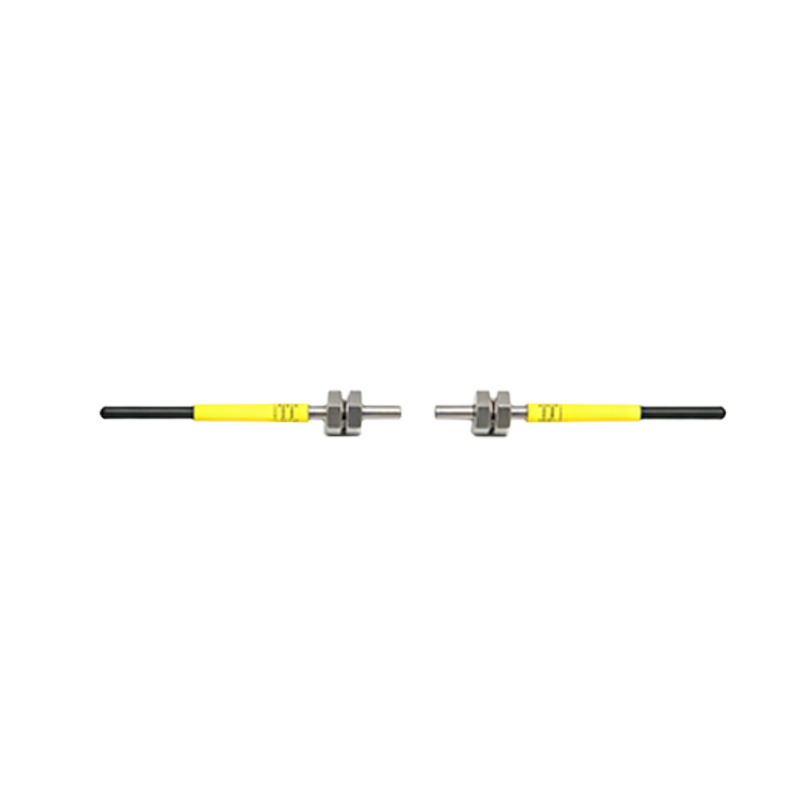
One of the standout features of photoelectric sensors is their ability to detect objects with high precision, even at small sizes or with irregular shapes. Unlike inductive or capacitive sensors, photoelectric models can sense transparent, reflective, or dark-colored targets. They use modulated light to filter out interference from ambient sources, ensuring consistent performance in manufacturing lines.

Versatile Sensing Modes
Photoelectric sensors offer multiple operating modes: through-beam, retro-reflective, and diffuse reflection. Through-beam sensors provide the longest range and highest reliability by using separate emitter and receiver units. Retro-reflective models combine both in one housing with a reflector, simplifying installation. Diffuse sensors excel in detecting objects directly without a reflector, making them ideal for tight spaces.
Robust Performance in Harsh Conditions
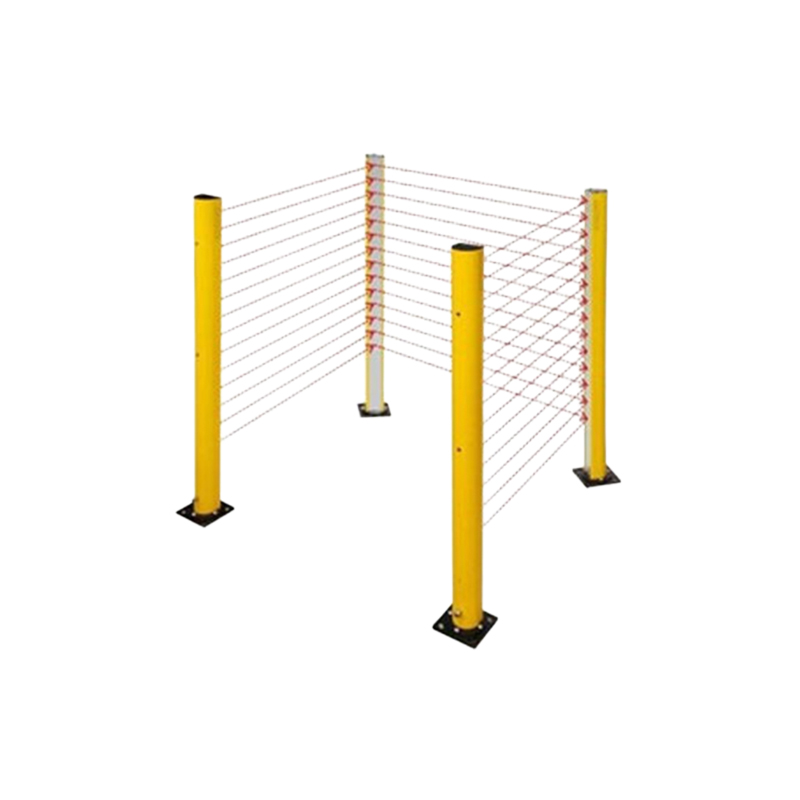
Industrial environments often involve dust, moisture, vibration, and temperature extremes. Photoelectric sensors designed with IP67 or higher ratings withstand these challenges. They also incorporate infrared or laser light sources for enhanced penetration through fog, smoke, or steam, maintaining operational stability in factories and warehouses.
Long Detection Range and Fast Response
These sensors can detect objects from a few millimeters to over 100 meters, depending on the type. Their response times, typically in microseconds, allow for high-speed counting and sorting applications. For example, in conveyor belt systems, photoelectric sensors trigger precise actuator actions without delays.
Non-Contact Operation and Minimal Wear
As non-contact devices, photoelectric sensors eliminate mechanical wear and reduce maintenance needs. This feature is crucial for applications requiring frequent cycling or where physical contact could damage fragile components, such as glass or electronic parts.
Integration with Modern Control Systems
Photoelectric sensors easily interface with PLCs, SCADA, and industrial networks via analog or digital outputs. Many models include IO-Link for bidirectional data exchange, enabling remote diagnostics and parameter adjustment. This integration supports Industry 4.0 initiatives and predictive maintenance strategies.
Cost-Effective and Easy Installation
Despite their advanced capabilities, photoelectric sensors are relatively affordable and simple to set up. Compact designs and mounting accessories allow for quick retrofitting in existing systems. Their long service life further lowers total ownership costs for industrial operators.
Conclusion
Photoelectric sensors combine accuracy, durability, and flexibility, making them indispensable for automation tasks. From simple presence detection to complex positioning, their features address the demands of modern electrical engineering. As technology evolves, these sensors will continue to improve with enhanced AI and connectivity features.