Understanding the Role of Photoelectric Sensors in Automation
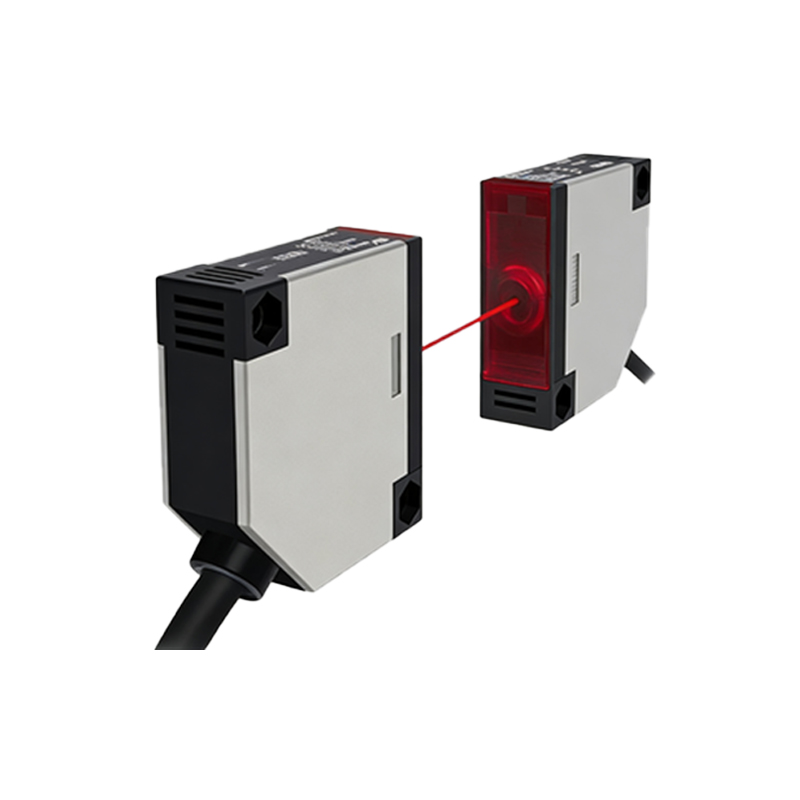
Photoelectric sensors are essential components in modern industrial automation, detecting the presence, absence, or distance of objects using light beams. These sensors operate by emitting a light source (typically infrared or visible light) and measuring the reflected or interrupted signal. In manufacturing environments, they ensure precise object detection for conveyor systems, packaging lines, and robotic guidance. However, their performance heavily relies on a stable and clean power supply. Voltage fluctuations or noise can lead to false triggers or missed detections, compromising production efficiency. Therefore, engineers must consider power supply quality when integrating these sensors into a broader control system.
Why a Buzzer is Critical for Sensor Feedback
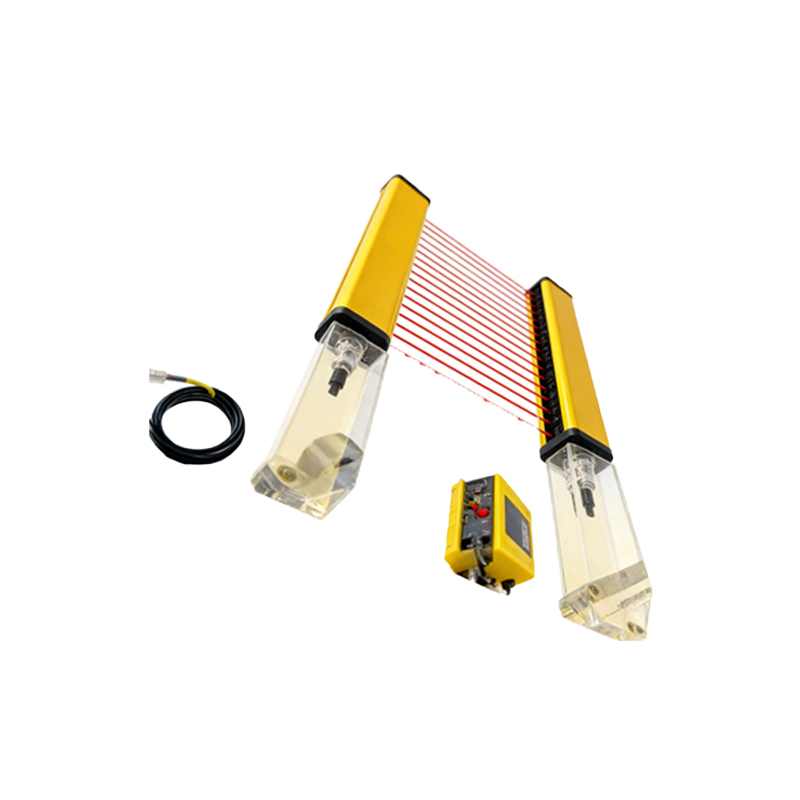
A buzzer serves as an audible indicator, providing immediate feedback when a photoelectric sensor detects a target. In noisy factory floors where visual alarms might be overlooked, a buzzer alerts operators to changes in material flow, jams, or component misalignment. For example, in a sorting system, a buzzer can sound when a sensor misses a package, prompting manual inspection. To function reliably, the buzzer must receive consistent voltage from the same power source as the sensor. This common powering approach simplifies wiring and reduces electromagnetic interference (EMI), ensuring that the buzzer activates in sync with sensor outputs without delays or false alarms.
Power Supply Design Considerations for Combined Systems
When designing a power supply for both a photoelectric sensor and a buzzer, engineers must prioritize voltage regulation and current capacity. Most industrial photoelectric sensors require a DC power supply ranging from 10 to 30 volts, while buzzers often operate at similar levels. A dedicated, stabilized power supply module, such as a switched-mode power supply (SMPS) with low ripple, is recommended. This prevents voltage drops that could cause the buzzer to sound weakly or the sensor to malfunction. Additionally, incorporating a fuse or circuit breaker protects against overcurrent conditions. Grounding and shielding are also critical to minimize electrical noise, especially in environments with heavy machinery.
Practical Wiring and Implementation Tips
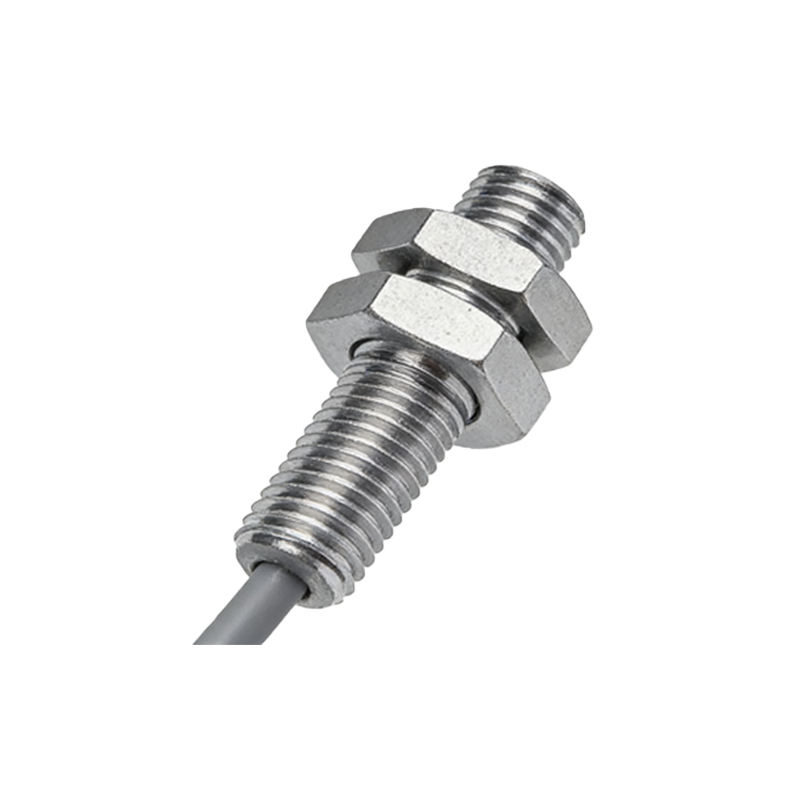
To implement this system effectively, use a centralized power distribution block that supplies both the sensor and buzzer. Connect the sensor’s output to the input of a relay or PLC, which then triggers the buzzer. Ensure that the power supply’s negative terminal is common to both devices to avoid ground loops. For long cable runs, use twisted-pair shielded cables to reduce interference. Test the system under load to verify that the buzzer sounds immediately upon sensor activation. In high-vibration areas, secure all connectors with locking mechanisms to prevent disconnections. Finally, document the power ratings and wire gauges for future maintenance.
Troubleshooting Common Power-Related Issues
If the buzzer fails to sound or the sensor gives erratic readings, first check the power supply voltage with a multimeter. A reading below the sensor’s minimum threshold indicates a need for a higher-rated supply. Next, inspect for loose connections or corroded terminals. If the buzzer hums but doesn’t sound properly, it may be receiving insufficient current due to a long cable run or undersized wires. Adding a local capacitor near the buzzer can smooth out voltage dips. Also, verify that the sensor’s output wiring is not shorted to ground, which could drain power. Regular preventive maintenance, including cleaning sensor lenses and checking supply stability, extends system life.
Conclusion and Future Trends
Integrating photoelectric sensors with buzzers using a shared, robust power supply enhances operational safety and efficiency in industrial settings. As automation evolves, wireless power solutions and energy-harvesting sensors may reduce reliance on wired supplies. However, for now, careful attention to voltage stability, wiring practices, and component compatibility remains paramount. Engineers should stay updated on sensor protocols like IO-Link, which can diagnose power issues remotely. By following these guidelines, you can build reliable sensor-buzzer systems that reduce downtime and improve productivity in any electrical engineer’s project.