Introduction to Photoelectric Sensors in Solar Energy Systems
Photoelectric sensors, also known as photo eyes or light sensors, are critical components in modern solar panel installations. These devices detect changes in light intensity, allowing for precise control of solar tracking, energy harvesting, and system monitoring. In industrial settings, they enhance efficiency by aligning panels with optimal sunlight angles, reducing energy loss, and extending equipment lifespan. This article explores how photoelectric sensors integrate with solar panels to maximize output and reliability.
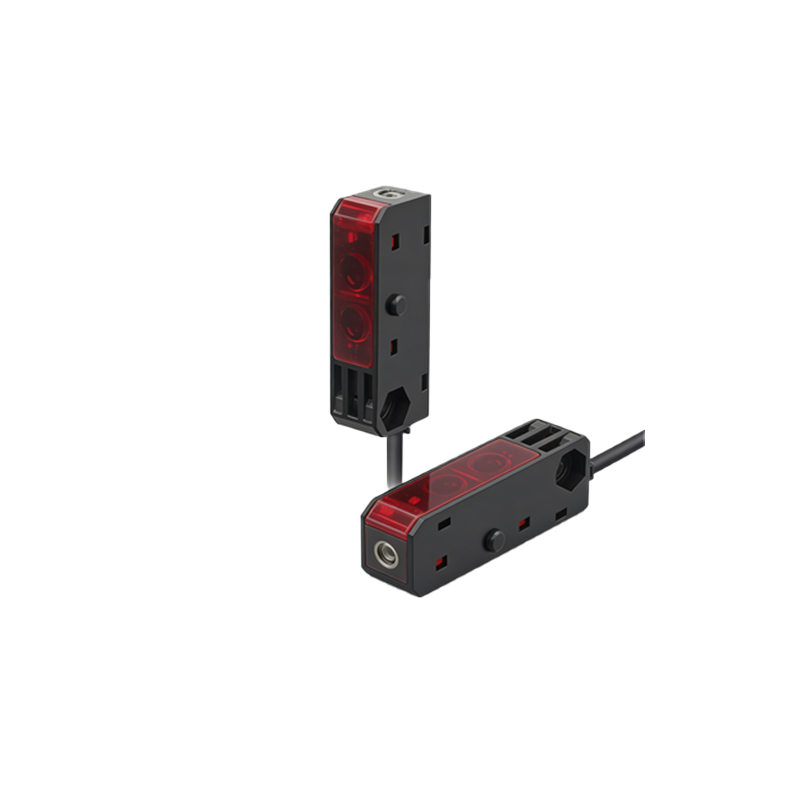
Key Functions of Photoelectric Sensors for Solar Panels
Photoelectric sensors serve three primary roles in solar energy systems. First, they enable automatic solar tracking. By sensing the direction and intensity of sunlight, sensors adjust the panel orientation via actuators, ensuring maximum exposure throughout the day. Second, they monitor panel health. Sensors detect shading, dirt accumulation, or partial faults by analyzing light absorption patterns, triggering maintenance alerts. Third, they optimize energy storage. Sensors communicate with charge controllers to regulate battery charging based on real-time light conditions, preventing overcharge or deep discharge.
Technical Specifications and Selection Criteria
When selecting photoelectric sensors for solar panels, engineers must consider several parameters. Response time is crucial: sensors with millisecond-level response ensure rapid tracking adjustments. Detection range should match the panel’s angular movement, typically 0 to 180 degrees. Environmental resistance is vital, as sensors exposed to UV radiation, temperature extremes, and moisture require IP67 or higher ratings. Output types, such as analog voltage (0-10V) or digital Modbus, must align with the system’s PLC or controller. Additionally, spectral sensitivity should cover the solar spectrum (400-1100 nm) for accurate light measurement.
Integration with Solar Tracking Systems
In a dual-axis solar tracker, photoelectric sensors are mounted at the panel’s corners or center. They compare light intensity from different directions, sending differential signals to a microcontroller. For example, a sensor pair on the east and west sides triggers motor rotation when the western sensor detects higher intensity. This closed-loop control improves energy yield by 25-35% compared to fixed panels. Engineers often use retro-reflective sensors for reliable operation in dusty environments, as they minimize false triggers from scattered light.
Maintenance and Troubleshooting Best Practices
To ensure long-term performance, photoelectric sensors require regular cleaning to remove dust or bird droppings that degrade sensitivity. Calibration checks every six months verify alignment accuracy. Common issues include false readings from reflective surfaces or sensor drift due to thermal expansion. Troubleshooting involves verifying power supply (12-24V DC), checking cable connections for corrosion, and using a multimeter to test output signals. In harsh industrial settings, redundant sensor arrays with voting logic prevent single-point failures.
Future Trends and Innovations
The integration of photoelectric sensors with IoT and AI is transforming solar panel management. Smart sensors now feature wireless communication, enabling remote diagnostics and predictive maintenance. Advances in LiDAR-based sensors allow for 3D shading analysis, optimizing panel layouts in complex environments. Additionally, self-cleaning sensors with hydrophobic coatings reduce maintenance costs. These innovations position photoelectric sensors as key enablers for next-generation solar farms with efficiency rates exceeding 30%.