In industrial automation, manufacturing, and outdoor applications, reliable object detection is critical for safety, efficiency, and process control. However, standard sensors often fail when exposed to moisture, dust, oils, or extreme temperatures. This is where the waterproof proximity switch becomes an indispensable component. Unlike its standard counterparts, this sensor is engineered to deliver consistent, accurate performance in conditions that would compromise or destroy ordinary devices.
A waterproof proximity sensor is a non-contact electronic device designed to detect the presence or absence of an object within its sensing range without physical contact. Its core functionality remains the same as a standard inductive or capacitive proximity switch: it generates an electromagnetic field or uses capacitive coupling, and a change in this field caused by a target object triggers a switching signal. The defining feature is its robust construction. This typically involves a housing made from materials like stainless steel (often V2A or V4A grades) or high-grade plastics like PBT or PPS, which resist corrosion. The critical element is the complete sealing of the housing and the sensing face. This is achieved through specialized potting compounds, laser-welded seams, and high-quality seals (often O-rings) that meet specific Ingress Protection (IP) ratings.
Understanding IP ratings is crucial for selecting the right sensor. The IP code, such as IP67 or IP69K, indicates the level of protection against solids and liquids. For waterproof applications, the second digit is most important. An IP67 rating certifies the sensor can withstand temporary immersion in water up to 1 meter for 30 minutes. IP68 offers protection against prolonged immersion under specified pressure. The IP69K rating is the highest for waterproofing, indicating the sensor can resist high-pressure, high-temperature jet washing, making it ideal for food and beverage or pharmaceutical industries where aggressive cleaning is routine.
The benefits of deploying waterproof proximity switches are substantial. First and foremost is enhanced reliability and longevity. By preventing water, coolant, or chemical ingress, these sensors drastically reduce downtime caused by sensor failure. This leads to lower maintenance costs and higher overall equipment effectiveness (OEE). Secondly, they enable automation in previously challenging environments. Applications include packaging machinery exposed to frequent washdowns, automotive assembly lines with coolant spray, underwater level detection in tanks, mobile hydraulic equipment, and outdoor gate or vehicle detection systems exposed to rain and snow.
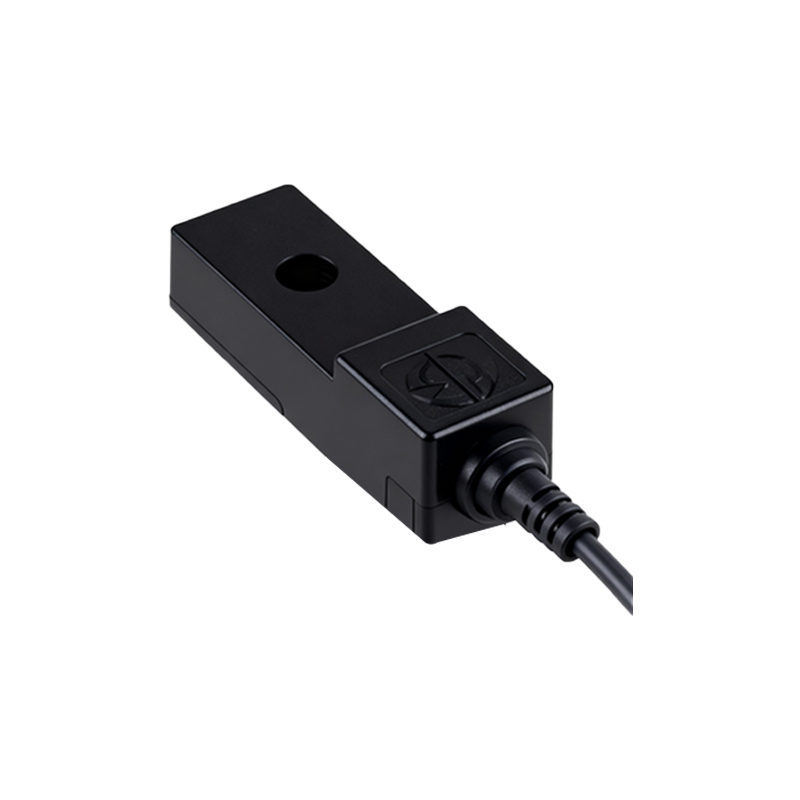
When integrating a waterproof sensor, several technical considerations must be addressed. The sensing distance may be slightly reduced compared to a standard sensor due to the thicker front face material required for sealing. The choice between inductive (for metals), capacitive (for liquids, plastics, and other materials), or ultrasonic sensors depends on the target material. Electrical output (PNP/NPN, NO/NC) and connection type (pre-wired cable or quick-disconnect) must match the control system. It is also vital to ensure that the cable entry point is properly sealed, often using a gland, to maintain the integrity of the entire assembly.
Installation and maintenance, while straightforward, require attention to detail. The sensor should be mounted securely to avoid vibration damage. For flush-mountable models, ensuring a smooth surrounding surface prevents pockets where contaminants can accumulate. Even with a high IP rating, routine checks for physical damage to the housing or cable are recommended. Cleaning should be done with appropriate methods; for instance, a sensor rated IP69K can handle steam cleaning, while one rated IP67 might not.
In conclusion, the waterproof proximity sensor is not merely an accessory but a fundamental engineering solution for robust automation. By providing a sealed, durable detection method, it bridges the gap between sensitive electronic control and the demanding realities of wet, dirty, or corrosive industrial environments. Selecting a sensor with the appropriate IP rating, material construction, and sensing technology for the specific application ensures a seamless, fail-safe operation, protecting both the machinery and the investment behind it.