Understanding Slot-Type Photoelectric Sensors and Their Applications
As an electrical engineer specializing in industrial automation, I often encounter the need for reliable, high-precision detection in manufacturing environments. Slot-type photoelectric sensors, also known as fork sensors, are integral components in applications such as object counting, edge detection, and position verification. Their U-shaped design integrates both emitter and receiver in a single housing, simplifying installation and reducing alignment issues. For engineers, choosing the right supplier is critical to ensure sensor longevity, accuracy, and compatibility with existing control systems.
Key Considerations Before Purchasing
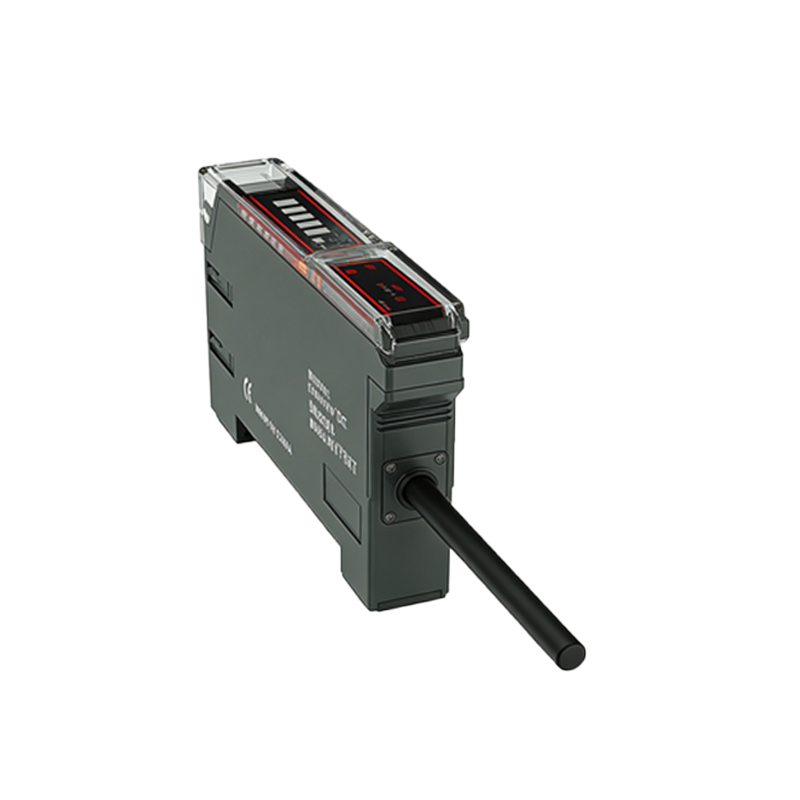
Before searching for where to buy, evaluate your technical requirements. Consider detection range, response time, and environmental factors like dust, moisture, or vibration. Common standards include M8 or M12 connectors, and output types such as NPN or PNP. Verify if you need analog or digital output, and ensure the slot width fits your target object. Reputable manufacturers like Keyence, Omron, and SICK offer robust solutions, but third-party distributors often provide cost-effective alternatives without compromising quality.
Top Online Distributors for Industrial-Grade Sensors
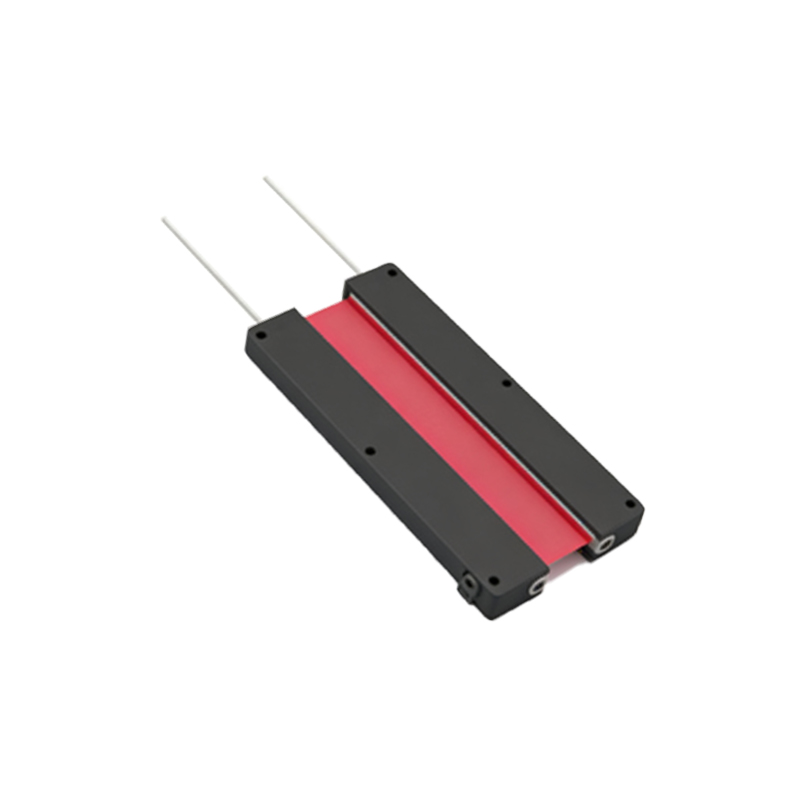
For global procurement, platforms like Digi-Key, Mouser, and RS Components are reliable sources. They list extensive inventories from leading brands, offer technical datasheets, and provide fast shipping. For bulk orders or specialized models, consider automation-specific suppliers like AutomationDirect or McMaster-Carr. These sites allow filtering by slot width, output type, and IP rating, streamlining the selection process. Always check user reviews and lead times, especially for custom configurations.
Direct Manufacturer Purchase: Pros and Cons
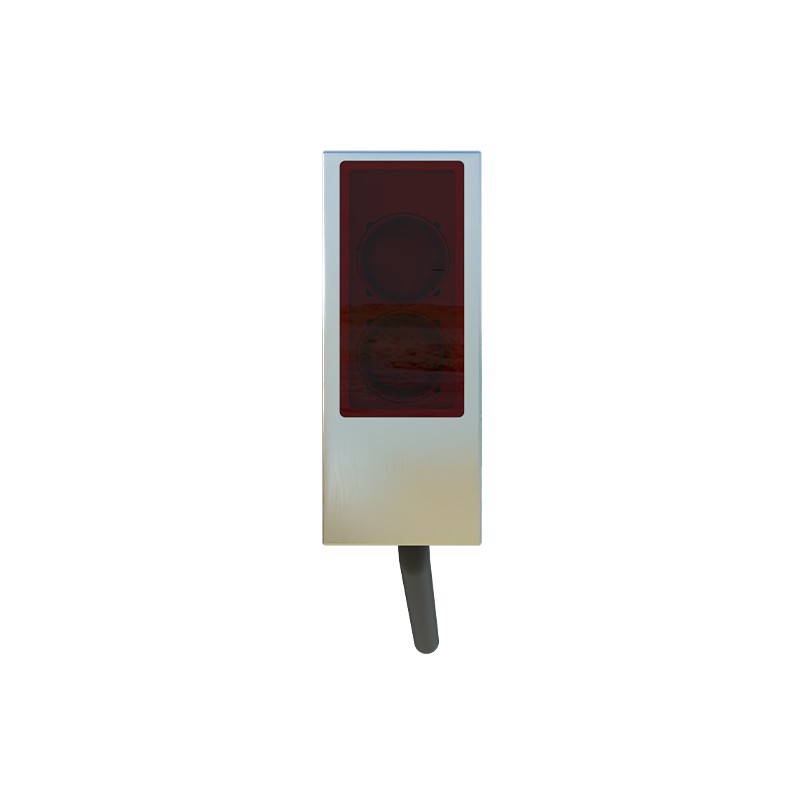
Buying directly from manufacturers like Banner Engineering or Balluff ensures warranty support and access to application engineers. This route is ideal for complex projects requiring tailored solutions. However, minimum order quantities and higher unit costs may apply. For standard sensors, distributors often offer better pricing and faster delivery. I recommend leveraging manufacturer websites for technical documentation, then comparing prices across authorized distributors.
Evaluating Local Industrial Suppliers and Automation Integrators
If you require immediate stock or on-site support, local industrial suppliers can be invaluable. Companies like Graybar or WESCO operate regionally and often carry common sensor models. Additionally, automation integrators such as ATS or JR Automation may source sensors as part of larger system installations. Build relationships with these partners for recurrent purchases, as they can negotiate volume discounts and provide emergency replacements.
Quality Assurance and Certification Checks
Regardless of where you purchase, verify that sensors meet CE, UL, or RoHS certifications. Counterfeit or substandard components can cause downtime and safety hazards. Request calibration certificates or test reports for critical applications. Reputable sellers will supply these upon request. Also, ensure the sensor packaging includes mounting brackets and documentation to avoid compatibility issues.
Final Recommendations for Engineers
For most industrial scenarios, I advise starting with authorized distributors like Digi-Key for quick prototyping, then shifting to direct manufacturer orders for long-term production. Always maintain a list of backup suppliers, as lead times can vary. Join engineering forums such as PLC Talk or Reddit’s r/PLC to get peer reviews on specific distributors. Ultimately, the best purchase source balances price, availability, and technical support.