Understanding the Risks to Photoelectric Sensors
Photoelectric sensors are critical components in industrial automation, but they face constant threats from dust, moisture, vibration, and chemical exposure. In manufacturing plants, these sensors often operate near conveyors, robotic arms, or in wet washdown zones. Without proper protection, their performance degrades, leading to false triggers or complete failure. Common vulnerabilities include lens contamination, cable damage, and electronic corrosion. For example, in a food processing line, steam and cleaning agents can quickly cloud a sensor’s optics. Therefore, engineers must prioritize protective measures to ensure long-term reliability and reduce downtime.
Selecting the Right IP Rating for Your Environment
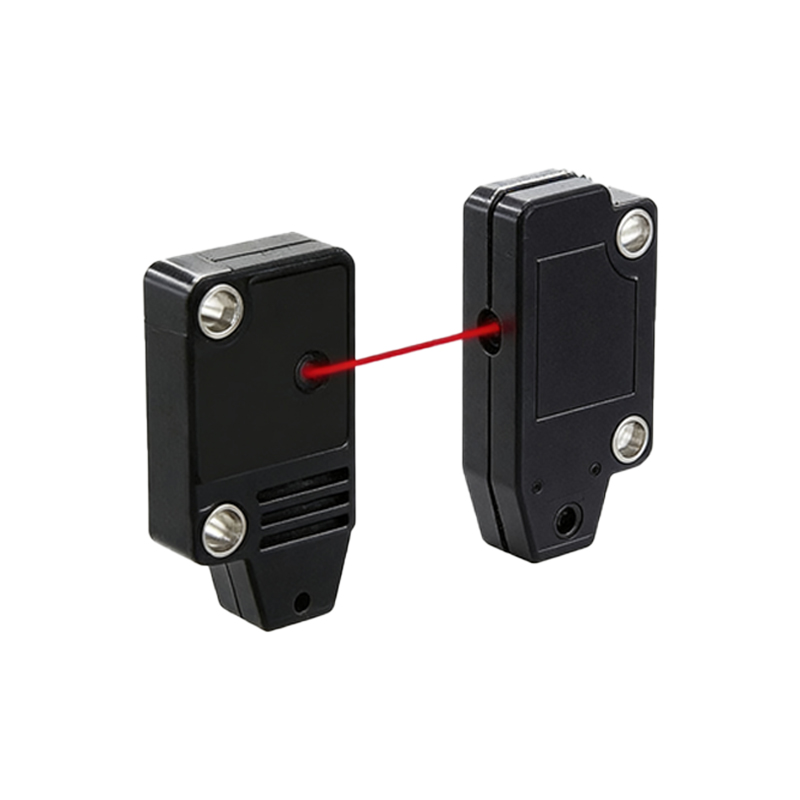
The first line of defense is choosing a sensor with an appropriate Ingress Protection (IP) rating. For dry, indoor applications, IP65 may suffice, but for wet or dusty areas, IP67 or IP69K is essential. IP69K sensors are designed to withstand high-pressure, high-temperature washdowns common in automotive and beverage industries. When replacing sensors, always check the manufacturer’s specifications. For instance, a standard IP67 sensor might fail if exposed to 1000 psi water jets, while an IP69K model would survive. Additionally, consider using sensors with sealed M12 connectors instead of pigtail cables to prevent moisture ingress at termination points.
Implementing Physical Barriers and Mounting Strategies
Physical protection is as important as electronic ratings. Use metallic or polycarbonate sensor shields to deflect debris and impact. In applications with flying shavings, like metalworking, install angled brackets to prevent chips from collecting on the lens. For sensors near welding stations, add a heat-resistant glass cover or a pressurized air curtain to blow away fumes. Mounting the sensor in a recessed position also reduces direct exposure. For example, in a packaging line, recessing the sensor behind a Lexan window can protect it from box jams while maintaining detection accuracy.
Using Air Purge Systems for Lens Cleaning
In dusty or misty environments, an air purge system is highly effective. This involves directing a continuous stream of filtered compressed air across the sensor lens, preventing particle accumulation. The air flow can be adjusted via a regulator, and it works well in sawmills or cement plants. For high-humidity areas, combine the air purge with a heater to stop condensation. Remember to use a coalescing filter to remove oil from the compressed air, as oil residue can worsen optical performance. A periodic cleaning schedule should supplement this, using a soft cloth and isopropyl alcohol.
Regular Maintenance and Monitoring Best Practices
Even with robust protections, routine checks are necessary. Implement a preventive maintenance plan that includes weekly lens inspection and monthly cable integrity checks. Use a digital multimeter to verify output signals, and watch for erratic response times. In critical zones, consider adding a sensor health monitoring system that alerts operators to drift or contamination. For example, if a sensor’s background suppression begins to fail due to gradual dirt buildup, the system can trigger a cleaning reminder. Always document any failures and the corrective actions taken, as this data helps refine future protection strategies.