Introduction to Photoelectric Sensors in Printing
In the printing industry, precision and reliability are paramount. Photoelectric sensors play a critical role in ensuring consistent print quality and efficient production. These sensors detect the presence, position, or absence of materials without physical contact, making them ideal for high-speed printing lines. As an electrical engineer specializing in industrial automation, I have observed that selecting the right sensor can significantly reduce downtime and improve yield. This article focuses on the unique requirements of printing machines and how photoelectric sensors, particularly custom models for rotary and sheet-fed presses, enhance performance.
Key Technical Specifications for Printing Applications
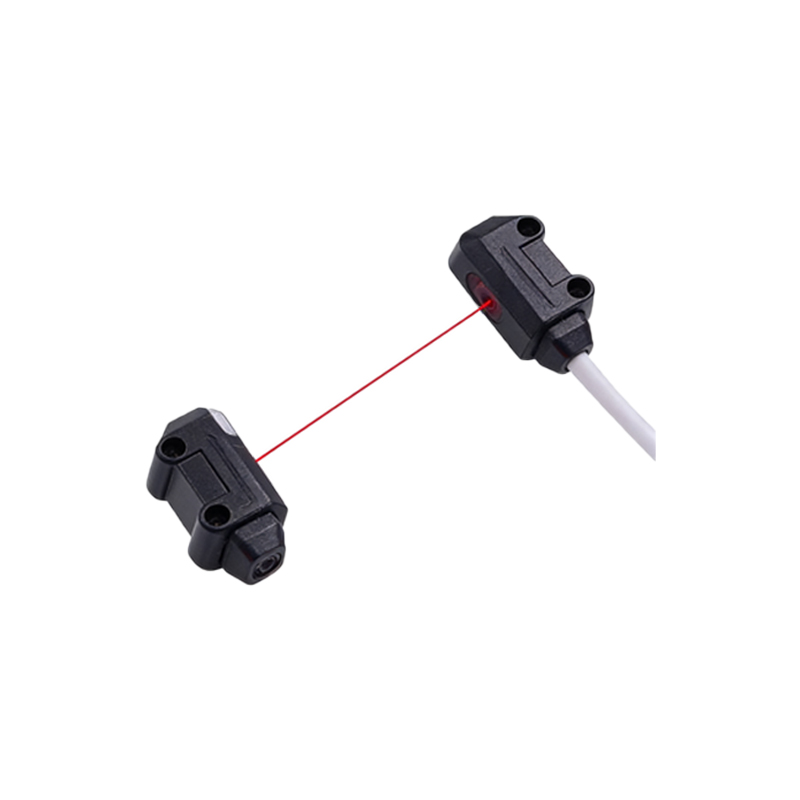
When evaluating a photoelectric sensor for a printing press, several technical parameters must be prioritized. First, the sensing range must accommodate the varying distances between the sensor and the substrate, typically from 10 mm to 2 meters, depending on the machine layout. Second, response time is critical; a sensor with a switching frequency of 1 kHz or higher is recommended for high-speed presses. Additionally, the sensor must support multiple output types, such as NPN or PNP, to integrate with existing PLC systems. For color-based applications, a background suppression sensor with a small spot size (less than 1 mm) ensures accurate detection of thin films or glossy papers.
Environmental Resistance and Durability
Printing environments are harsh due to ink mist, paper dust, and varying temperatures. Therefore, the sensor should have an IP67 or higher ingress protection rating to withstand washdowns and debris. Many manufacturers offer sensors with a reinforced housing made of stainless steel or impact-resistant polycarbonate. Moreover, the sensor must operate reliably in temperatures from -10°C to 60°C. In my field experience, sensors with built-in LED indicators for alignment and diagnostic feedback significantly simplify maintenance, as they allow operators to quickly identify malfunctions without stopping the production line.
Integration with Machine Control Systems
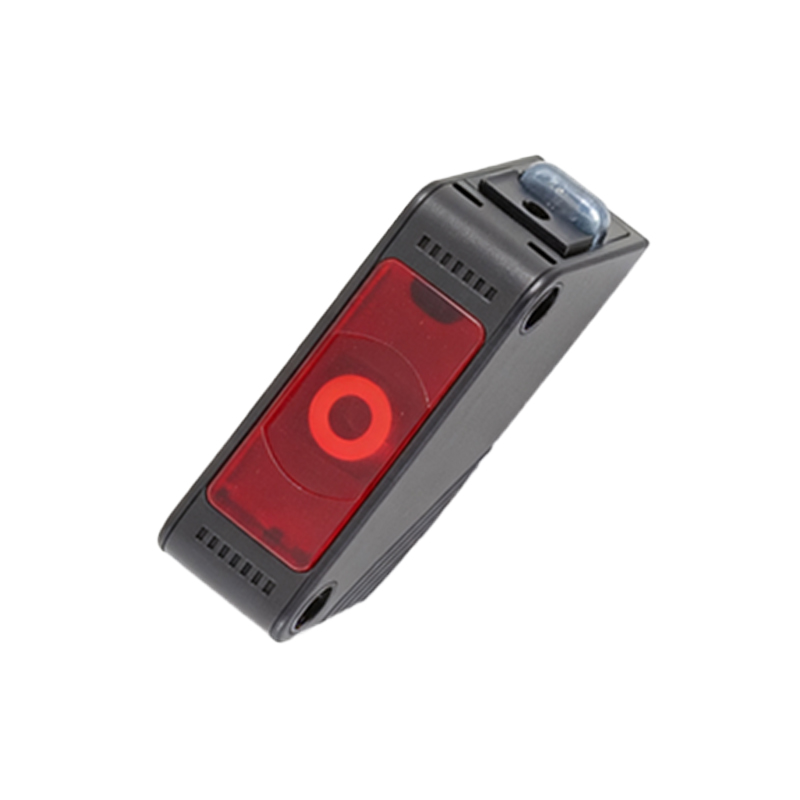
Modern printing presses often utilize complex control architectures, including EtherCAT or Profibus networks. A dedicated photoelectric sensor should feature easy connectivity to these systems via standardized interfaces. For instance, sensors with IO-Link communication enable real-time parameter adjustments, such as sensitivity and hysteresis, without physical access. This is particularly useful for multi-color printing where material thickness changes frequently. Additionally, the sensor's output should be compatible with both discrete inputs and analog signals to support advanced functions like web break detection or edge alignment.
Customization for Specific Printing Operations
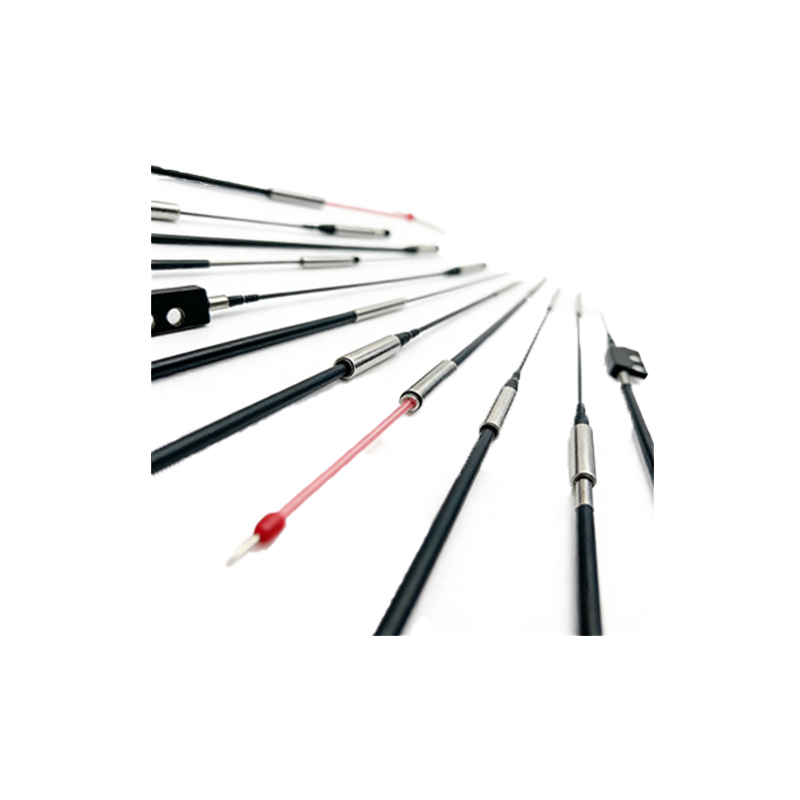
Different printing processes, such as flexographic, gravure, or offset, impose unique demands. For flexographic presses, sensors must handle high vibration levels, so a model with a durable mounting bracket and anti-vibration circuitry is essential. In offset printing, sensors need to detect thin paper or plastic films with high transparency. A diffuse-reflective sensor with a background suppression function is often the best choice here. For gravure printing, where inks are solvent-based, the sensor housing should be chemically resistant to solvents. Many suppliers offer custom configurations, such as a right-angle lens or a fiber optic extension, to fit tight spaces in the printing unit.
Maintenance and Cost-Effectiveness
Long-term reliability reduces total cost of ownership. Sensors with self-diagnostics and predictive maintenance features, such as signal degradation warnings, help prevent unexpected failures. In practice, a well-chosen photoelectric sensor can operate for over 100,000 hours without maintenance. When considering cost, it is important to balance initial price with the sensor’s lifespan and compatibility. I recommend sourcing from reputable brands that provide detailed datasheets and application support, as this ensures a return on investment through reduced scrap rates and increased uptime.
Conclusion
Selecting the correct photoelectric sensor for a printing machine requires careful analysis of the application’s environmental, electrical, and mechanical challenges. By focusing on response speed, environmental resistance, and network integration, engineers can optimize print quality and production efficiency. Customized solutions, such as sensors for specific press types, further enhance performance. As the printing industry evolves toward higher speeds and more sustainable practices, the role of reliable sensing technology becomes even more critical. Engineers should collaborate closely with sensor manufacturers to tailor solutions for their specific printing line.