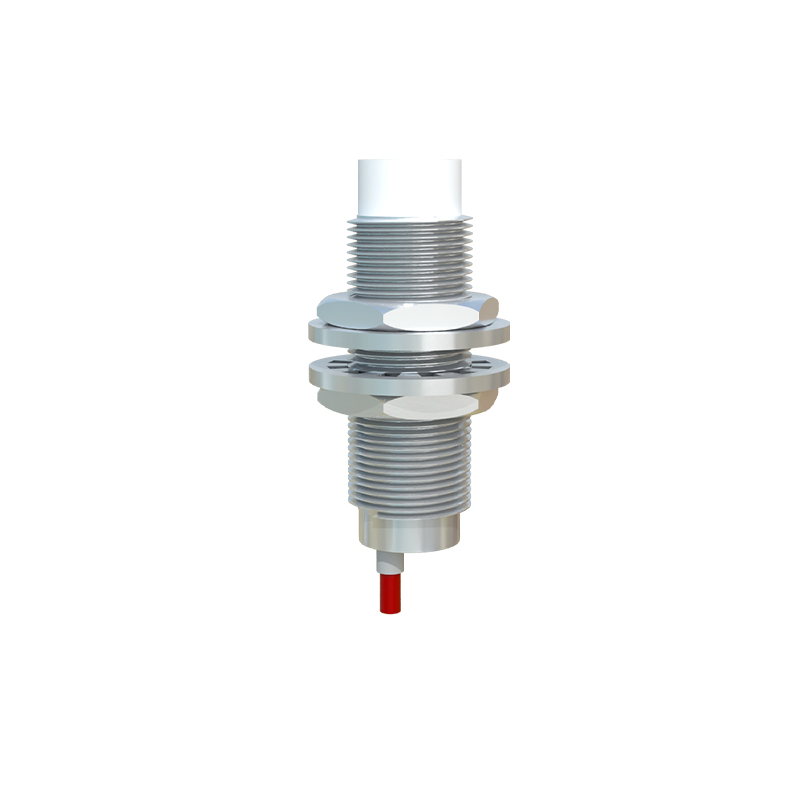
Digital proximity sensors are electronic devices designed to detect the presence or absence of objects within a specific range without physical contact. These sensors operate by emitting an electromagnetic field or a beam of electromagnetic radiation, such as infrared light, and then monitoring changes in the field or return signal. When an object enters the sensor's detection zone, it alters the field or reflects the beam back to the sensor, triggering a digital output signal. This signal typically switches between two states—often high (on) or low (off)—making it easy to interface with digital systems like microcontrollers, PLCs, or computers.
One of the key advantages of digital proximity sensors is their reliability and durability. Since there is no physical contact between the sensor and the target object, wear and tear are minimized, leading to longer operational lifespans. Additionally, these sensors are less affected by environmental factors like dust, moisture, or oil, especially when housed in rugged enclosures. Common types include inductive sensors for metal detection, capacitive sensors for non-metallic materials, and photoelectric sensors using light beams. Each type has distinct characteristics suited to different applications. For instance, inductive sensors excel in industrial automation for detecting metal parts on conveyor belts, while capacitive sensors are ideal for liquid level sensing or detecting plastics in packaging lines.
The working principle of a digital proximity sensor involves oscillation circuits, signal conditioning, and output switching. In an inductive sensor, an oscillator generates a high-frequency electromagnetic field around the sensing face. When a metallic object approaches, eddy currents are induced in the metal, damping the oscillation and reducing the amplitude. This change is detected by a threshold circuit, which then activates a solid-state switch to provide a digital output. Capacitive sensors function similarly but respond to changes in capacitance caused by any material affecting the electrostatic field. Photoelectric sensors, on the other hand, rely on a light emitter and receiver; interruption or reflection of the light beam indicates object presence.
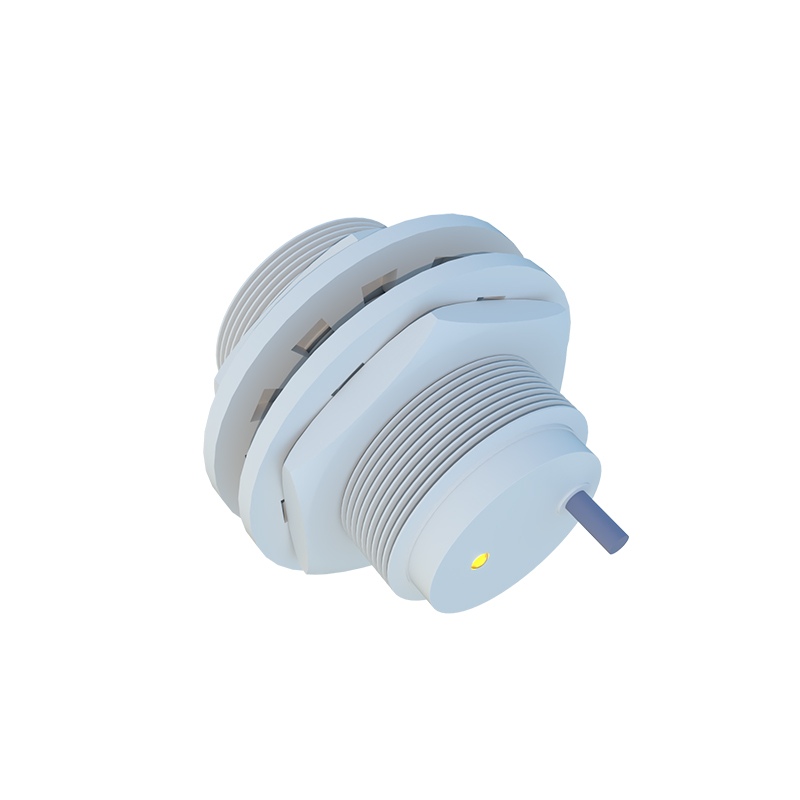
Applications of digital proximity sensors span numerous industries. In manufacturing, they are used for position sensing, object counting, and automated assembly to enhance efficiency and safety. Automotive systems incorporate them for parking assistance, collision avoidance, and seat occupancy detection. Consumer electronics, such as smartphones and tablets, use miniature proximity sensors to disable touchscreens during calls or adjust display brightness. In robotics, these sensors enable precise navigation and obstacle avoidance. Even everyday appliances like automatic faucets and elevator doors rely on proximity sensing for hands-free operation.
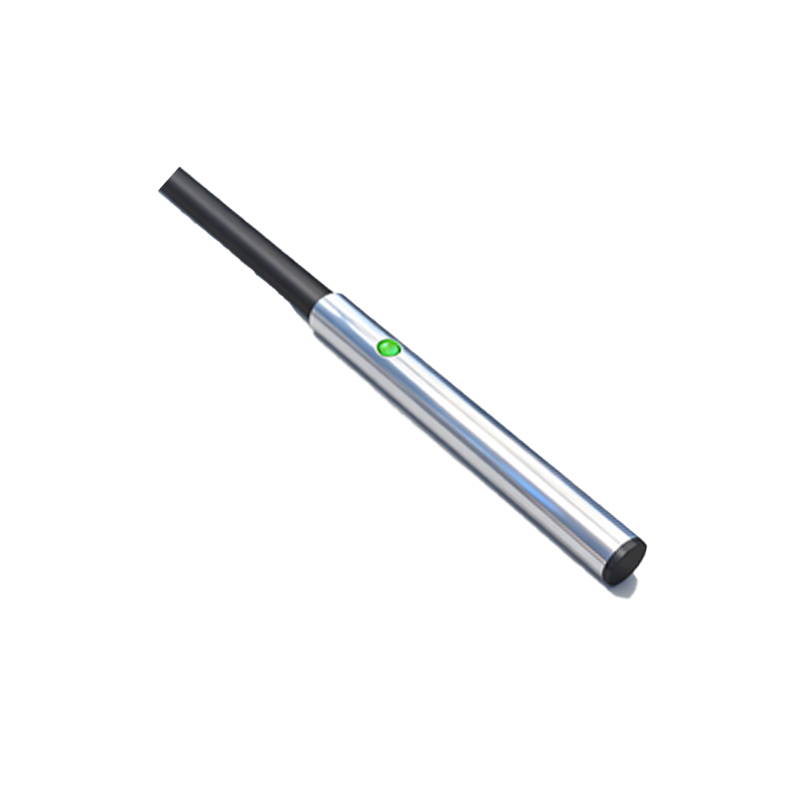
When selecting a digital proximity sensor, factors like detection range, response time, and environmental conditions must be considered. For example, sensors with longer ranges are suitable for large-scale machinery, while fast-response models are critical in high-speed production lines. Proper installation and calibration are essential to avoid false triggers from background interference. Regular maintenance, though minimal, involves cleaning the sensing surface and checking electrical connections.
In summary, digital proximity sensors offer a non-contact, efficient solution for detection tasks across various fields. Their digital output simplifies integration with modern control systems, contributing to smarter automation and improved user experiences. As technology advances, these sensors continue to evolve with features like enhanced sensitivity, smaller sizes, and IoT connectivity, paving the way for innovative applications in smart cities, healthcare, and beyond.