In the realm of industrial automation, machine safety, and precision control, proximity sensors are indispensable components. They detect the presence or absence of an object without physical contact, enabling countless automated processes. However, the reliability and accuracy of any proximity sensor are fundamentally dependent on one often-overlooked element: its mount or bracket. A proximity sensor mount is far more than a simple piece of metal; it is a critical interface that ensures optimal sensor performance, longevity, and system integrity.
The primary function of a proximity sensor mount is to provide secure, stable, and precise positioning. Sensors must be installed at a specific distance from the target object, known as the sensing distance or range. Even minor deviations from this optimal position can lead to false readings, missed detections, or reduced sensing range. A well-designed mount eliminates vibration, prevents accidental movement due to machine operation or environmental factors, and maintains the exact orientation required—whether that’s perpendicular, parallel, or at a specific angle to the target. For inductive sensors detecting metals, or capacitive sensors detecting various materials, consistent positioning is non-negotiable for repeatable results.
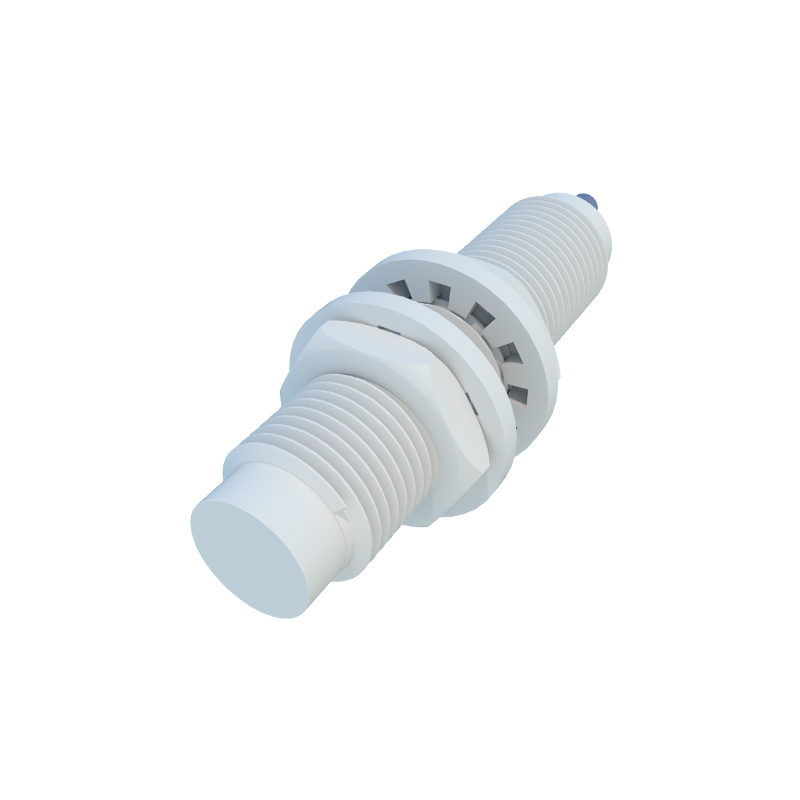
Selecting the appropriate mount requires careful consideration of several key factors. First is the sensor type and form factor. Mounts are typically designed for specific sensor body styles—such as cylindrical (e.g., M8, M12, M18, M30 threaded barrels), rectangular, or limit-switch style housings. Using an incompatible bracket can result in poor grip or misalignment. Material and construction are equally vital. Most industrial mounts are crafted from durable materials like stainless steel, anodized aluminum, or engineered plastics. The choice depends on the environment: stainless steel offers superior corrosion resistance for washdown or chemical exposure, while aluminum provides a strong, lightweight option for general use.
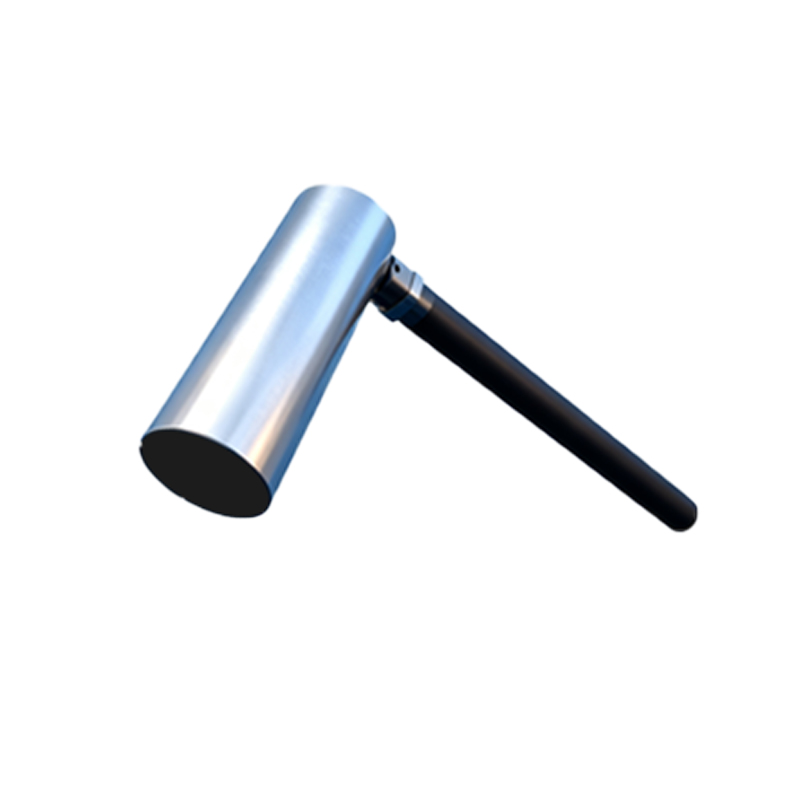
Adjustability is a crucial feature for many applications. Fixed mounts are simple and robust, but adjustable mounts—featuring slotted holes, pivot arms, or sliding mechanisms—allow for fine-tuning during installation and maintenance. This flexibility is invaluable for compensating for mechanical tolerances or adapting to process changes. The method of installation must also be planned. Mounts can be designed for direct bolt-on mounting to a machine frame, magnetic bases for temporary or experimental setups, or modular systems that integrate into T-slot aluminum framing for easy reconfiguration.
Beyond basic holding, advanced mounts solve specific application challenges. In high-vibration environments, such as near heavy presses or on mobile equipment, anti-vibration designs with locking features or dampening materials are essential to prevent sensor loosening. For applications requiring sensing in tight spaces, offset or swivel mounts can position the sensor head away from the mounting point, navigating around obstructions. In automated welding cells or areas with high electromagnetic interference, non-metallic composite mounts can help shield the sensor from stray fields that might affect performance.
The consequences of neglecting proper mounting are significant. An improperly mounted sensor can lead to unscheduled downtime, costly production errors, and even safety hazards. For instance, a sensor on a robotic safety curtain that fails due to a loose bracket could result in a serious incident. Regular inspection of both the sensor and its mount for signs of wear, corrosion, or loosening should be part of routine preventive maintenance.
In summary, while the proximity sensor itself captures the spotlight, the mount is the unsung hero that holds the system together. Investing time in selecting the correct proximity sensor mount—matching it to the sensor, environment, and mechanical requirements—pays dividends in system reliability, accuracy, and overall operational efficiency. It transforms a sensitive electronic component into a robust, industrial-grade solution ready to perform consistently in demanding real-world conditions.