In the realm of industrial automation and electrical systems, the ability to detect the presence, strength, and proximity of an electrical current without physical contact is paramount. This is the core function of a current proximity sensor, a sophisticated device that ensures safety, enhances efficiency, and enables precise control in countless applications. Unlike standard proximity sensors that detect physical objects, current proximity sensors are specifically designed to respond to the magnetic field generated by an alternating (AC) or direct (DC) current flowing through a conductor.
The fundamental operating principle hinges on electromagnetism. When an electric current passes through a wire, it generates a concentric magnetic field around it. A current proximity sensor utilizes a sensing element, often a coil or a magneto-resistive component, to detect changes in this magnetic field. For AC currents, the sensor typically employs an inductive coil. The alternating magnetic field induces a voltage in the coil, which is then processed by the sensor's electronics to provide an output signal, often a switch signal or an analog value proportional to the current's magnitude. For DC current detection, which produces a static magnetic field, more advanced technologies like Hall-effect sensors are used. These sensors contain a semiconductor element that generates a voltage difference when exposed to a magnetic field, allowing for the detection of both the presence and the polarity of the DC current.
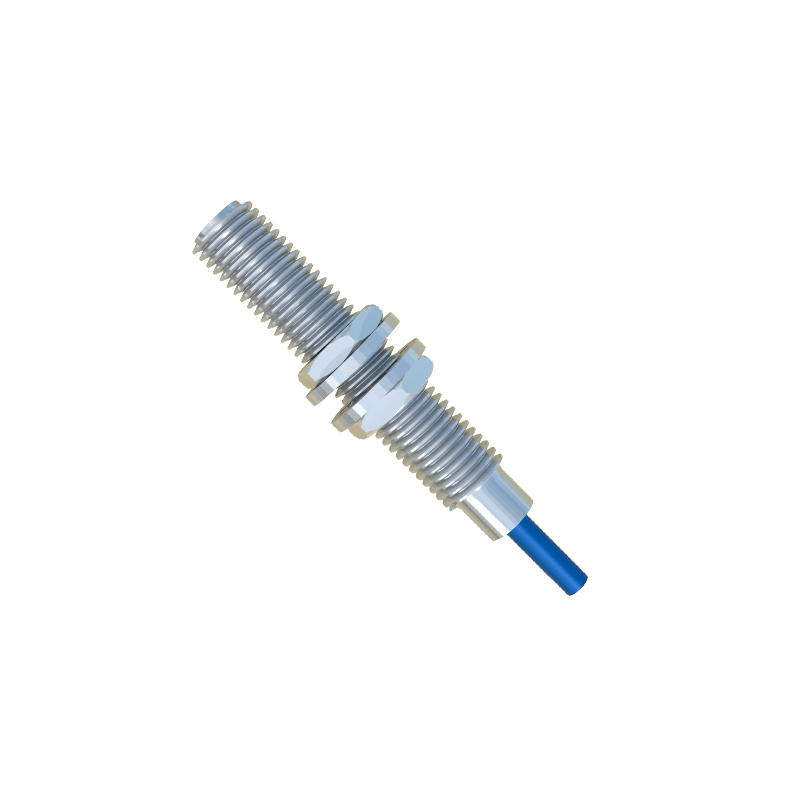
Several key types of current proximity sensors dominate the market, each with its strengths. Inductive current sensors are cost-effective and robust for AC applications, commonly used for motor current monitoring or detecting the operation of solenoids. Hall-effect sensors are versatile for both AC and DC detection, offering good accuracy and isolation from the measured circuit. More recently, current transformers (CTs) and Rogowski coils are employed for high-accuracy measurement, though they are often categorized more as measuring instruments than simple proximity switches. Solid-state designs have become increasingly popular, providing long life, high switching speeds, and immunity to environmental contaminants like dust and moisture.
The advantages of using these sensors are substantial. They provide complete electrical isolation between the detection circuit and the monitored current-carrying conductor, a critical safety feature. This non-contact nature also means there is no wear and tear, leading to exceptional reliability and longevity. Their fast response time allows for real-time monitoring and immediate system feedback or shutdown in fault conditions.
Industrial applications are vast and varied. In manufacturing, they are indispensable for condition monitoring. A sensor can detect if a motor is drawing current, confirming it is running, or identify an overload condition before failure occurs. They are used to verify the activation of heating elements, welding equipment, or lighting circuits. Within control panels, they serve as essential diagnostic tools to confirm circuit status without the need for manual meter checks. In safety systems, they can ensure that a high-current door interlock is properly engaged or that a machine tool is de-energized before maintenance begins. The automotive industry uses them in battery management systems for electric vehicles to monitor current flow. Furthermore, in building automation, they help manage energy consumption by monitoring loads on circuits.
Selecting the right current proximity sensor requires careful consideration of several parameters. The type of current (AC or DC) is the primary determinant. The operating current range, both the minimum detectable level and the maximum withstandable level, must match the application. The output type is crucial—whether a simple two-wire AC/DC switch (PNP/NPN), an analog voltage (0-10V), or a current loop (4-20mA) for proportional control. Other factors include the installation requirements (split-core designs allow for easy retrofitting without disconnecting wires), response time, operating temperature range, and housing material for harsh environments.
Installation and wiring must follow manufacturer guidelines and electrical codes. Proper positioning relative to the conductor is essential for accurate detection, as the magnetic field strength diminishes with distance. Sensors should be mounted securely to avoid vibration-induced errors. Electrical noise from nearby high-power equipment can sometimes interfere with sensitive sensors, so proper shielding and filtering in the design are important.
In conclusion, current proximity sensors are a vital yet often unseen component in modern industrial and electrical systems. By providing reliable, non-contact detection of electrical current, they form a critical link between power systems and control logic. Their role in predictive maintenance, safety interlocking, and process automation continues to grow, driven by the demand for smarter, safer, and more efficient operations. As technology advances, we can expect these sensors to become even more integrated, intelligent, and capable of providing richer diagnostic data for the industrial Internet of Things (IIoT).