In the rapidly evolving landscape of electronics, the relentless drive towards miniaturization has made component size a critical design factor. Among these components, proximity sensors have undergone a remarkable transformation, with their shrinking dimensions unlocking new possibilities across industries. The advent of small proximity sensor size is not merely a trend but a fundamental enabler for the sleek, powerful, and intuitive devices we use today.
The core technology behind modern miniature proximity sensors often involves infrared (IR) LEDs and photodetectors, or increasingly, time-of-flight (ToF) sensors, all packaged into incredibly small footprints. Advanced manufacturing techniques, such as chip-scale packaging and wafer-level optics, allow these sensors to be integrated directly onto circuit boards with dimensions often measuring just a few millimeters on a side. This drastic reduction in size is achieved without sacrificing key performance metrics. Modern tiny sensors can still accurately detect the presence or absence of an object within ranges suitable for consumer and industrial applications, all while consuming minimal power—a crucial consideration for battery-operated gadgets.
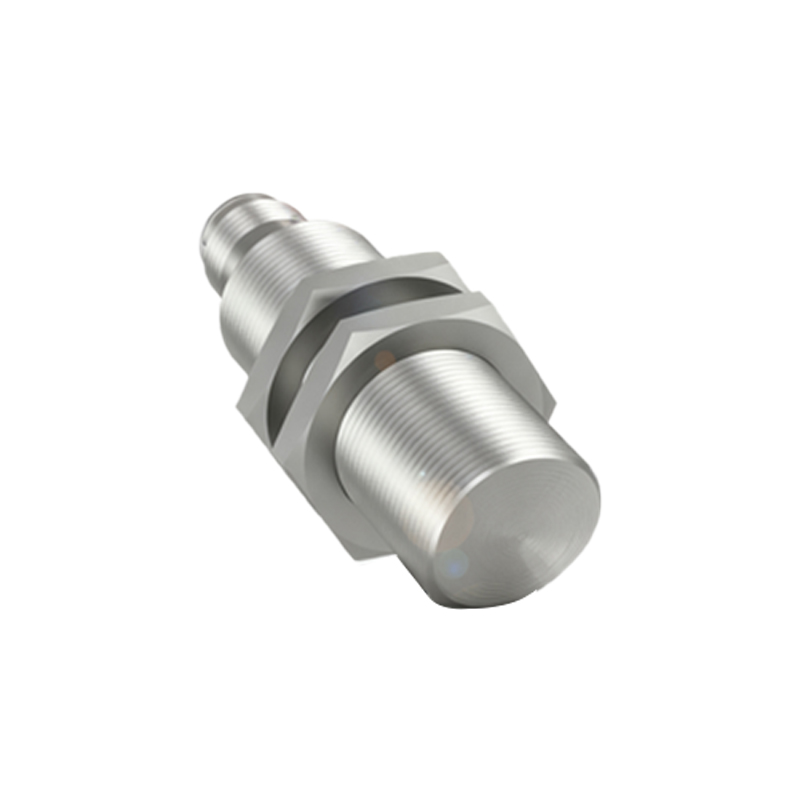
The practical applications are vast and transformative. In the smartphone industry, the tiny proximity sensor nestled near the earpiece is responsible for the seamless experience of turning off the display during a call, preventing accidental touches. As bezels shrink to near invisibility in modern phones, the sensor itself must become smaller and more precisely calibrated. Similarly, in true wireless earbuds, minuscule proximity sensors enable automatic play/pause functionality when an earbud is removed from the ear, enhancing user convenience through intelligent, hands-free interaction.
Beyond consumer electronics, the impact is profound in robotics and automation. Compact robotic arms and autonomous mobile robots (AMRs) rely on arrays of small proximity sensors for obstacle detection and navigation in tight spaces where larger sensors would be impractical. Their small size allows for more sensors to be distributed around the robot's body, creating a detailed, close-range perception field that is essential for safe operation alongside humans in collaborative environments.
The automotive sector is another major beneficiary. As vehicle interiors become more digital and streamlined, small proximity sensors are integrated into overhead consoles, center stacks, and door panels to enable touchless gesture control for lights, infotainment systems, and sunroofs. This not only adds a layer of futuristic functionality but also reduces the need for physical buttons, contributing to cleaner interior designs. Under the hood, these sensors monitor positions and movements in compact assemblies.
Furthermore, the miniaturization of proximity sensors is pivotal for the Internet of Things (IoT). Countless IoT devices, from smart home sensors to wearable health monitors, demand a form factor that is unobtrusive and aesthetically pleasing. A small, low-power proximity sensor can be embedded into a smart thermostat to detect user approach for waking the display, or into a wearable device to manage display states, thereby conserving battery life. This scalability is essential for deploying sensor networks in smart buildings and cities.
However, designing with such small components presents its own set of challenges. Engineers must carefully manage trade-offs between size, detection range, sensitivity, and immunity to environmental interference like ambient light. Thermal management and precise optical alignment become more critical at smaller scales. Overcoming these hurdles requires sophisticated firmware algorithms for signal processing and calibration, ensuring reliability despite the miniature form factor.
Looking ahead, the trend towards even smaller and more integrated sensing solutions continues. Technologies like micro-electro-mechanical systems (MEMS) and advanced optical integration promise to further reduce the sensor footprint, potentially embedding sensing capabilities directly into device casings or displays. As 5G and edge computing advance, these tiny sensors will form an even more pervasive and intelligent network at the edge, collecting contextual data seamlessly.
In conclusion, the small size of modern proximity sensors is a cornerstone of contemporary electronic design. It empowers innovation by allowing intelligence and interactivity to be baked into products where space is at a premium. From the phone in your pocket to the robot on the factory floor, these tiny components play an outsized role in making technology more adaptive, efficient, and integrated into our daily lives and work. Their continued evolution will be key to unlocking the next generation of compact, smart devices.