In the realm of automation and smart technology, proximity sensors are fundamental components that often operate unseen, yet their impact is profound. But what exactly is a proximity sensor? At its core, a proximity sensor is a device that detects the presence or absence of an object within a specific range without any physical contact. It emits an electromagnetic field, beam, or radiation and looks for changes in the field or return signal to determine if an object is nearby. The key distinction from other sensors is this non-contact operation, which makes them ideal for applications where touch is impractical, could cause damage, or where hygiene is paramount.
The principle of operation varies based on the technology employed. The most common types include inductive, capacitive, ultrasonic, and photoelectric sensors. Inductive proximity sensors are workhorses in industrial settings. They generate an oscillating electromagnetic field and detect the eddy current losses caused when a metallic object enters this field. They are robust, reliable, and excellent for detecting metals, making them perfect for counting metal parts on a conveyor belt or determining the position of a machine component.
Capacitive proximity sensors, on the other hand, can detect both metallic and non-metallic materials like plastic, wood, glass, and liquids. They function by measuring changes in capacitance. The sensor and the object act as two plates of a capacitor. As an object approaches, it alters the dielectric constant and thus the capacitance, triggering detection. This makes them invaluable in level sensing for tanks containing liquids or granular materials, and in touch-sensitive interfaces.
Ultrasonic sensors use sound waves beyond human hearing. They emit high-frequency pulses and calculate the time it takes for the echo to return. By measuring this "time-of-flight," they can determine the distance to an object. These sensors are effective over longer ranges and can detect objects regardless of color, transparency, or material, though their accuracy can be affected by the object's texture and environmental factors like temperature and air turbulence. They are widely used in parking assist systems, robotic navigation, and bulk level measurement.
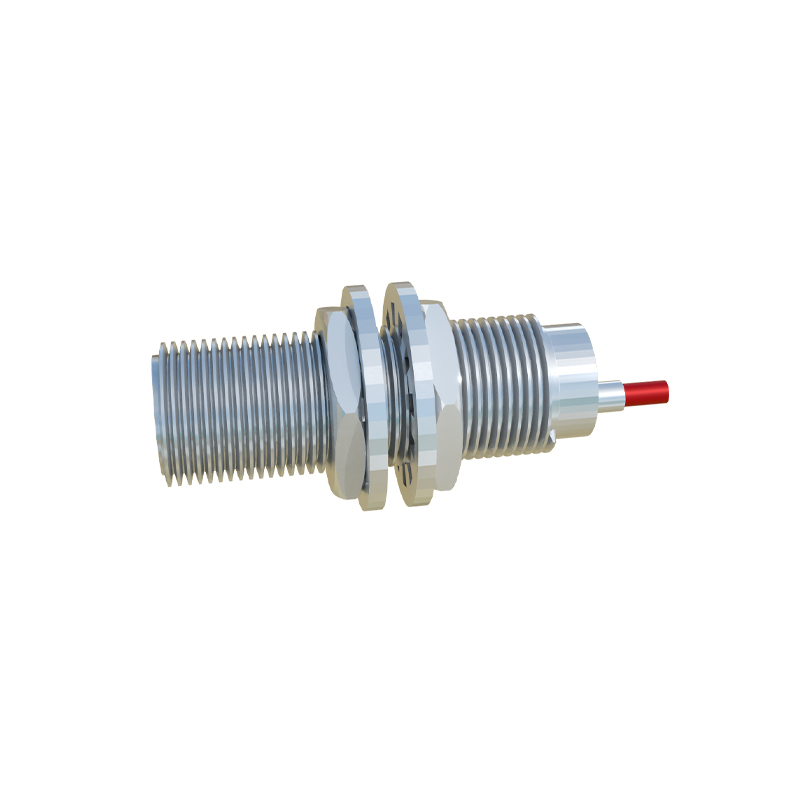
Photoelectric sensors utilize light, typically infrared or laser. They consist of an emitter and a receiver. In one common configuration, the beam from the emitter is reflected off the target object back to the receiver. Detection occurs when this beam is interrupted or reflected. These sensors offer very long sensing ranges and high precision, suitable for detecting small objects, checking for label presence on packaging, or ensuring safety in automated doors.
The applications of proximity sensors are vast and span numerous industries. In consumer electronics, they are the reason your smartphone screen turns off when held to your ear during a call, saving battery life. In automotive manufacturing, they ensure robotic arms position components with millimeter accuracy. Within the food and beverage industry, capacitive sensors monitor fill levels without contaminating the product. In the realm of security, they form the basis of many intrusion detection systems. Furthermore, they are critical in the development of the Internet of Things (IoT), enabling smart appliances and environments that respond to human presence.
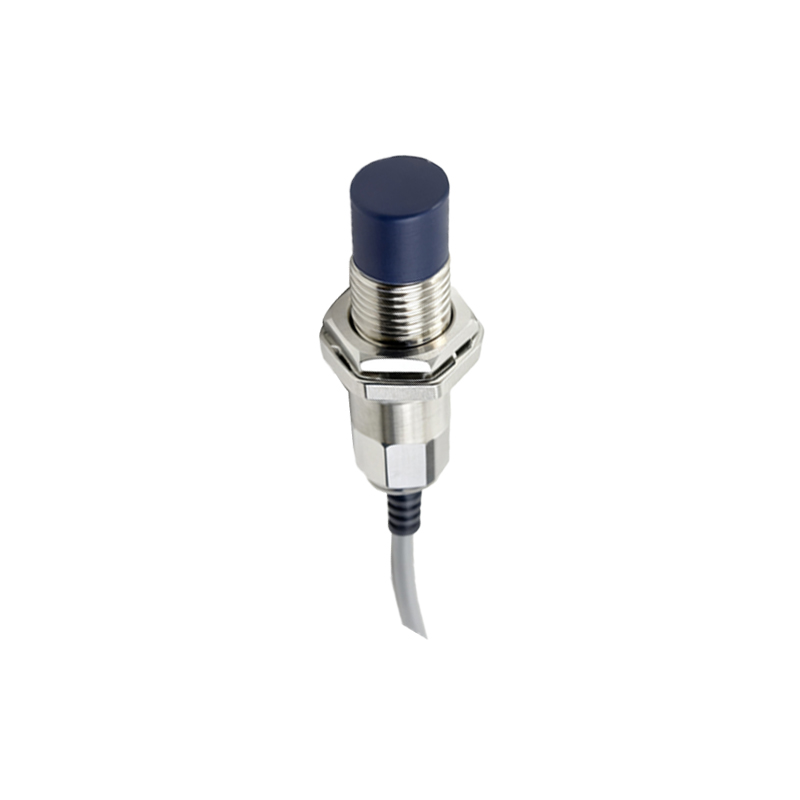
Choosing the right proximity sensor depends on several factors: the material of the target object, the required sensing distance, environmental conditions (like dust, moisture, or temperature extremes), the required response speed, and installation constraints. Understanding the specific need is crucial for optimal performance and reliability.
In summary, a proximity sensor is a versatile, non-contact detection device that forms a silent backbone for modern automation, safety, and convenience. By converting the simple fact of an object's presence into an electrical signal, it empowers machines to perceive their surroundings, enabling smarter, safer, and more efficient operations across virtually every sector of technology and industry. Their continued evolution promises even greater integration into our daily lives and industrial processes.