In the world of industrial automation and machine control, the ability to detect the presence or absence of an object without physical contact is fundamental. This is the core function of a position sensor proximity switch, a critical component that bridges the gap between the physical movement of machinery and the digital control systems that govern them. Unlike mechanical limit switches that require direct contact, proximity switches operate on the principle of sensing a change in a local electromagnetic field or beam, offering superior reliability, speed, and longevity in harsh environments.
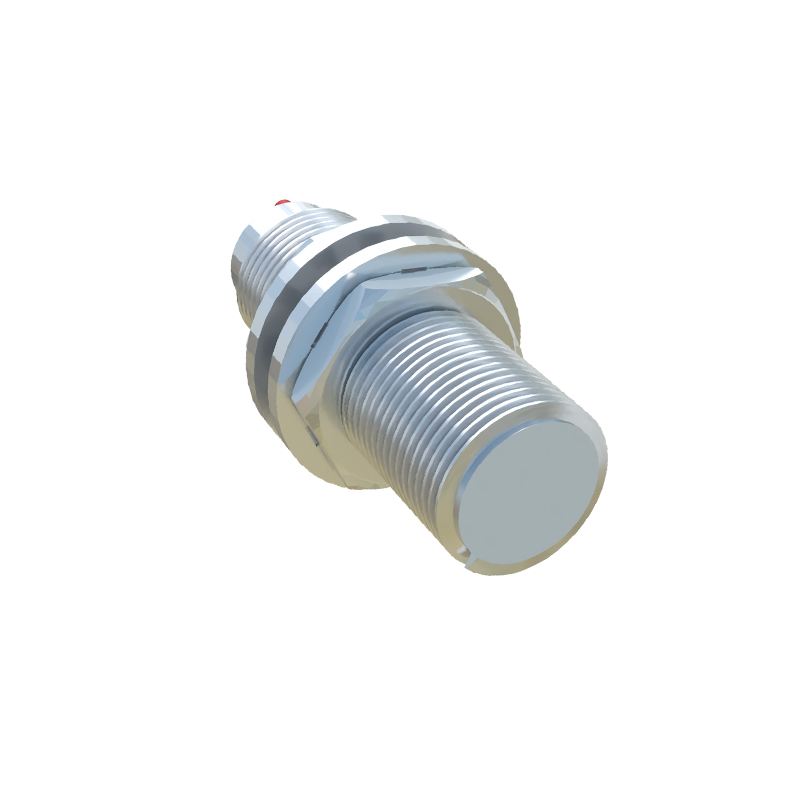
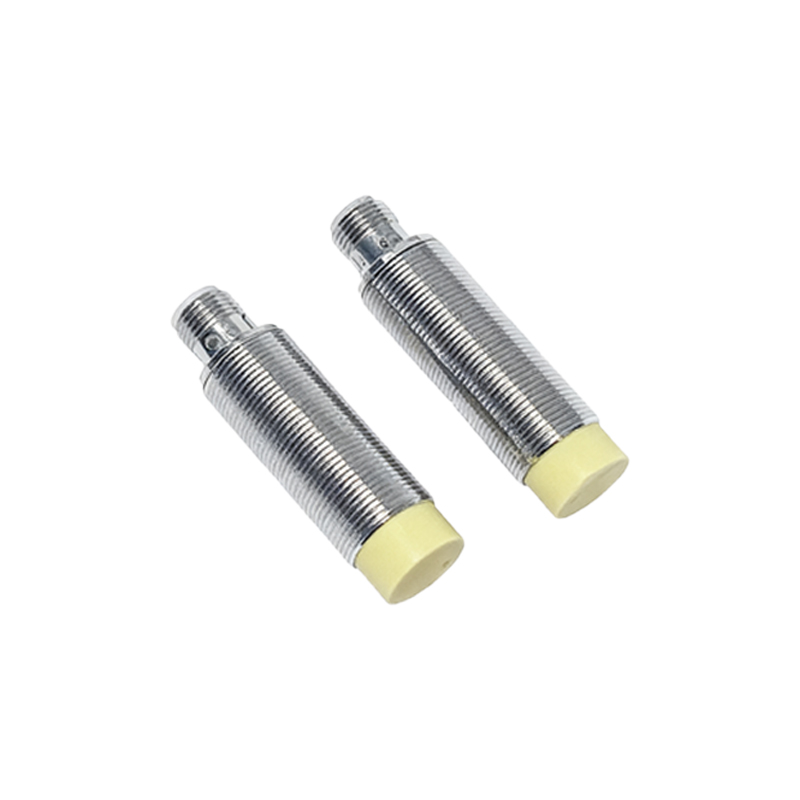
The operational principle varies by technology. Inductive proximity switches are the most common type for detecting metallic objects. They generate an oscillating electromagnetic field from a coil in the sensor face. When a ferrous or non-ferrous metal target enters this field, it induces eddy currents, causing a change in oscillation amplitude. This change is detected by the sensor's circuitry, which triggers a solid-state output signal. These sensors are exceptionally robust, resistant to dirt, oil, and coolant, making them ideal for machine tools, robotic arms, and conveyor systems.
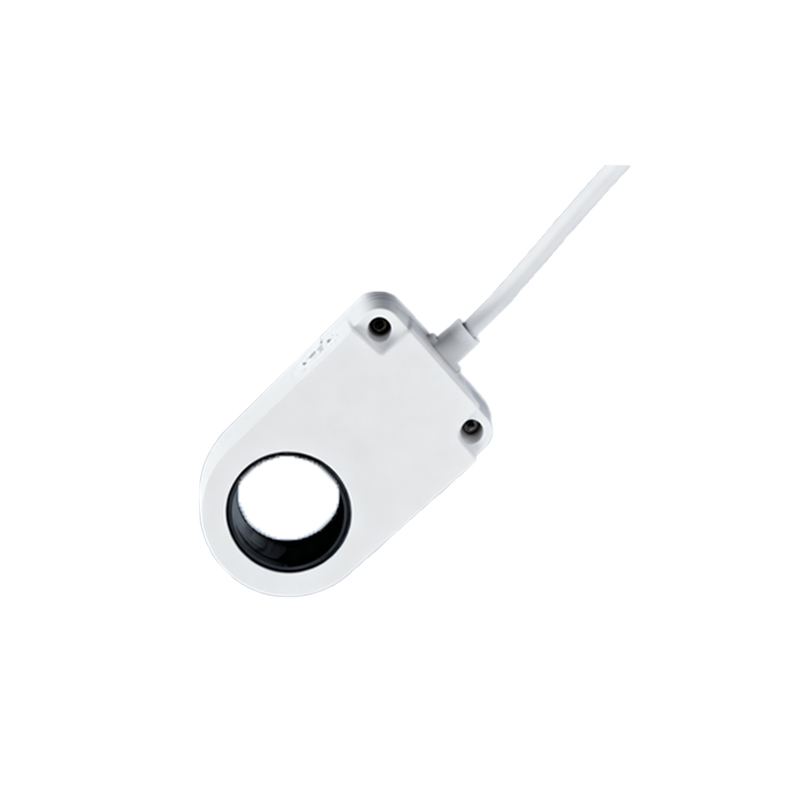
For non-metallic objects, such as glass, plastic, wood, or liquids, capacitive proximity switches are employed. They function similarly to inductive sensors but generate an electrostatic field. Any object with a dielectric constant different from air (which is nearly all materials) will alter the capacitance of the sensor's field, triggering detection. This makes them versatile for level detection in tanks, presence sensing of packaging materials, and even detecting granular substances.
Magnetic proximity switches, often called reed switches or sensors, detect the presence of a permanent magnet. They contain two ferromagnetic reeds sealed in a glass tube. When a magnet approaches, the reeds magnetize and attract each other, closing the electrical contact. These are frequently used in safety applications like door position sensing, cylinder position feedback, and low-speed rotational sensing due to their simplicity and low power consumption.
Photoelectric sensors, while sometimes categorized separately, are a vital form of non-contact position sensing. They use a light emitter (LED or laser) and a receiver. An object is detected when it interrupts (through-beam mode) or reflects (retro-reflective or diffuse mode) the light beam. They offer the longest sensing ranges and can detect objects of almost any material, color, or finish, serving key roles in packaging, material handling, and assembly line counting.
Ultrasonic proximity sensors measure the time it takes for a high-frequency sound pulse to reflect off a target and return. They are excellent for detecting objects regardless of color, transparency, or material, and are particularly effective for liquid level control, distance measurement, and detecting uneven or textured surfaces where photoelectrics might struggle.
Selecting the right position sensor proximity switch requires careful consideration of several factors. The target material is paramount—metal dictates inductive, while non-metals may require capacitive or photoelectric. The required sensing distance, or range, varies significantly between technologies; inductive sensors typically have shorter ranges than photoelectric or ultrasonic ones. Environmental conditions like temperature extremes, presence of washdown chemicals, dust, or vibration will influence the housing material (often stainless steel or nickel-plated brass) and ingress protection (IP) rating. Finally, the electrical output type (e.g., NPN, PNP, NO, NC) must be compatible with the programmable logic controller (PLC) or other control device.
Installation and alignment are crucial for reliable operation. Sensors must be mounted securely to prevent vibration-induced false triggers. For inductive and capacitive sensors, ensuring the correct "flush-mount" or "non-flush-mount" installation as per datasheet specifications is necessary to achieve the stated sensing range. Regular maintenance, though minimal, involves keeping the sensing face clean from debris buildup that could attenuate the field or beam.
In conclusion, the position sensor proximity switch is an indispensable workhorse of modern industry. By providing fast, wear-free, and reliable object detection, it enables precise control, enhances safety through interlocking, and facilitates complex automated sequences. From the hum of an automotive assembly line to the precise filling of food containers, these silent sentinels play a pivotal role in ensuring efficiency, productivity, and quality in countless applications across the manufacturing landscape.