Proximity switch sensors, often referred to as proximity sensors or inductive proximity sensors, are non-contact electronic devices designed to detect the presence or absence of metallic objects within their sensing range. These sensors operate on the principle of electromagnetic induction, generating an oscillating electromagnetic field from a coil located at the active face of the sensor. When a metallic object enters this field, eddy currents are induced on the object's surface, causing a change in the oscillation amplitude or frequency. This change is detected by the sensor's internal circuitry, which subsequently triggers a solid-state output signal, typically to switch a load on or off.
The core technology behind proximity sensors is their ability to function without physical contact with the target object. This characteristic eliminates mechanical wear and tear, significantly enhancing operational lifespan and reliability compared to mechanical limit switches. Common types include inductive sensors (for ferrous and non-ferrous metals), capacitive sensors (for both metallic and non-metallic materials like liquids or plastics), and ultrasonic sensors (using sound waves for detection). Among these, inductive proximity switches are the most prevalent in industrial automation due to their robustness, fast response times, and immunity to environmental factors like dust, oil, or moisture when properly housed.
A key specification is the sensing distance, also known as the nominal range. This distance, usually specified in millimeters, indicates the standard operating range under defined conditions. It is crucial to note that factors such as target material, size, shape, and installation conditions can affect the actual sensing performance. For instance, steel typically provides the maximum sensing distance, while metals like aluminum or copper may reduce it. Manufacturers often provide correction factors for different materials.
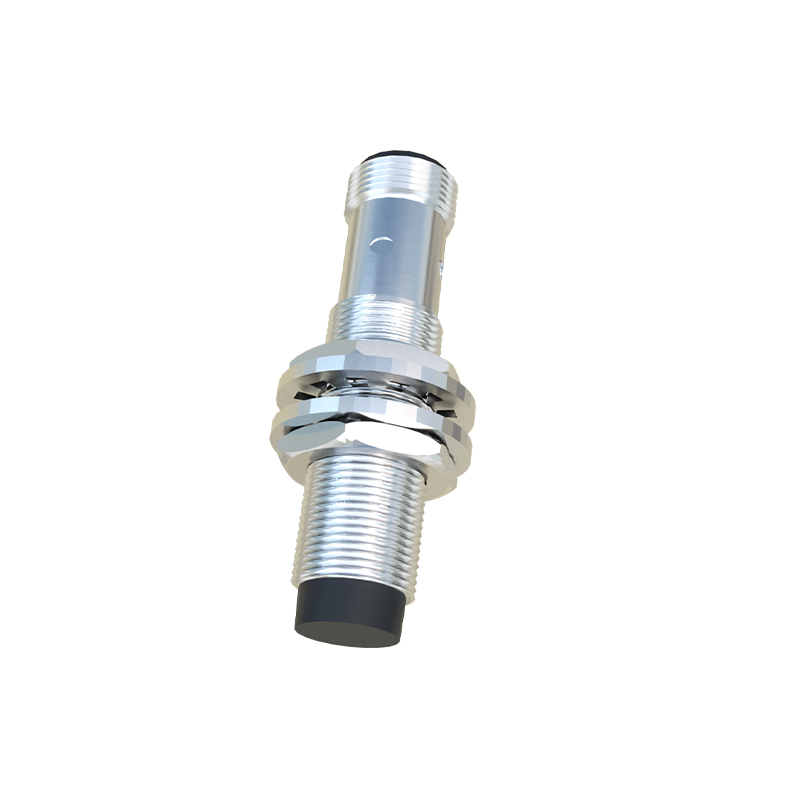
Installation and application considerations are vital for optimal performance. Sensors should be mounted securely to minimize vibration effects, and adequate clearance must be maintained between adjacent sensors to prevent mutual interference—a phenomenon known as flanking. Environmental ratings, such as IP (Ingress Protection) codes, indicate the level of protection against solids and liquids, ensuring suitability for harsh industrial environments. Output configurations include NPN (sinking) and PNP (sourcing) transistor outputs, as well as analog outputs for distance-proportional signals, allowing integration with programmable logic controllers (PLCs) and other control systems.
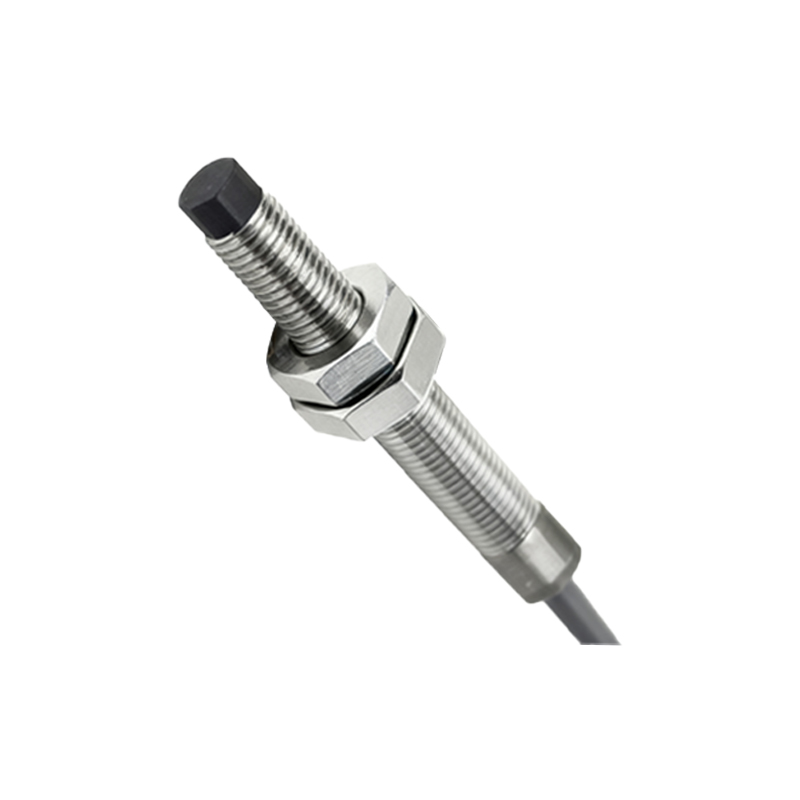
Applications of proximity switch sensors are extensive across manufacturing and processing industries. They are integral to position detection in conveyor systems, part presence verification in assembly lines, end-of-travel detection in automated machinery, and rotational speed monitoring via gear tooth sensing. In automotive manufacturing, they ensure precise component positioning. In packaging, they count products or control filling levels. Their reliability also makes them suitable for safety-related functions, such as detecting guard door positions.
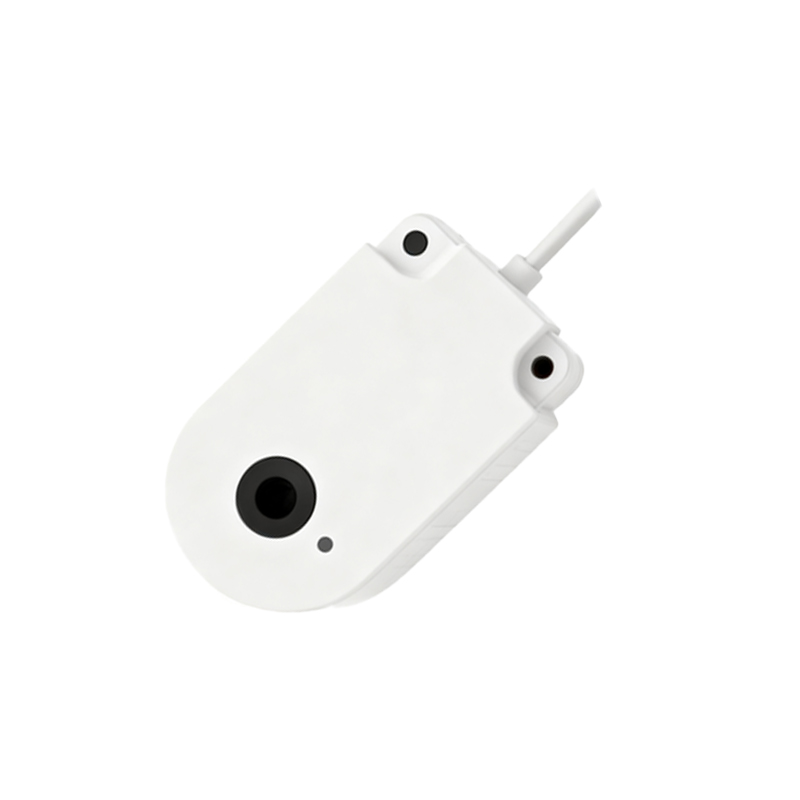
Maintenance of these sensors is generally minimal, given their non-contact nature. However, periodic checks are recommended to ensure the sensing face remains clean from debris buildup and that electrical connections are secure. Diagnostic features like LED indicators are commonly built-in to provide visual status feedback for power, output activation, and fault conditions. When selecting a proximity sensor, engineers must evaluate parameters including required sensing distance, target material, operating voltage, output type, environmental conditions, and housing style (e.g., cylindrical, rectangular, or ring-shaped).
Advancements in sensor technology continue to enhance performance. Modern proximity switches offer improved temperature stability, higher switching frequencies for faster machines, and increased resistance to electromagnetic interference (EMI). Some models incorporate IO-Link communication, enabling digital parameter setting, condition monitoring, and integration into Industry 4.0 smart factory networks. This digital capability allows for predictive maintenance by transmitting operational data, reducing unplanned downtime.
In summary, proximity switch sensor induction represents a fundamental, reliable technology for object detection in automation. Its non-contact operation ensures longevity and consistent performance in demanding applications. By understanding the operating principles, selection criteria, and application best practices, engineers and technicians can effectively implement these sensors to improve efficiency, safety, and productivity in automated systems. Proper selection and installation ensure that the sensors deliver precise, maintenance-free service over long periods, forming a critical component in modern industrial control systems.