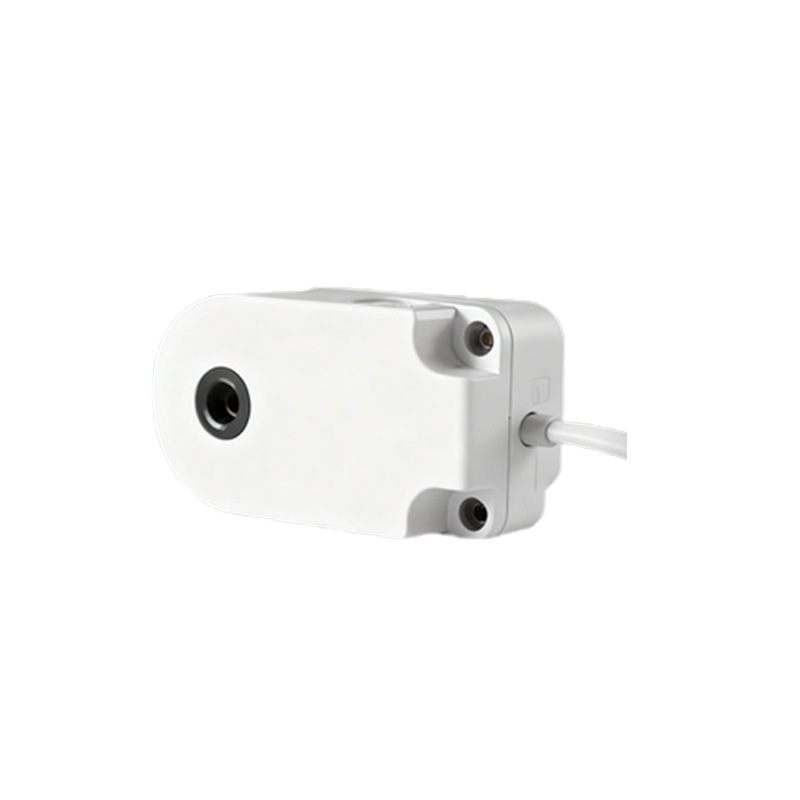
In modern industrial automation and safety systems, the reliable operation of machinery doors is paramount. Whether it's an access panel on a CNC machine, a protective guard on a robotic cell, or a large bay door in a manufacturing facility, ensuring these doors are securely closed before machine operation is a critical safety function. This is where proximity sensors, specifically designed for door applications, become indispensable components. Unlike traditional mechanical limit switches, these non-contact sensors provide enhanced reliability, longevity, and precision in detecting door position.
Proximity sensors for doors work on the principle of detecting the presence or absence of a metallic target—typically a actuator or a flag mounted on the moving part of the door—without any physical contact. When the door closes and the target enters the sensor's detection field, the sensor's output state changes. This signal is then sent to the machine's safety relay or programmable logic controller (PLC), which can permit or inhibit machine cycles based on the door's status. The core advantage is the elimination of wear and tear associated with mechanical actuation, leading to significantly lower maintenance and higher operational availability.
Several types of proximity sensors are commonly employed for door sensing duties, each with distinct characteristics. Inductive proximity sensors are the most prevalent choice. They generate an electromagnetic field and detect the eddy current losses caused by a metallic target. They are robust, cost-effective, and ideal for detecting steel or aluminum doors and targets. However, their sensing range is relatively short and they only detect metals. For applications involving non-metallic doors or where a longer sensing range is needed, capacitive proximity sensors may be used. These sensors can detect both metallic and non-metallic materials (like wood, plastic, or composite materials) by measuring changes in capacitance. Another key variant is the magnetic proximity sensor, or reed switch, which is actuated by the presence of a magnetic field from a magnet mounted on the door. These are often used in harsh environments where dust or splash protection is crucial, as they can be fully encapsulated.
Selecting the right proximity sensor for a machinery door involves a careful evaluation of several technical and environmental factors. First, consider the sensing distance required. Engineers must account for the door's travel and mounting tolerances, selecting a sensor with a nominal sensing range that provides a reliable margin. The housing material and form factor are also critical. Cylindrical sensors (e.g., M8, M12, M18, M30 threaded barrels) are common for bolt-on applications, while rectangular or block-style sensors might be used in space-constrained areas. The sensor's housing is typically made of nickel-plated brass, stainless steel, or ruggedized PBT plastic, chosen based on the need for chemical resistance or physical durability.
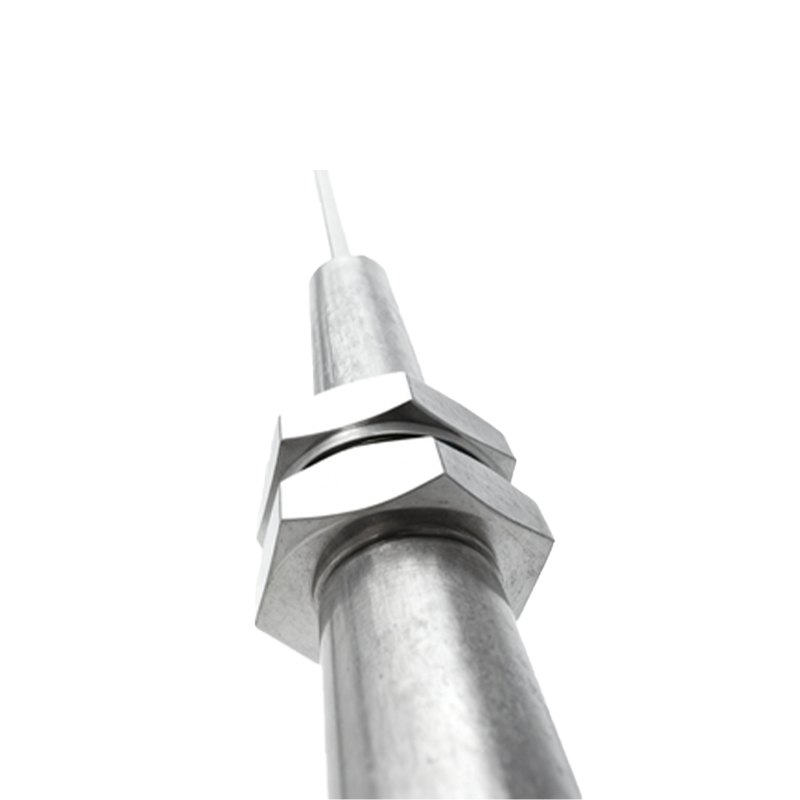
Electrical characteristics cannot be overlooked. Most industrial proximity sensors operate on DC voltages (10-30V DC) or sometimes AC, providing either a sinking (NPN) or sourcing (PNP) discrete output. The output type must match the input card of the controlling system. Furthermore, the Ingress Protection (IP) rating is a decisive factor for door applications, which are often exposed to contaminants. A rating of IP67 is standard, meaning the sensor is dust-tight and can withstand temporary immersion in water, making it suitable for washdown areas in food and beverage or pharmaceutical plants.
Beyond basic presence detection, safety-rated proximity sensors play a vital role in functional safety systems. These devices, often with a built-in redundancy or monitoring circuit, are designed and certified according to standards like ISO 13849 (Performance Level, PL) or IEC 61508 (Safety Integrity Level, SIL). They are used in safety door interlocks to prevent machine start-up or to trigger a safe stop when a door is opened. For such critical applications, never substitute a standard sensor for a safety-rated one.
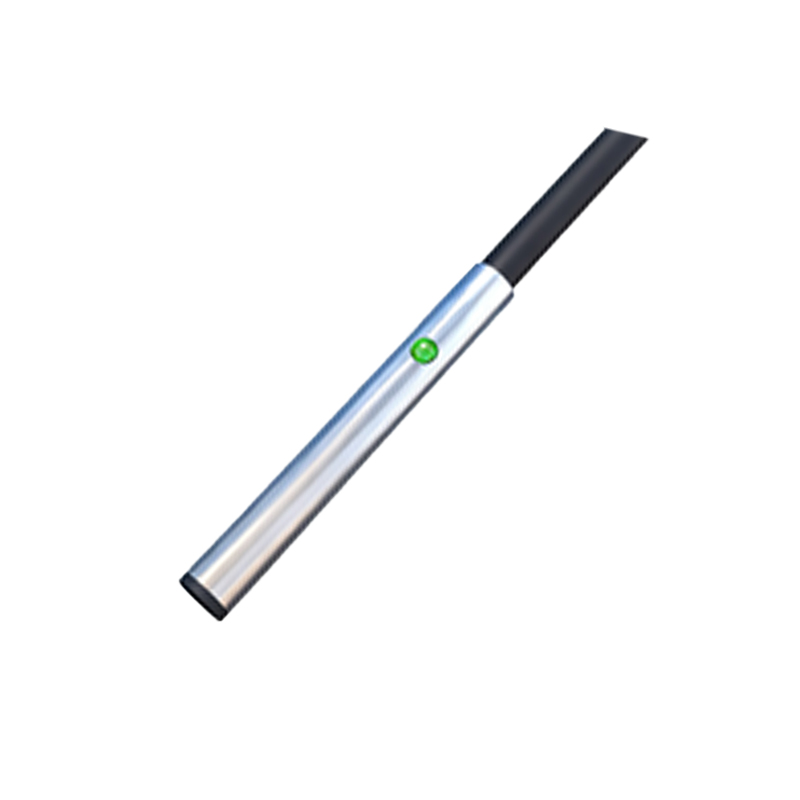
Installation and alignment are straightforward but essential for reliable operation. The sensor should be mounted rigidly to minimize vibration, and the target should pass consistently within its sensing zone. For inductive sensors, the target material and size must meet the sensor's specifications; a target smaller than the sensor's face or made of a non-ferrous metal like aluminum may require a reduced sensing range. Regular functional testing should be part of the preventive maintenance schedule to ensure the interlock system remains fail-safe.
In conclusion, proximity sensors for machinery doors are more than simple switches; they are fundamental elements of machine safety, operational efficiency, and automation integrity. By understanding the different technologies available and carefully matching the sensor's specifications to the application's demands—considering factors like target material, sensing distance, environmental harshness, and safety requirements—engineers and maintenance personnel can ensure reliable door monitoring, protect both personnel and equipment, and minimize costly downtime.