In the intricate world of industrial automation and machinery, the seamless operation of countless systems hinges on a deceptively simple component: the proximity sensor. These non-contact devices detect the presence or absence of an object, forming the foundational layer of feedback for control systems. For engineers, maintenance teams, and procurement specialists, finding the right proximity sensor distributor is not merely a purchasing task; it is a critical strategic decision that impacts production uptime, system reliability, and overall operational efficiency.
A reputable proximity sensor distributor serves as far more than a middleman. They are a vital link in the supply chain, offering technical expertise, logistical support, and a curated selection of products from leading manufacturers. The market is flooded with options, from global giants like Siemens, Omron, and Schneider Electric to specialized brands catering to niche applications. A skilled distributor helps navigate this landscape, matching the specific requirements of an application—be it sensing range, material composition (inductive, capacitive, ultrasonic, or photoelectric), output type (PNP/NPN), or environmental resilience (IP ratings, temperature tolerance)—with the optimal product.
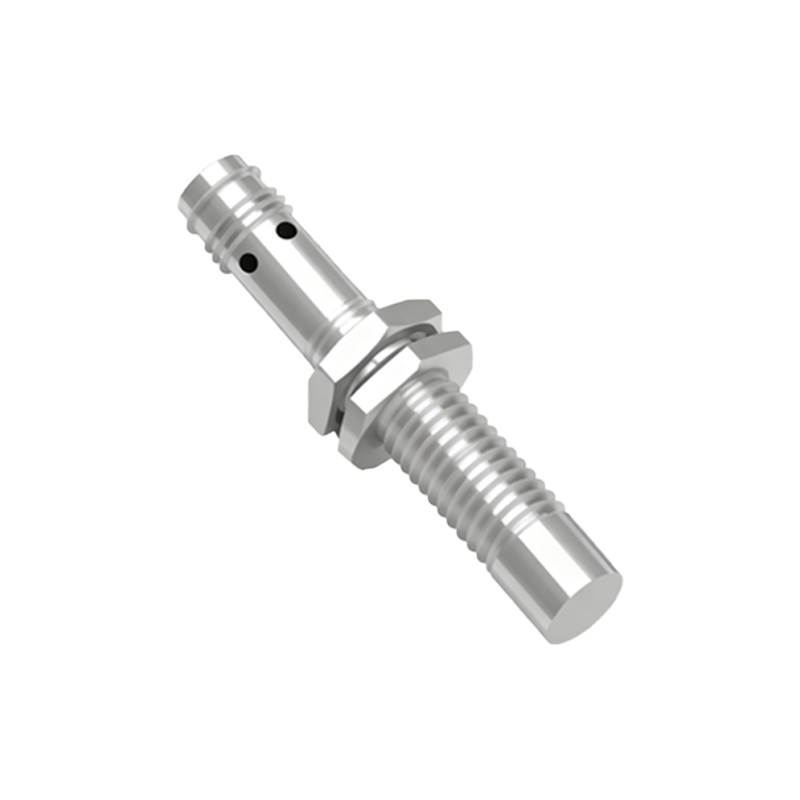
The value proposition of a dedicated distributor extends beyond the catalog. Firstly, they provide crucial technical support. A seasoned distributor’s application engineers can assist in sensor selection, helping to avoid common pitfalls such as choosing an inductive sensor for a non-metallic target or underestimating the effects of environmental contaminants. This pre-sales consultation can save significant time and prevent costly installation errors. Secondly, inventory management and availability are paramount. Reliable distributors maintain substantial stock levels, ensuring that a failed sensor on a critical production line can be replaced immediately, minimizing downtime. They act as a local buffer against global supply chain fluctuations.
Furthermore, a strong distributor offers value-added services. These may include custom cable assembly, connectorization, or even minor modifications to standard products to fit unique mounting configurations. They understand the local market’s regulatory standards and can ensure the supplied sensors comply with regional safety and electromagnetic compatibility (EMC) directives. For large-scale or ongoing projects, distributors often establish vendor-managed inventory (VMI) programs, ensuring a constant supply of components directly at the point of use.
When selecting a proximity sensor distributor, several key criteria should guide the decision. Technical Competence: Evaluate their team’s ability to understand and discuss your application in detail. Do they ask probing questions about the target material, sensing distance, and operating environment? Product Portfolio: Do they represent a range of reputable manufacturers, allowing for objective comparison and solution flexibility, or are they tied to a single brand? Logistical Capability: Assess their warehouse infrastructure, delivery timelines, and order tracking systems. Consistency and reliability in delivery are non-negotiable. After-Sales Support: Inquire about their return policies, warranty handling, and technical support availability post-purchase. A distributor that stands behind the products they sell is a partner for the long term.
The relationship with a proficient distributor evolves into a strategic partnership. They become an extension of your engineering and procurement team, providing market intelligence on new sensor technologies, such as IO-Link enabled smart sensors that offer diagnostic data, or more robust designs for harsh environments. This proactive insight can drive innovation and preventative maintenance strategies within your operations.
In conclusion, sourcing proximity sensors is a task where the choice of distributor is equally as important as the choice of the sensor itself. The right partner delivers not just a component in a box, but a combination of product assurance, engineering wisdom, and supply chain stability. In an era where manufacturing agility and equipment reliability are competitive imperatives, aligning with a knowledgeable and service-oriented proximity sensor distributor is a fundamental step toward achieving operational excellence. Investing time in selecting this partner carefully will yield dividends in reduced downtime, optimized system performance, and long-term cost savings.