In the realm of industrial automation and precision measurement, sensing technology forms the backbone of modern control systems. Among the diverse array of sensors available, fiber optic sensors, photoelectric sensors, and proximity switches stand out for their unique capabilities and widespread applications. Understanding their principles, differences, and optimal use cases is crucial for engineers and system designers.
Fiber optic sensors represent a sophisticated class of devices that use optical fibers as the sensing element or as a means to relay signals from a remote sensor. The core principle involves modulating light properties—such as intensity, phase, wavelength, or polarization—as it travels through the fiber. Changes in the external environment (temperature, pressure, strain, vibration) affect these light properties. A photodetector then converts this modulated light back into an electrical signal for interpretation. Their most significant advantages include immunity to electromagnetic interference (EMI), intrinsic safety in explosive environments due to the absence of electrical sparks, and the ability to function in extreme temperatures and corrosive settings. They are indispensable in structural health monitoring of bridges and aircraft, downhole sensing in oil and gas wells, and medical diagnostics.
Photoelectric sensors, on the other hand, operate on a more direct principle of light emission and reception. They consist of a light source (typically an LED or laser diode) and a receiver. They detect the presence, absence, or distance of an object by evaluating the properties of the light beam reflected from or interrupted by the target. These sensors are categorized mainly into three types: through-beam (where the transmitter and receiver are separate units, offering the longest sensing range and high reliability), retro-reflective (using a reflector to bounce light back to a combined unit), and diffuse reflective (where the target itself reflects light back to the receiver). Known for their versatility and non-contact detection over relatively long distances, they excel in packaging lines, material handling, and object counting where precise positioning is key.
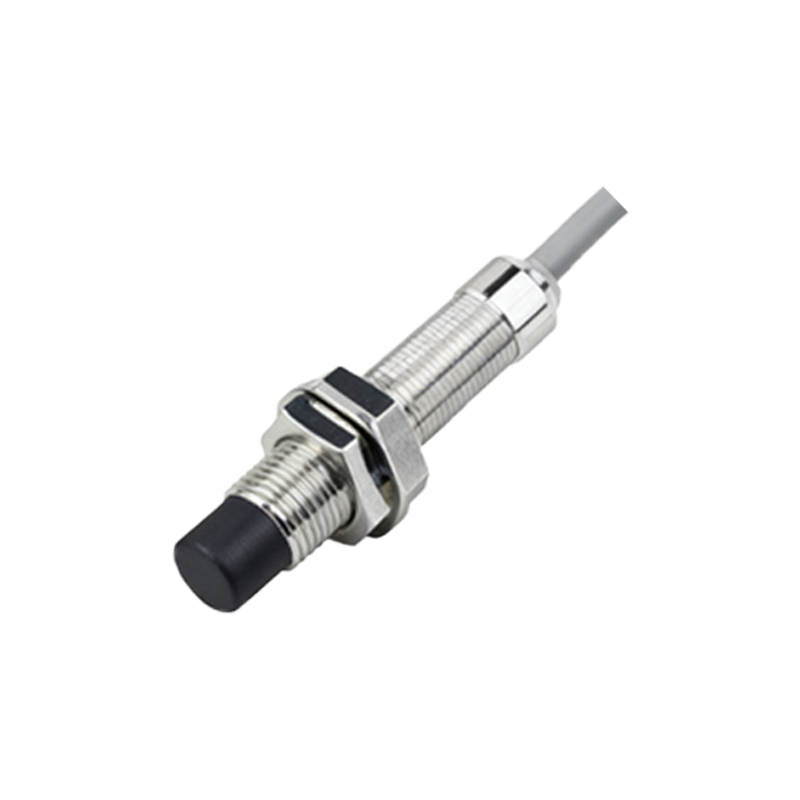
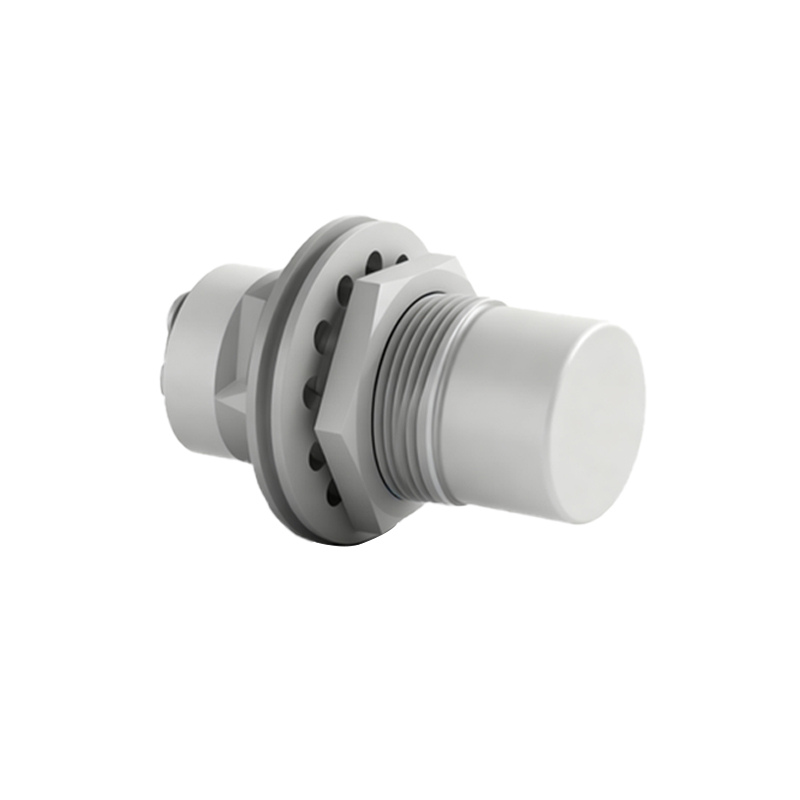
Proximity switches, specifically inductive and capacitive types, are workhorses in factory automation. Inductive proximity sensors detect metallic objects without physical contact. They generate an electromagnetic field; when a metal target enters this field, it induces eddy currents, causing a change in the sensor's oscillation amplitude, which triggers a switch. Capacitive proximity sensors can detect both metallic and non-metallic materials (plastics, wood, liquids) by measuring changes in capacitance caused by the target altering the electrostatic field around the sensor's face. These switches are prized for their robustness, fast response times, and reliability in harsh, dirty environments with oil, dust, or coolant. They are fundamental in machine tooling, position sensing of metal parts, and liquid level control.
Choosing between these technologies depends heavily on the application's specific demands. For environments riddled with strong EMI or requiring distributed sensing over kilometers, fiber optics are unrivaled. When the task involves detecting non-metallic objects at a distance or through transparent materials, photoelectric sensors are often the best choice. For simple, robust, and cost-effective detection of metallic objects in tight spaces or dirty conditions, inductive proximity switches are typically the optimal solution.
The convergence of these technologies is also shaping the future of Industry 4.0. Smart sensors now integrate digital communication protocols like IO-Link, providing not just a switch signal but also diagnostic data (e.g., signal strength, temperature, contamination warnings) to predictive maintenance systems. This enhances overall equipment effectiveness and reduces unplanned downtime.
In conclusion, fiber optic sensors, photoelectric sensors, and proximity switches are not competing technologies but complementary tools in an automation engineer's toolkit. A deep understanding of their underlying physics, strengths, and limitations allows for the design of more efficient, reliable, and intelligent automated systems across manufacturing, energy, transportation, and beyond. The ongoing miniaturization and integration of these sensors promise even greater innovations in the years to come.