In industrial automation, consumer electronics, automotive systems, and countless other applications, proximity sensors play a critical role by detecting the presence or absence of an object without physical contact. Their reliable operation is paramount for safety, efficiency, and product quality. This reliability is not inherent but is engineered through adherence to a complex framework of international standards and technical specifications. Understanding these norms is essential for designers, integrators, and procurement specialists.
The landscape of proximity sensor standards is shaped by several key international and regional bodies. The International Electrotechnical Commission (IEC) provides foundational standards. IEC 60947-5-2 is particularly crucial, defining the specific requirements for low-voltage switchgear and controlgear, including proximity sensors with solid-state switching elements. It covers aspects like rated operational voltage and current, utilization categories, marking, and constructional requirements. For functional safety applications, the IEC 61508 series on functional safety of electrical/electronic/programmable electronic safety-related systems sets the overarching principles, which are often implemented in sector-specific standards like ISO 13849 for machinery safety.
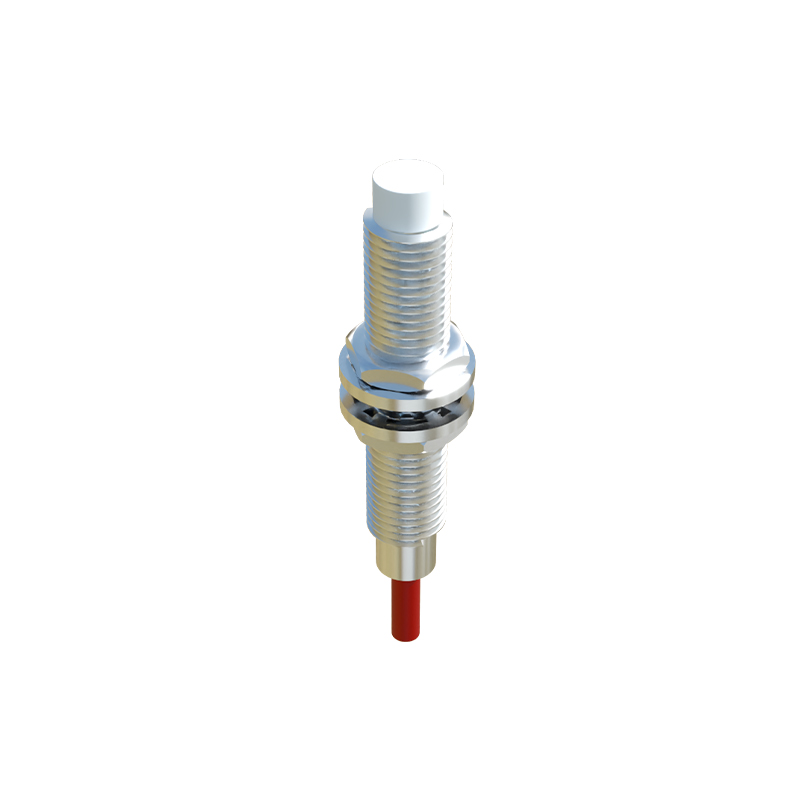
In North America, Underwriters Laboratories (UL) standards are widely recognized. UL 508 governs industrial control equipment, including the safety of proximity switches used within control panels. For the automotive industry, a major consumer of proximity sensors, standards from the International Organization for Standardization (ISO) and specific Original Equipment Manufacturer (OEM) specifications are dominant. These often dictate extreme performance tolerances for temperature, vibration, and electromagnetic compatibility (EMC).
Technical specifications, often detailed in a sensor's datasheet, translate these broad standards into measurable performance criteria. Key parameters defined by standards include:
Sensing Distance (Sn): The nominal operating distance. Standards like IEC 60947-5-2 define tolerances (typically ±10%) and test methods for this critical parameter.
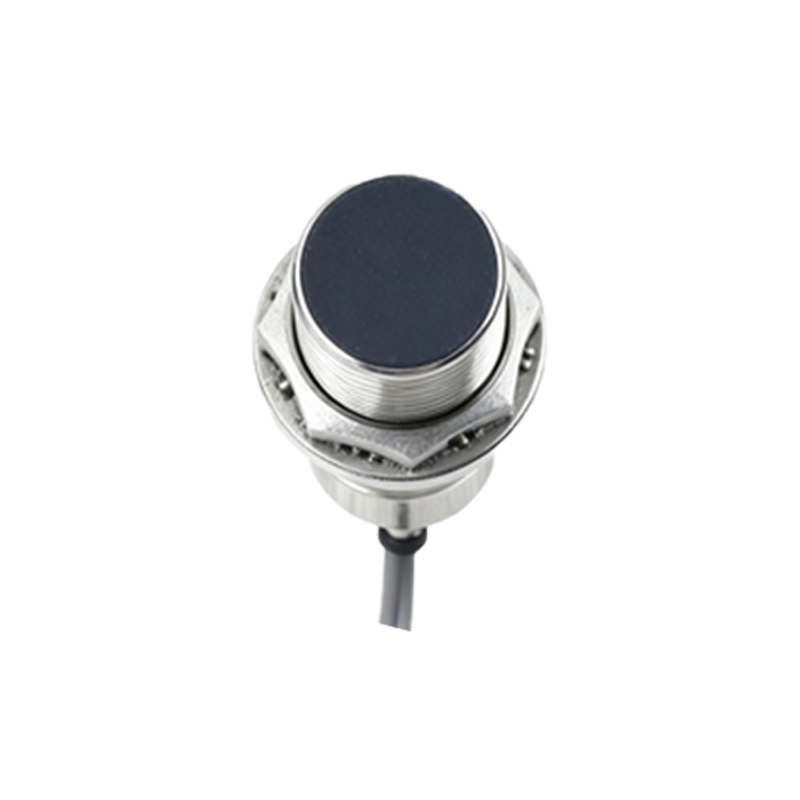
Operating Frequency: The maximum number of switching cycles per second. This is vital for high-speed automation.
Hysteresis: The difference between the switch-on and switch-off points, expressed as a percentage of the sensing distance. This prevents chatter when an object is at the detection boundary.
Environmental Ratings: Specifications for Ingress Protection (IP) per IEC 60529 (e.g., IP67 for dust-tight and immersion resistance) and temperature range ensure the sensor can withstand its operating environment.
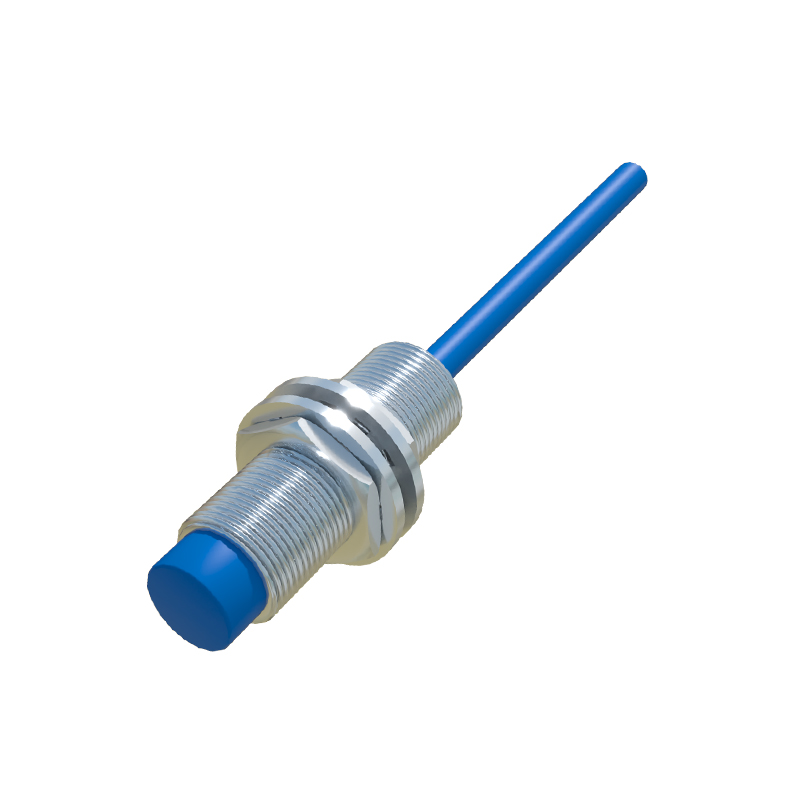
Output Configuration and Electrical Characteristics: Standards define types (e.g., PNP/NPN, analog, IO-Link), voltage/current ratings, leakage current, and voltage drop.
Electromagnetic Compatibility (EMC): Compliance with standards like IEC 61000-6-2 (industrial immunity) and IEC 61000-6-4 (industrial emissions) is mandatory to ensure the sensor neither malfunctions due to interference nor causes it.
Safety Integrity Level (SIL) / Performance Level (PL): For safety-related parts of control systems, sensors may be certified to specific SIL (per IEC 61508/62061) or PL (per ISO 13849) ratings, indicating their reliability in preventing dangerous failures.
Material and construction specifications are also guided by standards. The housing material (e.g., nickel-plated brass, stainless steel, PBT plastic) must be suitable for the environment. Sensing face materials are chosen for compatibility with detected objects and environmental resistance. Standards may specify tests for mechanical strength, resistance to chemicals, and sealing.
The process of certification and marking is a direct outcome of standard compliance. A sensor bearing the CE mark (for Europe), UL listing mark (for the US/Canada), or specific SIL/PL certification has been assessed against the relevant standards. These marks are not mere logos; they are declarations of conformity that facilitate market access and assure a baseline level of safety and performance.
Selecting the right proximity sensor, therefore, goes beyond comparing sensing distance and price. A systematic approach involves:
1. Defining the application's core requirements (object material, required distance, speed, environment).
2. Identifying any mandatory regulatory standards for the target market and industry (e.g., machinery directive requiring CE/ISO 13849, automotive OEM specs).
3. Evaluating sensor datasheets against these standards and application needs, paying close attention to specified certifications.
4. Considering the long-term reliability and support implied by a manufacturer's commitment to standardized testing and certification.
In conclusion, proximity sensor standards and specifications form the essential language of reliability and interoperability. They provide a common framework that ensures sensors from different manufacturers can be safely and effectively integrated into systems worldwide. For engineers and specifiers, a diligent understanding of IEC, UL, ISO, and other relevant norms is not optional—it is a fundamental component of professional design and procurement, ensuring robust, safe, and compliant automated systems.