In the world of industrial automation, machinery safety, and smart devices, proximity sensor probes are the silent, unseen sentinels. These critical components detect the presence or absence of an object without any physical contact, enabling countless automated processes to function with precision and reliability. Unlike basic switches, they operate on various physical principles, each suited to specific environments and tasks. Understanding their functionality, types, and key selection criteria is paramount for engineers, technicians, and procurement specialists.
At its core, a proximity sensor probe consists of two main parts: the sensing element housed in a probe or barrel, and an associated amplifier or controller. The probe is responsible for generating a detection field and reacting to a target's intrusion into that field. This reaction is then converted by the amplifier into a clear electrical signal—typically a simple ON/OFF switch—that can be used by a programmable logic controller (PLC), robot, or other control system. The non-contact nature of this operation eliminates mechanical wear and tear, ensuring a long operational life and high repeatability.
The most common technologies underpinning these sensors are inductive, capacitive, and photoelectric. Inductive proximity sensors are the workhorses of metal detection. They generate an electromagnetic field. When a metallic target enters this field, it induces eddy currents within the metal, causing a change in the sensor's own oscillation amplitude. This change is detected, triggering the output. They are robust, resistant to dirt and moisture (often rated IP67), and ideal for detecting gears, machine parts, or position verification in harsh manufacturing environments. However, they are generally ineffective for non-metallic materials.
For applications requiring detection of non-metallic objects—such as plastic, wood, glass, or liquids—capacitive proximity sensors are the solution. They function by generating an electrostatic field. Any object with a dielectric constant different from air (which is nearly all materials) will alter this field's capacitance upon approach. This makes them versatile for level detection in tanks (liquid or granular), detecting filled packages on a conveyor, or even sensing a human hand. Their sensitivity can often be adjusted, but they can be susceptible to environmental factors like humidity.
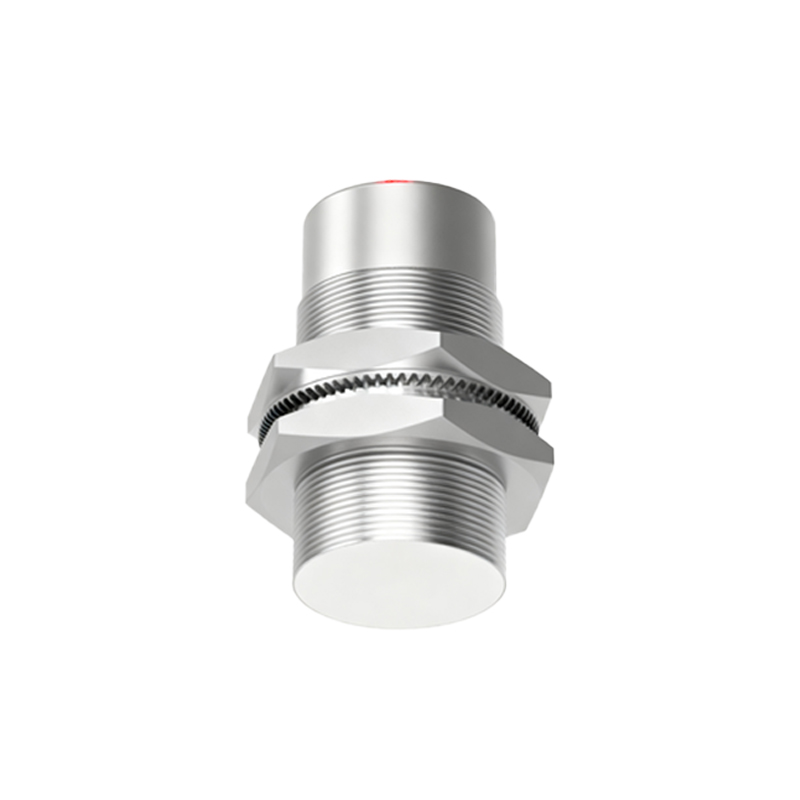
Photoelectric sensors, while sometimes in a separate category, function as proximity devices. They emit a beam of light (visible red, infrared, or laser) and detect its reflection. In the diffuse or proximity mode, the sensor detects light reflected directly off the target itself. Their strength lies in long detection ranges and the ability to sense virtually any material, provided it reflects enough light. They are commonly used for object counting, web break detection, and in clean environments.
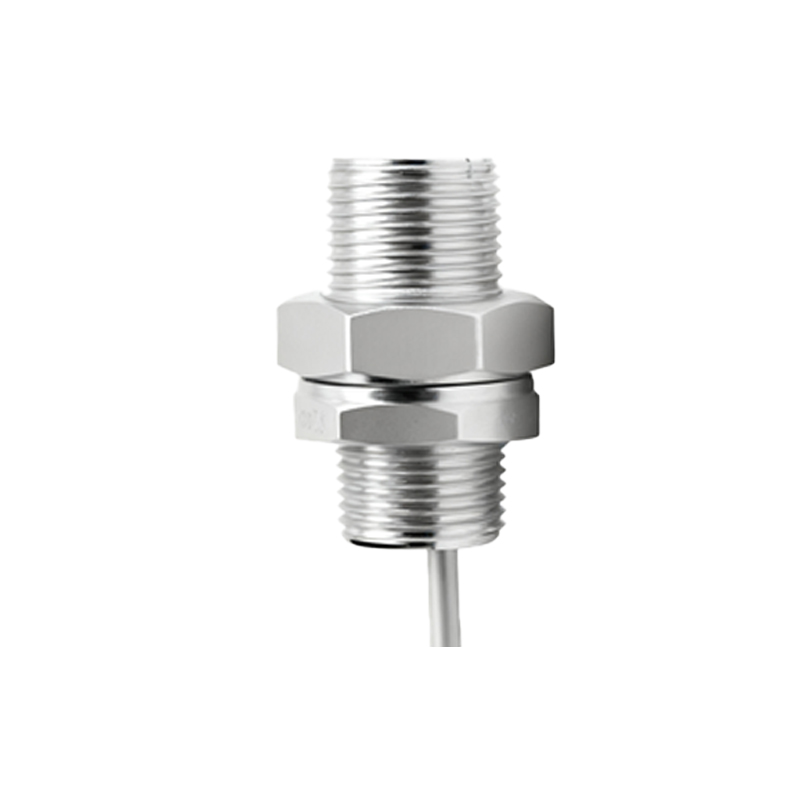
Selecting the right proximity sensor probe requires careful consideration of several parameters. First, the sensing distance, or "rated operating distance," specified by the manufacturer under standardized conditions. It is crucial to note that real-world factors like target material, size, and temperature can affect this. Second, the target material and size must match the sensor's technology; a small plastic cap may not be detected reliably by a capacitive sensor calibrated for a large tank. Third, the housing material and Ingress Protection (IP) rating determine environmental suitability—stainless steel housings with high IP ratings are necessary for washdown areas in food processing. Fourth, the output type (NPN sinking, PNP sourcing, or analog) must be compatible with the control system's input card. Finally, mounting considerations, such as flush-mountable or non-flush designs, affect the sensor's installation and its immunity to surrounding metal.
Applications are vast and cross-industry. In automotive assembly, inductive sensors verify the presence of engine blocks or position robotic welders. In packaging lines, capacitive sensors ensure bottles are filled before capping. Photoelectric sensors guard access points as safety curtains. On modern CNC machines, they provide precise tool positioning feedback. Even in everyday life, they are embedded in smartphones to disable the touchscreen when held to the ear.
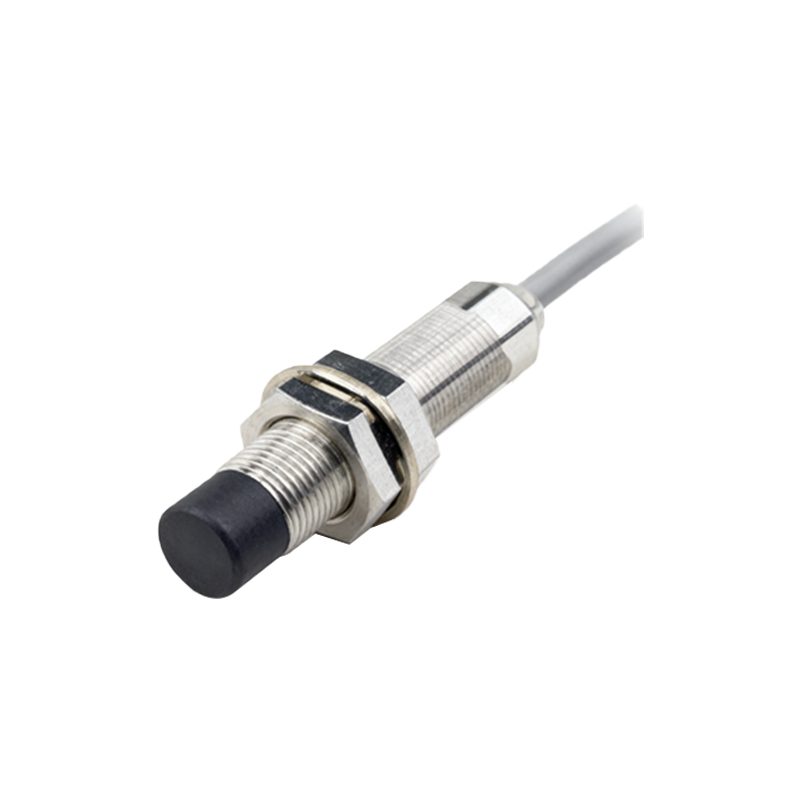
Installation and maintenance, while generally straightforward, demand attention. Ensuring a stable power supply within the sensor's specified voltage range is fundamental. Proper shielding and separation from high-power cables are necessary to prevent electrical noise interference, which can cause erratic switching. For inductive sensors, maintaining the correct distance from surrounding metal (as per the manufacturer's guidelines for side-by-side mounting) prevents mutual interference. Regular cleaning of the sensor face to remove buildup of oil, dust, or metal chips is a simple but critical maintenance task to prevent false triggers or failure to detect.
In conclusion, proximity sensor probes are fundamental enabling components of modern automation. Their selection is not a one-size-fits-all process but a technical matching exercise between the application's requirements and the sensor's inherent capabilities. A thorough analysis of the target, environment, and required electrical interface leads to an optimal choice, ensuring system reliability, efficiency, and safety. As industries move towards greater connectivity