In the realm of industrial automation and everyday electronics, the ability to detect the presence or absence of an object without physical contact is paramount. Among the various technologies enabling this capability, the photoelectric proximity switch stands out for its versatility, reliability, and precision. This device, a cornerstone of non-contact sensing, operates on the fundamental principles of light, offering solutions across a staggering array of applications, from factory assembly lines to consumer appliances.
At its core, a photoelectric proximity switch consists of two primary components: a light emitter and a light receiver. The emitter, typically a light-emitting diode (LED) that produces visible red, green, or infrared light, projects a beam. The receiver, a phototransistor or photodiode, is designed to detect this light. The switch's state changes based on whether the receiver "sees" the emitted light beam. This simple interaction forms the basis for several distinct operating modes, each suited to specific environmental and application needs.
The three main types are through-beam, retro-reflective, and diffuse reflective sensors. The through-beam, or opposed mode, features separate units for the emitter and receiver, positioned directly opposite each other. An object is detected when it interrupts the light beam traveling from the emitter to the receiver. This type offers the longest sensing ranges and highest reliability, as it is less affected by the object's color, texture, or reflectivity. It is ideal for precise detection in demanding environments like packaging machinery or security systems.
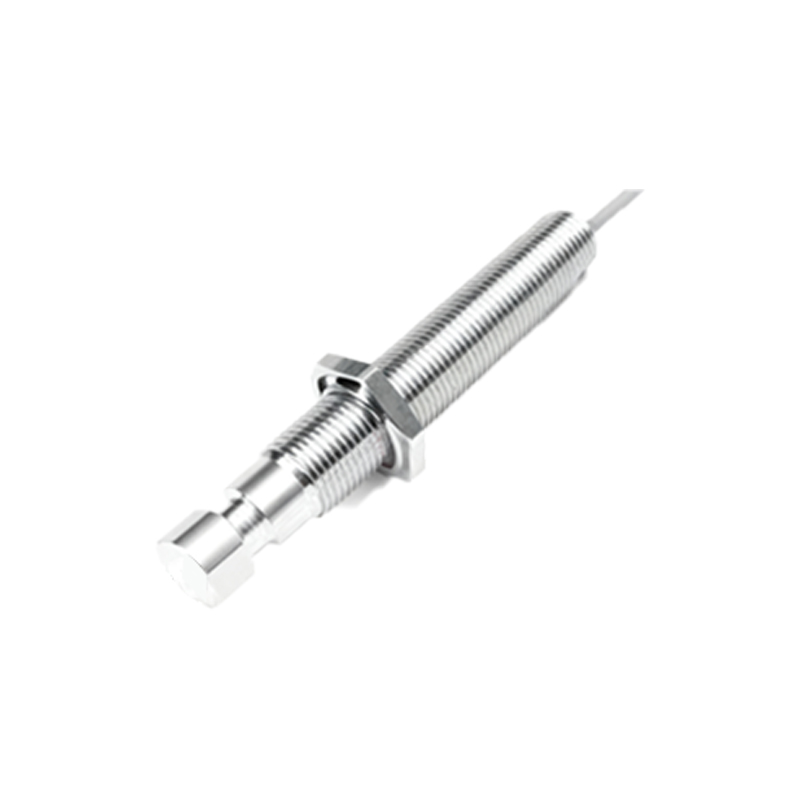
Retro-reflective sensors house both the emitter and receiver in a single housing. They rely on a reflector, typically a prismatic tape or special mirror, placed opposite the sensor. The emitted beam travels to the reflector and bounces back to the receiver. Detection occurs when an object blocks this return path. This mode provides a good balance of range and convenience, as it requires wiring only on one side. However, it can be fooled by highly reflective objects that might bounce light back similarly to the reflector, a challenge often addressed with polarization filters.
The diffuse reflective, or proximity mode, is the most common and compact design. Here, both emitter and receiver are in the same unit, and the sensor detects light reflected directly off the target object itself. The distance at which an object can be reliably detected (the sensing range) depends heavily on the object's size, color, and surface finish. Light-colored, matte objects reflect well and are detected at longer ranges, while dark, shiny, or absorbent objects pose a greater challenge. This type is ubiquitous in applications like object counting, level detection, and touchless faucets.
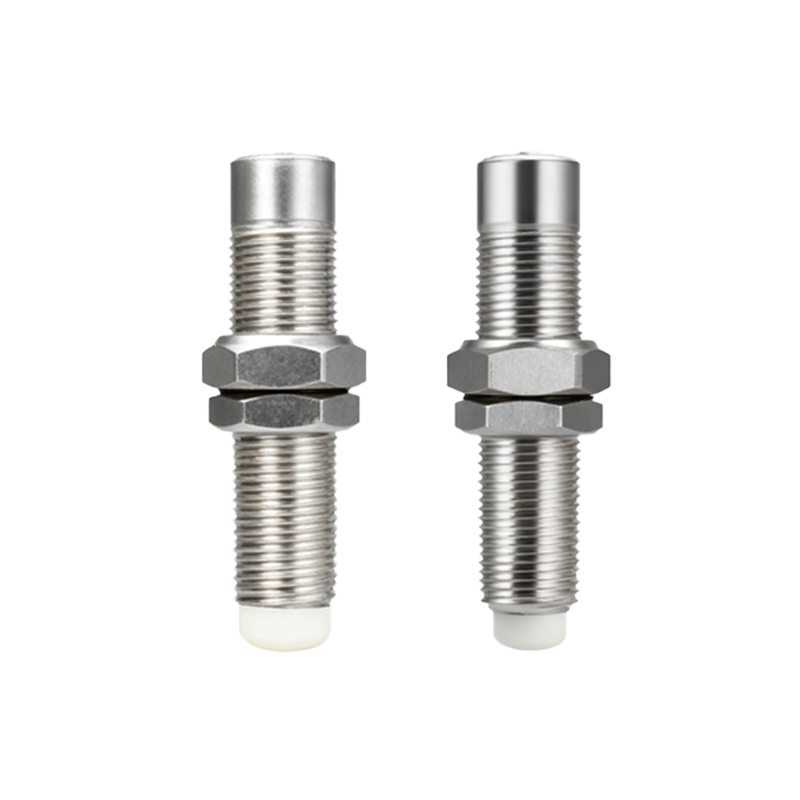
Modern photoelectric sensors incorporate advanced features to enhance performance. Background suppression technology allows a diffuse sensor to ignore objects beyond a specific set distance, focusing only on the foreground. Fiber optic cables can be attached to the emitter and receiver, enabling sensing in extremely hot, cold, or space-constrained locations by carrying light to and from the remote sensing point. Laser models provide a very precise, narrow beam for detecting small objects or precise edges. Furthermore, digital and analog outputs provide not just a simple on/off signal but sometimes data proportional to the received light intensity.
The advantages of photoelectric proximity switches are numerous. Their non-contact nature means no mechanical wear, leading to exceptionally long service life. They can detect virtually any material—metal, plastic, wood, liquid, or glass—as long as it affects the light beam. They offer fast response times, capable of detecting objects moving at high speeds. With proper housing, they can be made resistant to dust, water, and chemicals, adhering to IP ratings for robust industrial use.
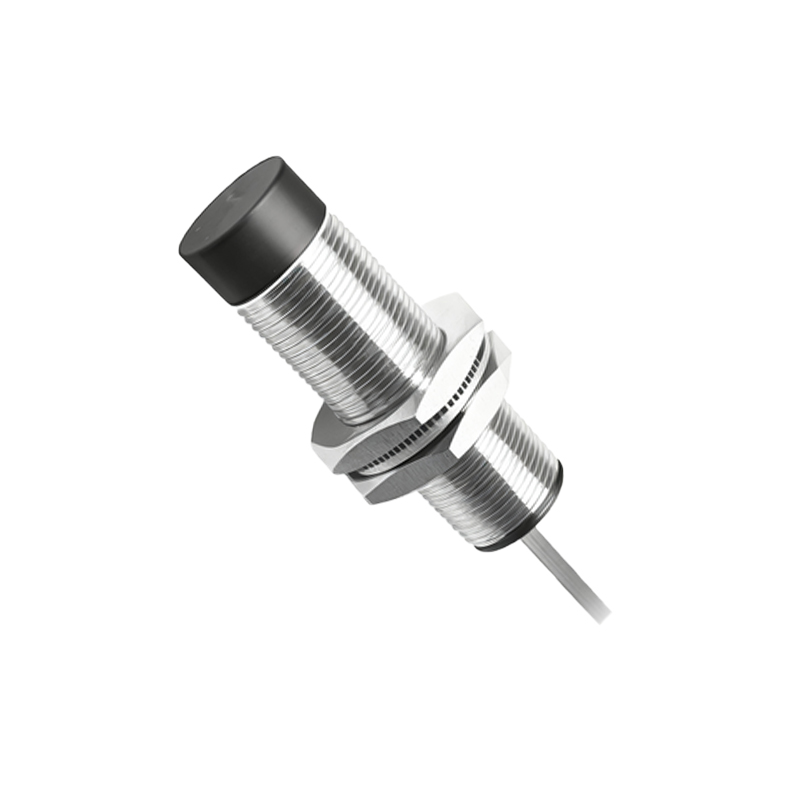
Applications are vast and varied. In manufacturing, they position parts on conveyors, count products, control robotic arms, and check for broken tools. In the automotive industry, they ensure proper assembly and paint application. In the consumer domain, they enable the automatic doors of elevators and supermarkets, the paper detection in printers, and the hand-sensing in soap dispensers. They play a critical role in safety, forming light curtains that halt machinery when breached.
Selecting the right photoelectric sensor requires careful consideration of the specific task. Key factors include the required sensing distance, the size and characteristics of the target object, the ambient lighting conditions (sunlight or factory lights can interfere), the required speed of response, and the environmental hazards present. Understanding the principles behind through-beam, retro-reflective, and diffuse reflective modes is the first step in deploying these versatile, invisible workhorses that silently and efficiently bring intelligence and automation to the modern world.