In the intricate dance of modern industrial automation, where precision and reliability are non-negotiable, a specific class of devices operates quietly yet indispensably. Reversal proximity sensors, often overlooked in broader discussions about sensing technology, play a critical role in ensuring safety, enhancing efficiency, and preventing costly damage in countless applications. Unlike standard proximity sensors that detect the presence or absence of an object, reversal proximity sensors are engineered to monitor a specific condition—typically the reversal or change in direction of a moving component. Their core function is to confirm that a machine part has successfully completed a reversal action before the next sequence in an automated process is initiated.
The operational principle of these sensors is elegantly straightforward, built upon robust technologies like inductive, capacitive, or magnetic sensing. Consider a common application: a robotic arm performing a pick-and-place operation. After placing a component, the arm must retract to its home position. A reversal proximity sensor is positioned to detect the exact moment the arm begins its return stroke or reaches a specific point in its reverse trajectory. This detection signal acts as a crucial permission slip for the system's logic controller. Without this confirmation, the system might erroneously attempt to start a new cycle, potentially leading to a collision, jamming, or incomplete operation. This makes them fundamental for motion control and sequence validation.
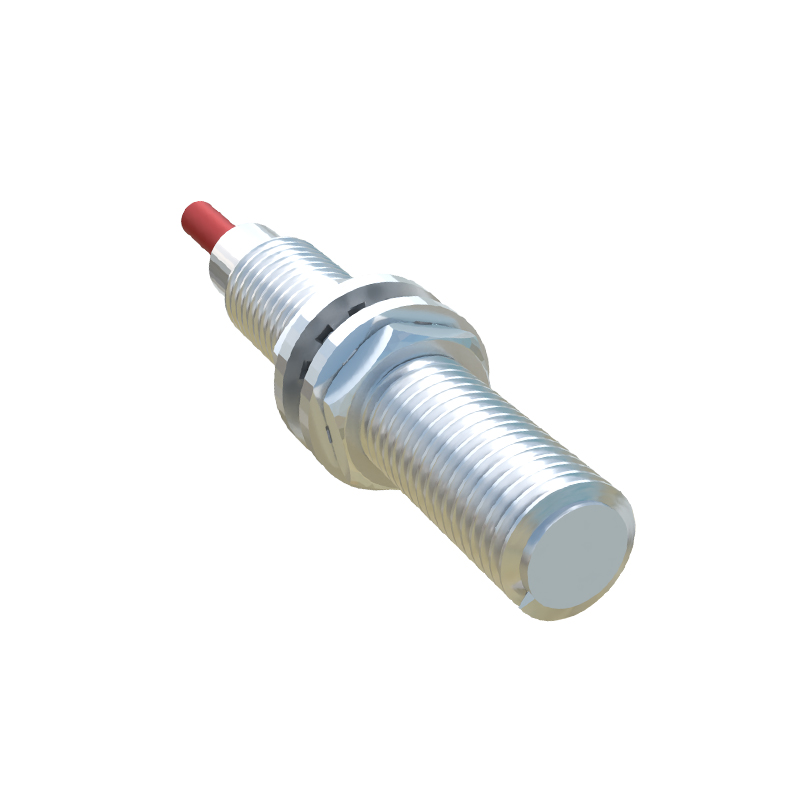
The value proposition of reversal proximity sensors is multifaceted, centered on safety and operational integrity. In automotive assembly lines, they are deployed to verify the reversal of welding guns or painting arms, preventing accidents and ensuring each step is complete. In packaging machinery, they confirm the retraction of sealing heads or cutting blades, safeguarding both the product and the machine from faults. Their role is preventive; they are the gatekeepers that halt a process when an expected reversal does not occur, triggering alarms or initiating safe shutdown procedures. This proactive fault detection is invaluable for minimizing downtime and avoiding catastrophic equipment failure.
Selecting the appropriate reversal proximity sensor requires careful consideration of several technical and environmental factors. The sensing range, response time, and output type (e.g., PNP/NPN digital signal) must align with the speed and nature of the moving target. Environmental resilience is paramount. Sensors installed in harsh industrial settings must boast high ingress protection (IP) ratings against dust and coolants, exhibit exceptional resistance to vibration, and withstand electromagnetic interference from nearby motors and drives. Durability directly translates to long-term reliability and reduced maintenance costs.
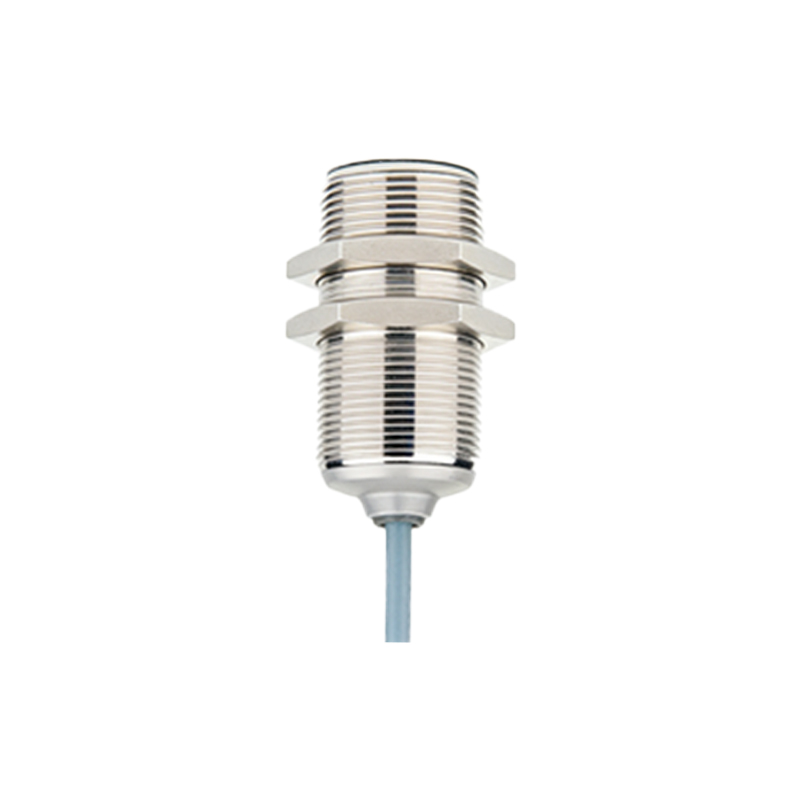
The integration of these sensors into larger control ecosystems highlights their importance. They provide a simple, binary feedback signal—often a clean digital pulse—to Programmable Logic Controllers (PLCs) or other control units. This integration is typically straightforward, but it demands precise installation and alignment. Even a millimeter of misplacement can lead to false readings. Furthermore, the advent of Industry 4.0 and the Industrial Internet of Things (IIoT) is opening new frontiers. Modern reversal sensors with IO-Link capability can transmit not just a switch signal but also diagnostic data, such as internal temperature, operating hours, or signal strength, enabling predictive maintenance and deeper process analytics.
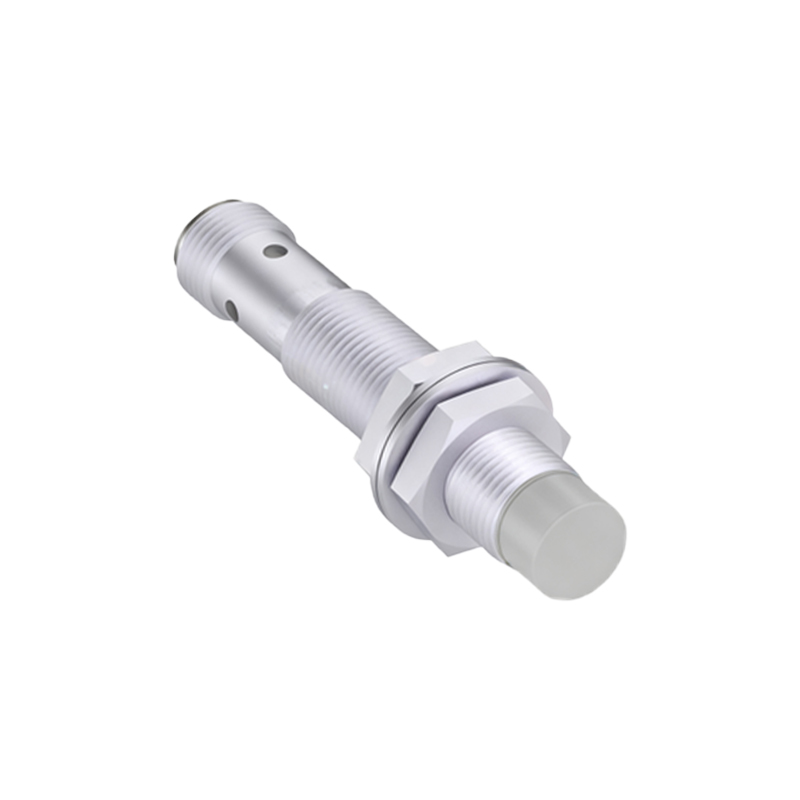
Despite their simplicity, the absence or failure of a reversal proximity sensor can have disproportionate consequences. A single missed reversal signal in a high-speed bottling plant can cascade into a massive jam, requiring hours to clear and resulting in significant production loss. Therefore, their installation is never an afterthought but a core component of machine design for safety and efficiency. Regular testing and calibration are part of essential preventative maintenance schedules to ensure they perform flawlessly over thousands, even millions, of cycles.
In conclusion, reversal proximity sensors exemplify how a focused, single-purpose device can be a linchpin for system-wide reliability. They perform a silent, vigilant watch over machine movements, providing the essential feedback that keeps complex automated processes flowing smoothly and safely. As automation systems grow more sophisticated and demands for uptime intensify, the humble reversal proximity sensor will continue to be an unsung hero on the factory floor, a fundamental element in the reliable language of machines.