In the world of industrial automation, robotics, and smart devices, precise and reliable positioning is a fundamental requirement. Among the various technologies enabling this capability, proximity sensor positioning stands out for its non-contact operation, durability, and versatility. This technology allows machines to detect the presence, absence, or position of an object without physical contact, forming the backbone of countless automated processes.
At its core, a proximity sensor is a device that emits an electromagnetic field or a beam of radiation and looks for changes in the field or return signal. The key principle is that the sensor can detect a nearby object, known as the target, and determine its relative position. The most common types used for positioning include inductive, capacitive, and photoelectric sensors. Inductive sensors detect metallic objects through a changing electromagnetic field. Capacitive sensors can detect both metallic and non-metallic materials by sensing changes in capacitance. Photoelectric sensors use a light beam, typically infrared, to detect objects, offering some of the longest detection ranges.
The application of proximity sensors for positioning is vast and critical. On automated assembly lines, they are used to confirm the correct placement of components before a robotic arm performs a task, ensuring precision and preventing collisions. In material handling, they count objects on a conveyor belt and trigger sorting mechanisms at exact locations. Within consumer electronics, a smartphone uses a proximity sensor to detect when it is held to the ear, turning off the display to save power and prevent accidental touch inputs. In the automotive sector, these sensors are integral to parking assistance systems, providing precise distance measurements to nearby obstacles.
Implementing an effective proximity sensor positioning system requires careful consideration of several factors. First, the sensor type must be matched to the target material and the environmental conditions. An inductive sensor is useless for detecting plastic bottles, just as a standard photoelectric sensor may struggle in a dusty environment. Second, the sensing range and repeatability are paramount. The sensing range must be sufficient for the application, while high repeatability ensures the sensor triggers at the exact same position every time, which is crucial for precision tasks. Mounting and alignment are also critical; even a slight misalignment can lead to failed detection or inaccurate positioning.
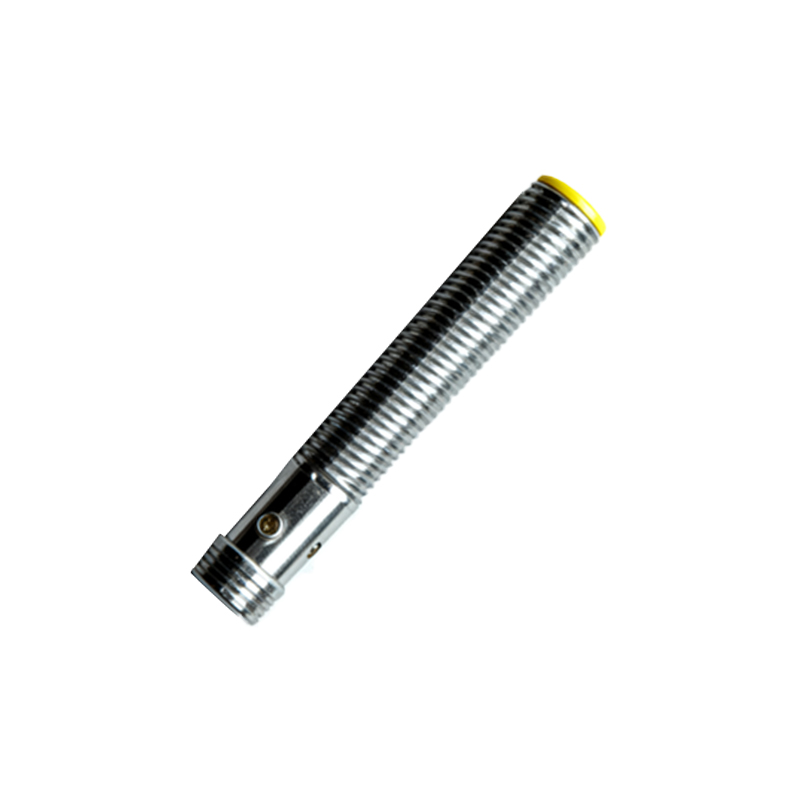
Furthermore, modern systems often integrate multiple sensors to create more complex positioning logic. For instance, two or more sensors can be used to determine not just presence, but also the direction of movement or the size of an object passing by. This data is fed into a Programmable Logic Controller (PLC) or a microcontroller, which interprets the signals and commands actuators accordingly. The robustness of these sensors is another significant advantage. With no moving parts and often housed in rugged, sealed casings, they are highly resistant to vibration, moisture, and contaminants, making them ideal for harsh industrial environments.
When designing a system, engineers must also account for potential interference. Inductive sensors can interfere with each other if mounted too closely. Photoelectric sensors can be fooled by ambient light or highly reflective surfaces. Understanding these limitations and following manufacturer guidelines for minimum mounting distances and environmental specifications is essential for reliable operation. Calibration is a final, crucial step, especially for analog sensors that provide a continuous distance output, to ensure the voltage or current signal accurately corresponds to the physical position.
From simple object detection to enabling complex, coordinated robotic movements, proximity sensor positioning is a silent yet indispensable technology. Its continued evolution, with trends toward miniaturization, increased intelligence (IO-Link), and higher precision, promises to further expand its role in building smarter, more efficient, and safer automated systems across every industry. By selecting the right sensor, installing it correctly, and integrating it thoughtfully into a control system, engineers can unlock high levels of automation and precision that drive modern manufacturing and innovation.