In today's rapidly evolving industrial landscape, the demand for automation and precision has never been higher. Among the myriad of technologies driving this transformation, proximity sensors stand out as a critical component. These devices, designed to detect the presence or absence of an object without physical contact, are revolutionizing how machines interact with their environments. As industries seek to optimize operations, reduce downtime, and enhance safety, the promotion of advanced proximity sensors becomes paramount. This article delves into the significance of these sensors, their applications, and the compelling reasons for their widespread adoption.
Proximity sensors operate on various principles, including inductive, capacitive, ultrasonic, and optical technologies. Inductive sensors, for instance, are ideal for detecting metallic objects in manufacturing lines, while capacitive sensors can identify materials like plastics or liquids. Ultrasonic sensors excel in measuring distances and detecting transparent objects, and optical sensors use light beams for high-precision applications. Each type offers unique advantages, making them suitable for diverse industrial settings. By eliminating mechanical contact, these sensors minimize wear and tear, leading to longer equipment lifespans and reduced maintenance costs. Their ability to function in harsh conditions—such as extreme temperatures, dust, or moisture—further underscores their reliability.
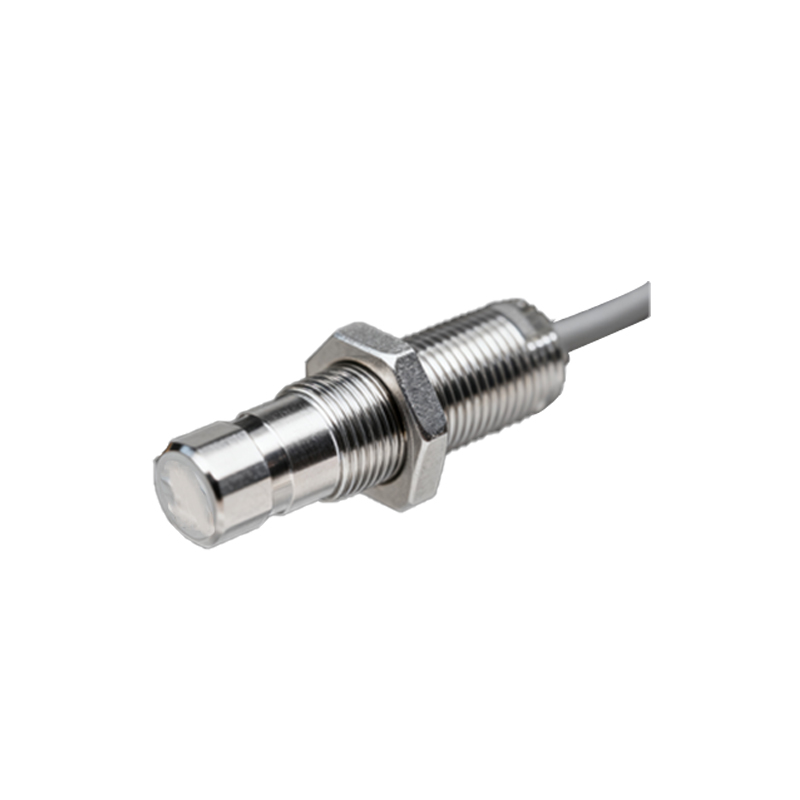
The applications of proximity sensors span across multiple sectors. In automotive manufacturing, they ensure precise positioning of components on assembly lines, improving quality control. In packaging industries, sensors detect product presence to streamline filling and sealing processes. The food and beverage sector relies on them for hygiene-sensitive tasks, as non-contact detection prevents contamination. Moreover, in logistics and warehousing, proximity sensors facilitate automated guided vehicles (AGVs) and inventory management systems, boosting efficiency. Beyond industrial uses, these sensors are integral to consumer electronics, enabling features like touchless faucets, smartphone screen activation, and anti-pinch mechanisms in windows.
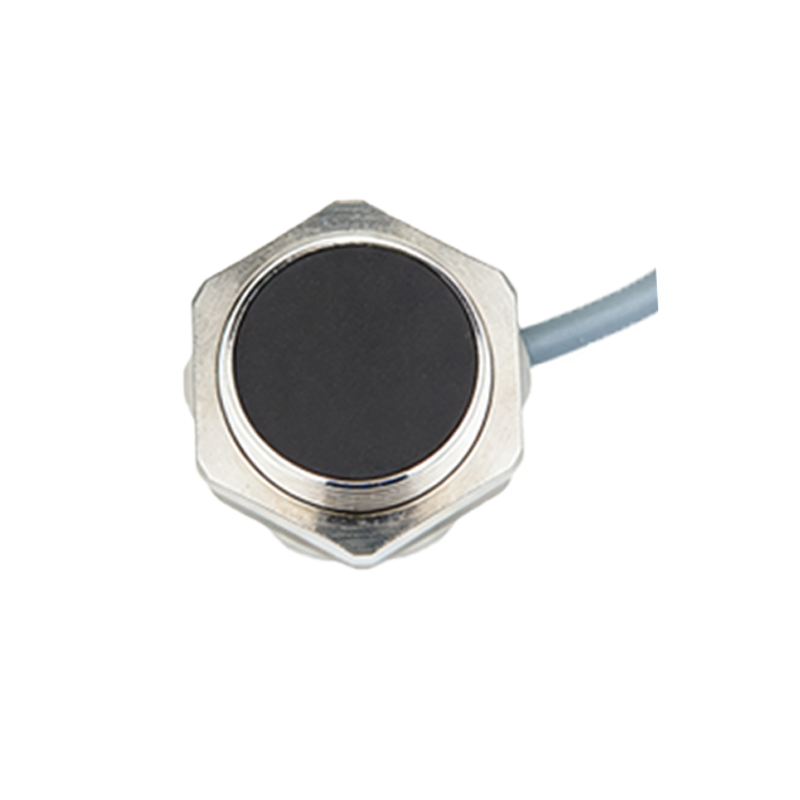
Promoting proximity sensors involves highlighting their economic and operational benefits. Companies investing in these technologies often experience a swift return on investment (ROI) through enhanced productivity. For example, by integrating sensors into machinery, manufacturers can achieve faster cycle times and reduce errors, leading to higher output with fewer resources. Safety is another compelling factor; sensors can trigger emergency stops or alerts when humans approach hazardous zones, preventing accidents and ensuring compliance with regulations like OSHA standards. Additionally, the data collected from sensors can be leveraged for predictive maintenance, allowing teams to address potential issues before they cause breakdowns, thus minimizing unplanned downtime.
The market for proximity sensors is growing, driven by trends such as Industry 4.0 and the Internet of Things (IoT). Smart factories increasingly deploy sensor networks to create interconnected systems that communicate in real-time, enabling adaptive manufacturing processes. As sensors become more affordable and sophisticated, small and medium-sized enterprises (SMEs) can also adopt them to compete effectively. However, successful promotion requires addressing common challenges, such as selecting the right sensor for specific applications and providing adequate training for personnel. Suppliers and integrators play a key role by offering tailored solutions, technical support, and case studies that demonstrate tangible outcomes.
Looking ahead, innovations in proximity sensing technology promise even greater advancements. Developments in miniaturization, energy efficiency, and integration with artificial intelligence (AI) are set to expand their capabilities. For instance, AI-enhanced sensors can learn from environmental patterns to improve accuracy and reduce false triggers. As sustainability gains emphasis, sensors contribute to energy conservation by optimizing machine operations and reducing waste. Ultimately, the promotion of proximity sensors is not just about selling a product; it's about advocating for a smarter, safer, and more efficient industrial future. By embracing these devices, businesses can unlock new levels of performance and resilience in an increasingly competitive world.