2026-05-07
Tech Hub
By 创始人
Comprehensive Guide to Photoelectric Sensor 1139 in Industrial Automation
Product Overview
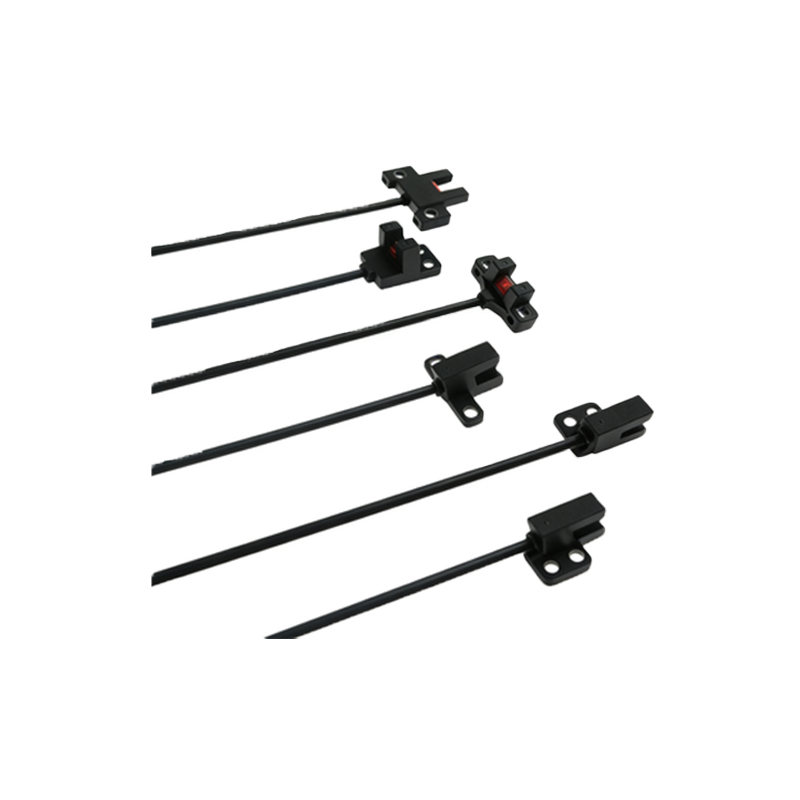
Photoelectric sensor 1139 is a high-performance device designed for precise object detection in industrial environments. It operates on the principle of emitting a light beam and analyzing the reflected or interrupted signal to detect targets. This sensor is widely used in manufacturing lines, packaging systems, and material handling due to its reliability and fast response time.
Key Technical Specifications
The sensor 1139 features a detection range of up to 5 meters with a response time of less than 1 millisecond. It supports both through-beam and retro-reflective modes, ensuring flexibility in various applications. The device operates on a 12-24V DC power supply and includes an IP67-rated housing for dust and water resistance. Its output can be configured as NPN or PNP, making it compatible with most PLC systems.
Installation and Setup
To install the photoelectric sensor 1139, ensure the mounting surface is stable and free from vibration. Align the emitter and receiver in through-beam mode, or position the reflector appropriately for retro-reflective mode. Connect the power supply and output wires according to the wiring diagram provided in the manual. Adjust the sensitivity potentiometer using a screwdriver to fine-tune detection thresholds for your specific application.
Application Examples
In a bottling plant, sensor 1139 is used to detect bottle presence on a conveyor belt, triggering automated filling operations. In automotive assembly, it verifies the correct positioning of components before robotic welding. Its robust design also excels in dusty environments, such as woodworking facilities, where it monitors material flow without frequent cleaning.
Maintenance and Troubleshooting
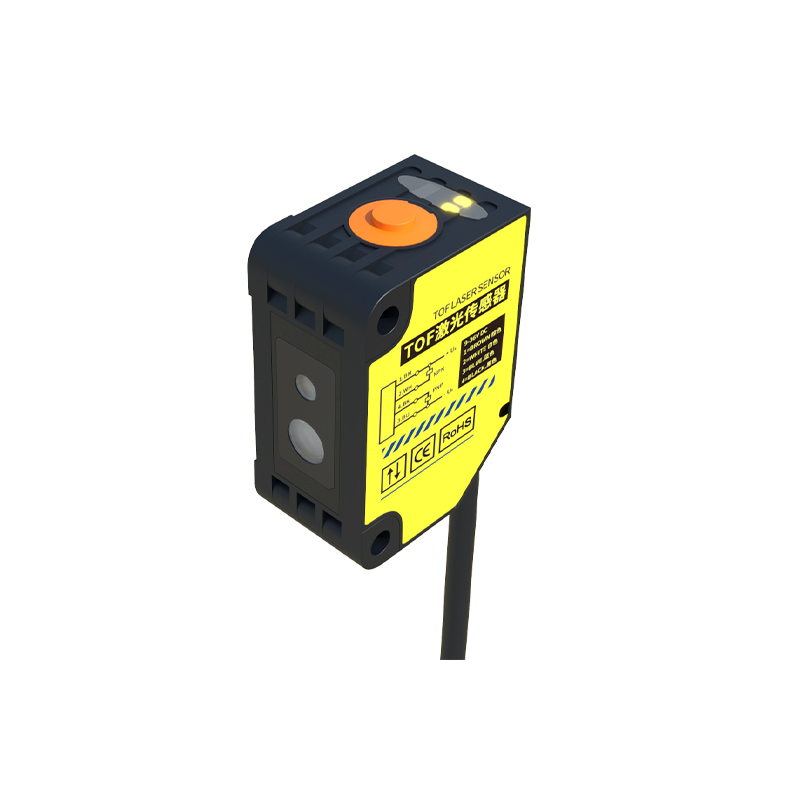
Regularly clean the sensor lens with a soft cloth to prevent dust accumulation. If the sensor fails to detect objects, first check the alignment of the light beam and ensure the reflector is clean. Verify the power supply voltage and output wiring. If issues persist, replace the sensor module by disconnecting power and loosening the mounting screws.
Advantages Over Competing Models
Compared to similar sensors, model 1139 offers superior immunity to ambient light interference and a wider temperature range from -25°C to 60°C. Its energy-efficient design reduces power consumption by 20% compared to older models, and the compact form factor simplifies integration into tight spaces on machinery.
Safety and Compliance
This sensor complies with CE and RoHS standards, ensuring safe operation in industrial settings. It includes reverse polarity protection and short-circuit protection on the output. For high-risk applications, consider using the sensor in conjunction with safety relays to meet ISO 13849 requirements.