Understanding Color Measurement Principles
Color measurement with photoelectric sensors relies on the interaction between light and object surfaces. These sensors typically use RGB (Red, Green, Blue) LED light sources to illuminate the target. The reflected light is captured by a photodetector, which analyzes the intensity of each color component. By comparing the reflected spectrum against a pre-calibrated reference, the sensor determines the dominant color or specific color shade. This non-contact method is ideal for high-speed production lines where precision and repeatability are critical.
Key Components of a Color Sensor System
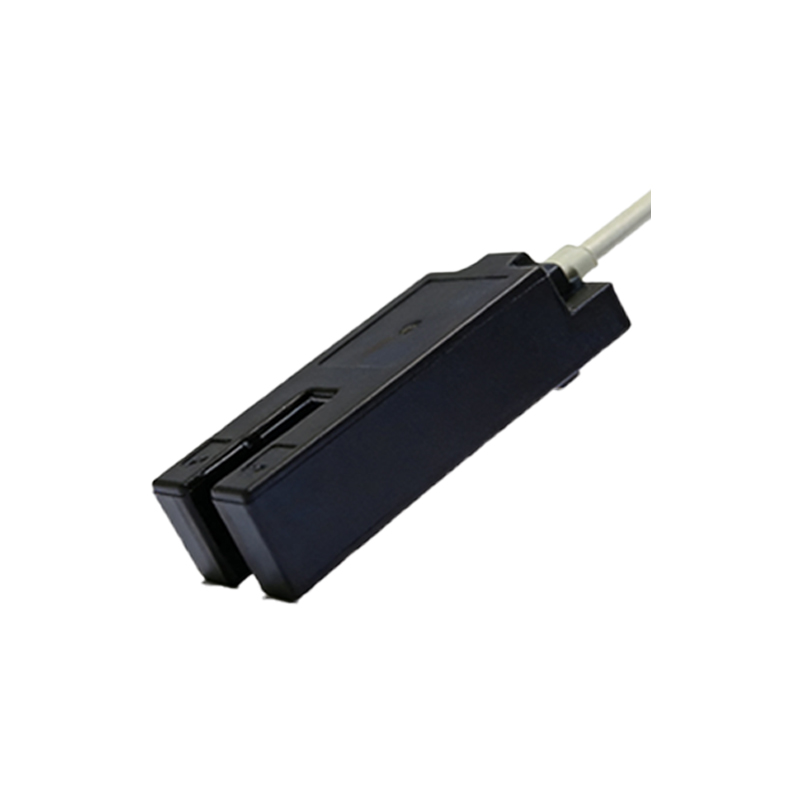
A robust color sensor system includes three main elements: a multi-wavelength light source (often white or RGB LEDs), a photodiode array or color filter matrix, and a microcontroller for data processing. The light source must be stable and uniform to avoid ambient light interference. Advanced sensors incorporate optical filters to minimize noise from external illumination. The microcontroller runs algorithms that map RGB values to standardized color spaces like CIE 1931, enabling accurate color classification.
Calibration and Reference Setup
Proper calibration is essential for reliable color detection. Begin by placing a white reference tile under the sensor to set the baseline for maximum reflectivity. Then, measure the target colors under controlled lighting conditions. For industrial environments, calibrate using multiple reference standards (e.g., grayscale patches) to compensate for temperature drift and sensor aging. Store calibration data in non-volatile memory to ensure consistency across production batches.
Surface Texture and Material Considerations
Surface properties significantly affect color measurement accuracy. Glossy surfaces may cause specular reflections that saturate the photodetector, leading to false readings. In such cases, use diffuse illumination or polarizing filters to reduce glare. Rough or textured materials scatter light unevenly, requiring averaging over multiple measurement cycles. Transparent or translucent objects need a backlighting setup to measure transmitted color rather than reflected color.
Environmental Factors and Noise Reduction
Ambient light, dust, and vibration can degrade sensor performance. Shield the sensor with opaque housings or use modulated light (pulsed LEDs) to filter out steady ambient sources. Implement digital filtering in the microcontroller to remove noise spikes from machinery. For outdoor applications, select sensors with IP67 ratings to withstand moisture and contaminants. Regular cleaning schedules for lenses and reflectors are crucial to maintain accuracy.
Practical Integration in Production Lines
Integrating color sensors into automated systems requires careful timing and triggering. Mount the sensor at a fixed distance (typically 5–30 mm) from the target, perpendicular to the surface. Use high-speed response modes (e.g., 1–10 kHz) for moving objects on conveyor belts. Pair the sensor with PLCs or vision systems for real-time sorting. For example, in food packaging, sensors reject miscolored products while logging data for quality control reports.
Common Challenges and Troubleshooting
Frequent issues include color drift due to LED aging, misalignment from mechanical wear, and false triggers from similar color shades. Conduct periodic verification tests with known reference samples. If readings drift, recalibrate the sensor or replace the light source. For similar colors (e.g., dark blue vs. black), adjust the color tolerance threshold or switch to a spectrometer-based sensor. Document all maintenance activities to trace recurring problems.
Future Trends in Color Sensor Technology
Emerging innovations integrate hyperspectral imaging and AI-driven classification. Hyperspectral sensors capture data across dozens of wavelengths, enabling detection of subtle color variations in textiles or plastics. Machine learning models trained on production data can adapt to new materials without manual recalibration. Wireless connectivity options (e.g., IO-Link) simplify data transmission to centralized monitoring systems, paving the way for Industry 4.0 compliance.