Proximity sensor devices are a fundamental component in modern technology, operating silently in the background to enable countless automated functions. Unlike traditional sensors that require physical contact, these devices detect the presence or absence of an object within a specified range without any touch. This non-contact operation is their defining characteristic, making them ideal for applications where reliability, durability, and hygiene are paramount.
At their core, proximity sensors work by emitting a field or beam of electromagnetic radiation, such as infrared light, ultrasonic sound waves, or an electromagnetic field. The sensor then monitors for changes in this field. When an object enters the detection zone, it disrupts or reflects the emitted signal. This change is detected by the sensor's receiver, which triggers an electronic switch to send a signal to the connected control system. This entire process happens in milliseconds, allowing for real-time response. The two most common types are inductive sensors, which detect metallic objects, and capacitive sensors, which can detect both metallic and non-metallic materials like liquids, plastics, and wood.
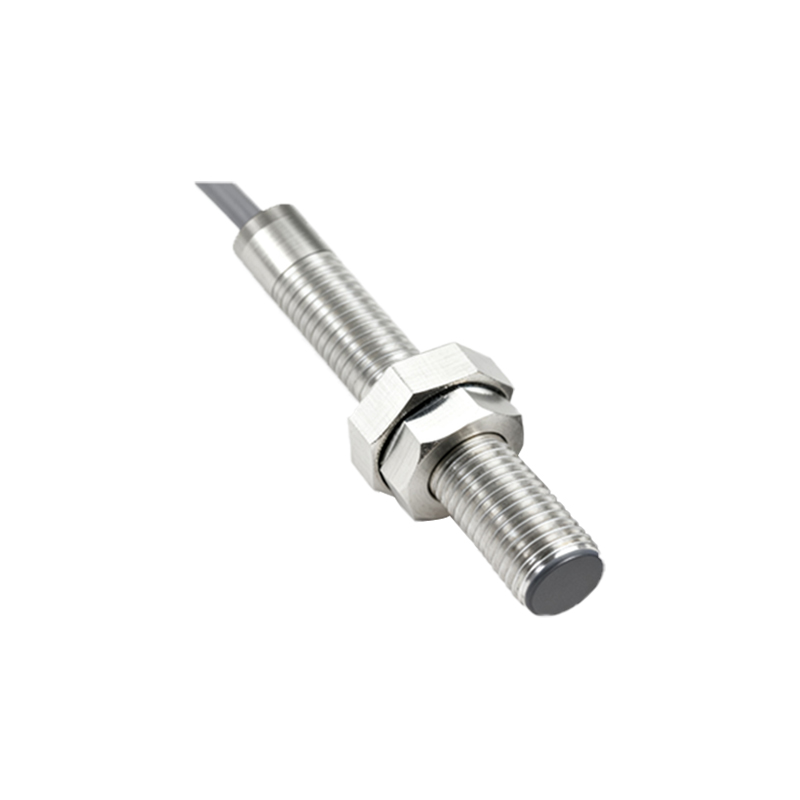
The applications for proximity sensors are vast and touch nearly every industry. In the automotive sector, they are crucial for parking assistance systems, alerting drivers to obstacles that are not visible. They are also embedded in vehicles to detect the presence of a passenger for airbag deployment control. Within industrial automation and manufacturing, these sensors are the workhorses of assembly lines. They count products, detect the position of machine parts, ensure proper packaging levels, and provide critical safety measures by ensuring machine guards are in place before operation begins. This not only increases efficiency but also significantly enhances worker safety.
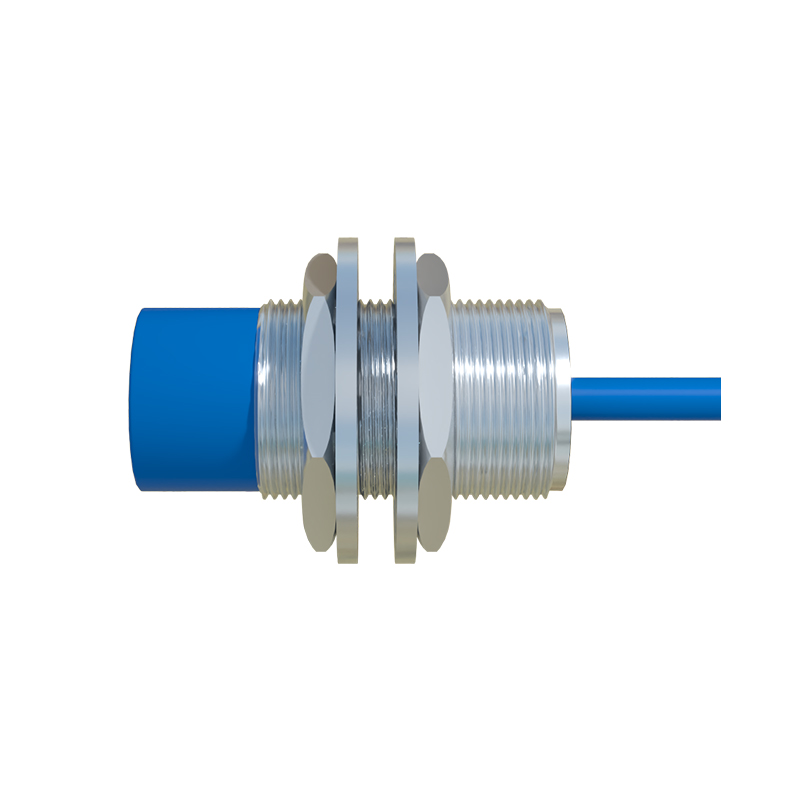
Consumer electronics heavily rely on miniature proximity sensors. A common example is in smartphones and tablets, where a sensor detects when the device is held close to the user's ear during a call. It then automatically turns off the touchscreen display to prevent accidental cheek-presses and saves battery power. Similarly, automatic faucets and soap dispensers in public restrooms use infrared proximity sensors to activate water flow, promoting hygiene and conservation. In the realm of home appliances, they enable hands-free operation of trash can lids or control panels on modern ovens.
Beyond these common uses, proximity sensors enable more advanced systems. They are integral to robotics, allowing robots to navigate and interact with their environment by avoiding collisions. In the security industry, they form part of intrusion detection systems, creating invisible barriers around sensitive areas. Retail environments use them to trigger welcome messages or informational displays when a customer approaches a kiosk.
Selecting the right proximity sensor involves considering several factors: the nature of the target material (metal, plastic, liquid), the required sensing distance, the operating environment (exposure to dust, moisture, or extreme temperatures), and the required response speed. For instance, a washdown food processing plant would require a sealed, corrosion-resistant sensor, while a high-speed packaging line would need one with an extremely fast response time.
The future of proximity sensing continues to evolve with advancements in technology. Sensor fusion, which combines data from proximity sensors with other sensors like cameras or LiDAR, is enabling more sophisticated context-aware systems in autonomous vehicles and smart cities. Furthermore, the development of smaller, more energy-efficient, and more affordable sensors is paving the way for their integration into the Internet of Things (IoT), embedding intelligence into everyday objects.
In summary, proximity sensor devices are indispensable enablers of automation, safety, and convenience. Their ability to provide reliable, non-contact detection makes them a silent yet powerful force behind the seamless operation of machines, vehicles, and smart devices that define contemporary life. As technology progresses, their role is set to become even more pervasive and intelligent.