In the realm of industrial automation and electronic control, proximity sensors play a pivotal role in detecting the presence or absence of objects without physical contact. Among the various types, NPN proximity sensors stand out as a fundamental and widely utilized component. This guide delves into the operational principles, wiring configurations, practical applications, and key considerations for selecting and implementing these essential devices.
At its core, an NPN proximity sensor is a solid-state electronic device. The "NPN" designation refers to the type of transistor used in its output switching circuit. An NPN transistor allows current to flow from the load to the sensor's output terminal when activated. In simpler terms, when the sensor detects a target within its sensing range, its output transistor switches "ON," effectively connecting the output wire to the common or negative voltage line (typically 0V or ground). This is why NPN outputs are often described as "sinking" outputs; they sink current from the load to ground.
Understanding the wiring is crucial for correct integration. A standard three-wire DC NPN proximity sensor has three connections: Brown wire (V+ or positive supply), Blue wire (0V or common/ground), and Black wire (the output signal). In a typical circuit, the Brown wire connects to the positive DC voltage source (e.g., +24V), and the Blue wire connects to the negative/ground of the same source. The Black output wire is connected to one side of the load (such as a PLC input, relay coil, or indicator lamp). The other side of this load must then be connected to the positive supply voltage. When the sensor activates, it completes the circuit for the load by connecting it to ground through the Black wire, allowing current to flow and activating the load.
This contrasts with PNP sensors, which have "sourcing" outputs. The choice between NPN and PNP often depends on regional conventions and the control system's design. NPN sensors are traditionally more common in Asian and European markets for DC circuits, while PNP is frequently preferred in North America. The decision also hinges on the input type of the controller (e.g., a PLC); some are better suited for sinking (NPN) inputs, while others are designed for sourcing (PNP) inputs.
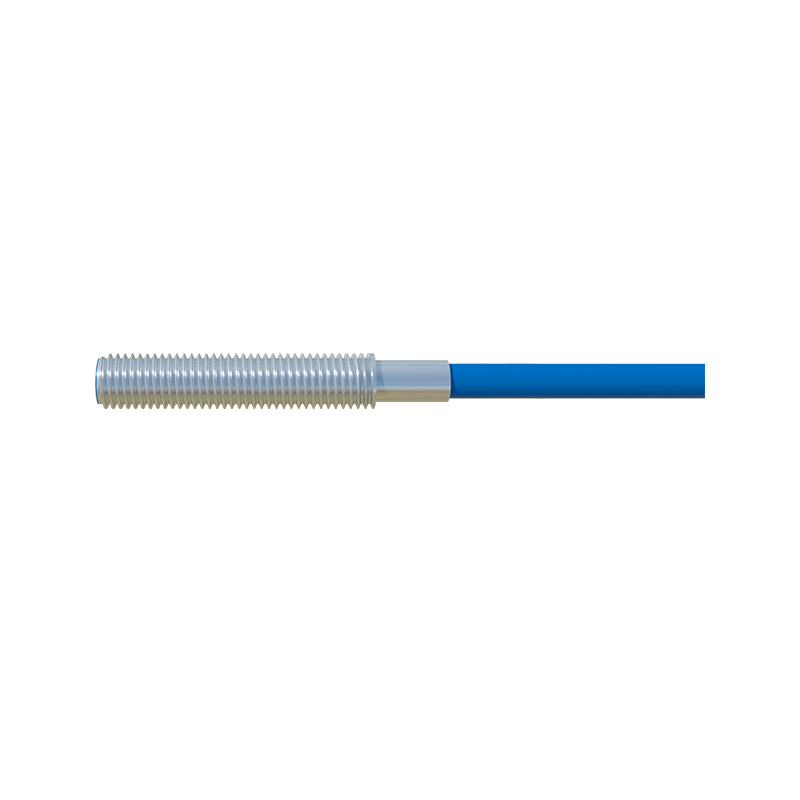
NPN proximity sensors are renowned for their robustness, fast response times, and long operational life, as they have no moving parts subject to mechanical wear. They are commonly used across numerous industries. Typical applications include object detection on conveyor belts, counting products, determining the position of machine parts (like cylinders), and as safety interlocks. Inductive NPN sensors detect metallic objects, while capacitive versions can detect non-metallic materials like liquids, plastics, or wood. Photoelectric NPN sensors use light beams for detection over longer distances.
When selecting an NPN proximity sensor, several factors must be evaluated. The sensing range, which is the maximum distance at which it can reliably detect a standard target, is a primary specification. The target material dictates whether an inductive, capacitive, or photoelectric type is needed. The housing material (often nickel-plated brass, stainless steel, or PBT plastic) should be chosen based on the environmental conditions, considering factors like exposure to chemicals, moisture, or physical impact. Other critical specifications include the operating voltage range, output current capacity, response frequency, and protection ratings like IP67 for dust and water resistance.
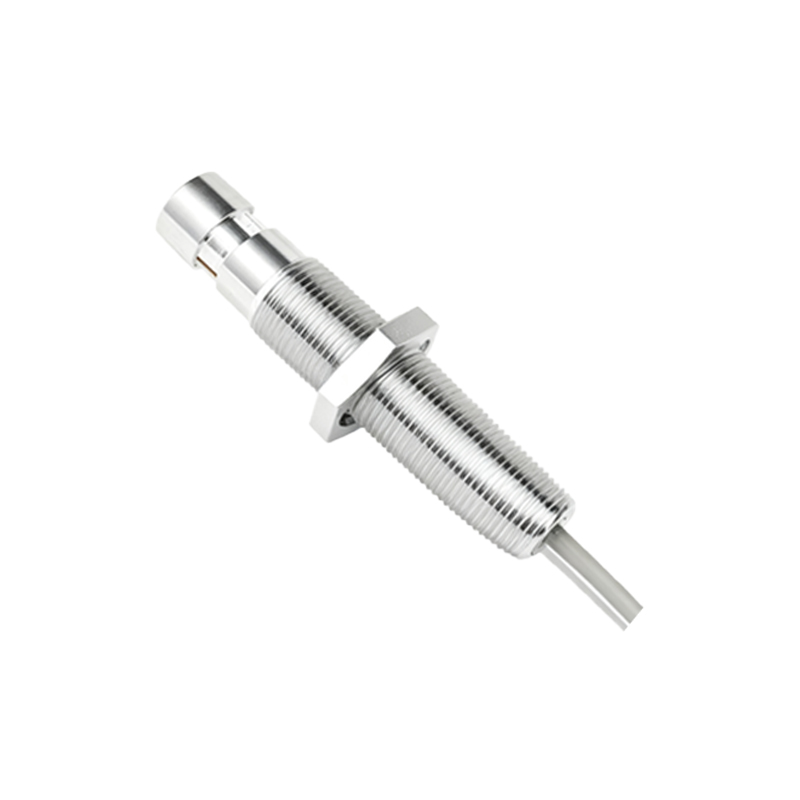
Installation and maintenance are generally straightforward. Ensuring proper alignment, avoiding sensor-to-sensor interference, and providing a stable, clean power supply are key to reliable operation. It is also vital to ensure that the load connected to the sensor does not exceed its maximum current rating, often protected by adding an external fuse or circuit breaker.
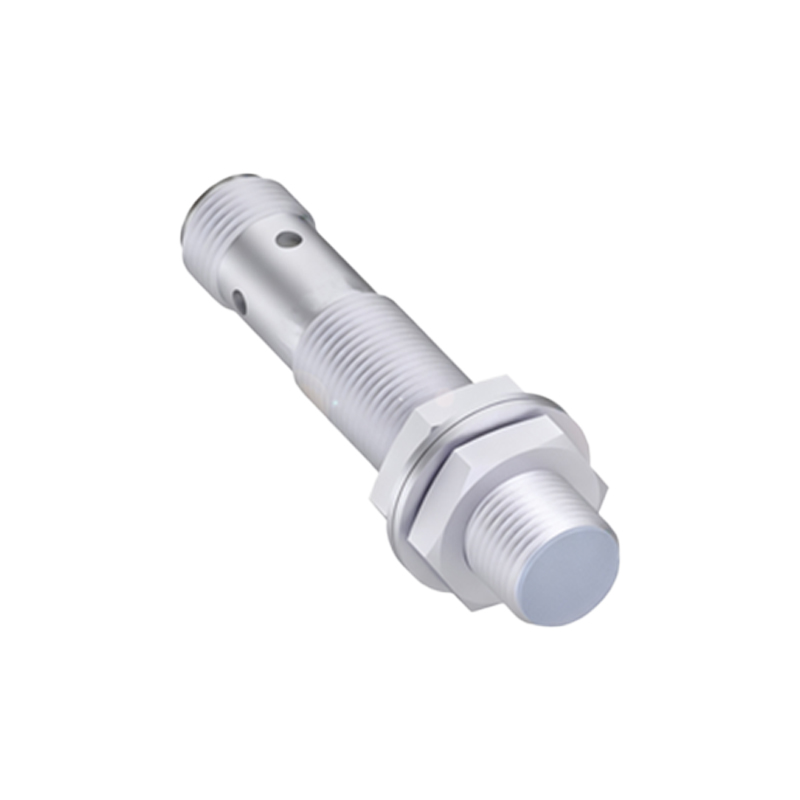
In summary, NPN proximity sensors are indispensable workhorses in modern automation. Their sinking output configuration provides a reliable and efficient method for interfacing detection events with control systems. By grasping their working principle, wiring methodology, and application nuances, engineers and technicians can effectively harness their capabilities to create more efficient, safe, and intelligent automated systems. As technology advances, these sensors continue to evolve with enhanced features like longer sensing ranges, miniaturization, and improved noise immunity, solidifying their role in the future of industrial innovation.