Proximity sensor SMD (Surface Mount Device) technology represents a significant leap forward in the field of non-contact detection and automation. These compact, surface-mountable components have become indispensable in modern electronics, enabling sophisticated sensing capabilities in increasingly miniaturized and complex devices. Unlike their through-hole predecessors, SMD proximity sensors are designed for high-speed automated assembly, offering superior reliability, reduced board space, and enhanced performance in demanding applications.
The core principle of an SMD proximity sensor involves detecting the presence or absence of a target object without physical contact. This is typically achieved through various methods, with inductive and capacitive sensing being the most prevalent for SMD formats. Inductive SMD sensors generate an electromagnetic field and detect changes caused by metallic objects. They are exceptionally robust, immune to environmental factors like dust or oil, and are widely used in industrial automation for position sensing, counting, and speed detection. Capacitive SMD sensors, on the other hand, detect changes in capacitance caused by both conductive and non-conductive materials, including liquids and plastics. This makes them ideal for level detection, touch interfaces, and material composition analysis in consumer electronics and appliances.
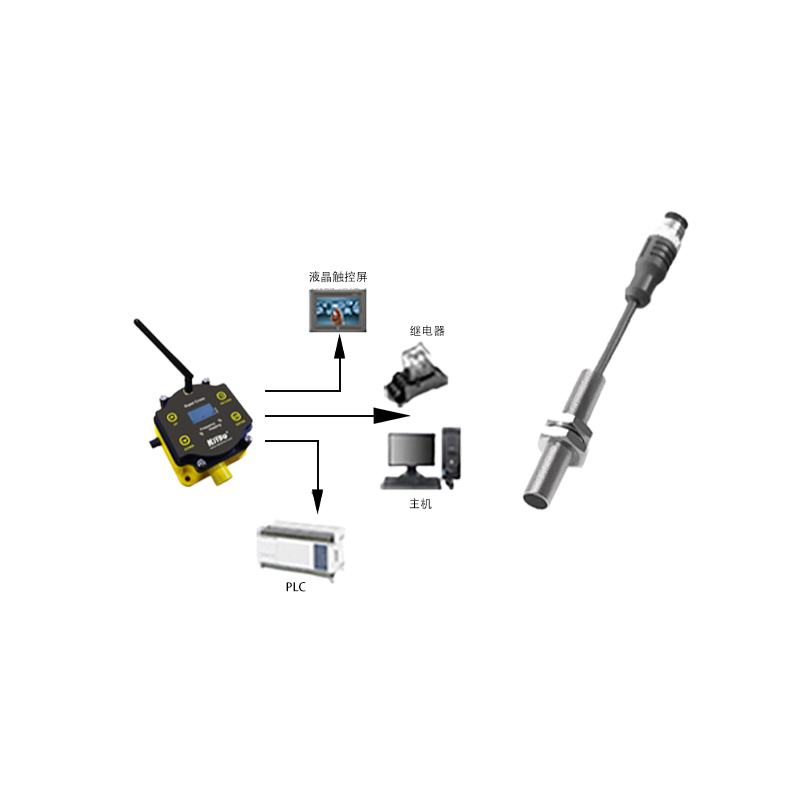
The advantages of the SMD package are manifold. The small footprint allows for dense PCB (Printed Circuit Board) layouts, which is critical for smartphones, tablets, wearable devices, and advanced driver-assistance systems (ADAS) in automobiles. The low profile contributes to sleek product designs. Furthermore, SMD construction improves mechanical stability by soldering the sensor directly to the board, reducing failure points from vibration or shock. The manufacturing process benefits from fully automated pick-and-place machines, ensuring consistent quality and lower production costs at high volumes.
Selecting the right proximity sensor SMD requires careful consideration of several parameters. Sensing range is paramount; while SMD sensors generally offer shorter ranges (from a few millimeters to about 15mm) compared to larger housed sensors, they are perfectly suited for precise, close-range detection. The target material dictates the choice between inductive and capacitive types. Electrical characteristics such as operating voltage, output type (digital PNP/NPN or analog), and current consumption are crucial for circuit integration. Environmental conditions like operating temperature and potential exposure to contaminants must also be evaluated to ensure long-term reliability.
Real-world applications are diverse and growing. In consumer electronics, SMD proximity sensors disable touchscreens when a phone is held to the ear, conserving power and preventing accidental inputs. In robotics, they provide precise feedback for arm positioning and obstacle avoidance. Automotive systems use them for seat occupancy detection, gear shift position sensing, and in-cabin gesture control. Industrial machinery relies on them for part verification on conveyor belts, spindle positioning, and door interlock safety systems. The medical field utilizes them in compact diagnostic equipment and infusion pumps for non-contact detection of components or fluids.
The future trajectory of proximity sensor SMD technology points toward even greater integration and intelligence. We are seeing the emergence of sensors with integrated microcontrollers (SoC - System on Chip) that offer digital output, programmability, and diagnostic features in a single package. Advancements in materials and chip design are pushing the limits of sensitivity and range while further reducing power consumption, which is vital for battery-powered Internet of Things (IoT) devices. As industries continue to demand smarter, smaller, and more efficient solutions, the role of the proximity sensor SMD will only become more central, driving innovation across the entire spectrum of electronic design and automation.