In the rapidly evolving landscape of industrial automation, consumer electronics, and automotive safety, proximity sensor companies play a pivotal role. These firms develop and supply the critical components that enable machines and devices to detect the presence or absence of nearby objects without any physical contact. The technology, rooted in principles of electromagnetic fields, infrared light, or ultrasonic sound waves, has become indispensable. From ensuring your smartphone screen turns off when held to your ear to preventing robotic arms from colliding on a factory floor, the applications are vast and growing.
The market is characterized by a diverse mix of established conglomerates and agile specialized innovators. Leading the charge are multinational electronics giants like Omron, Panasonic, and Siemens. These companies leverage their extensive R&D capabilities and global supply chains to produce robust, high-reliability sensors for harsh industrial environments. Their products are often the backbone of manufacturing automation, providing the "sense of touch" for programmable logic controllers (PLCs) and complex machinery. Reliability, longevity, and compatibility with industrial communication protocols are their hallmarks.
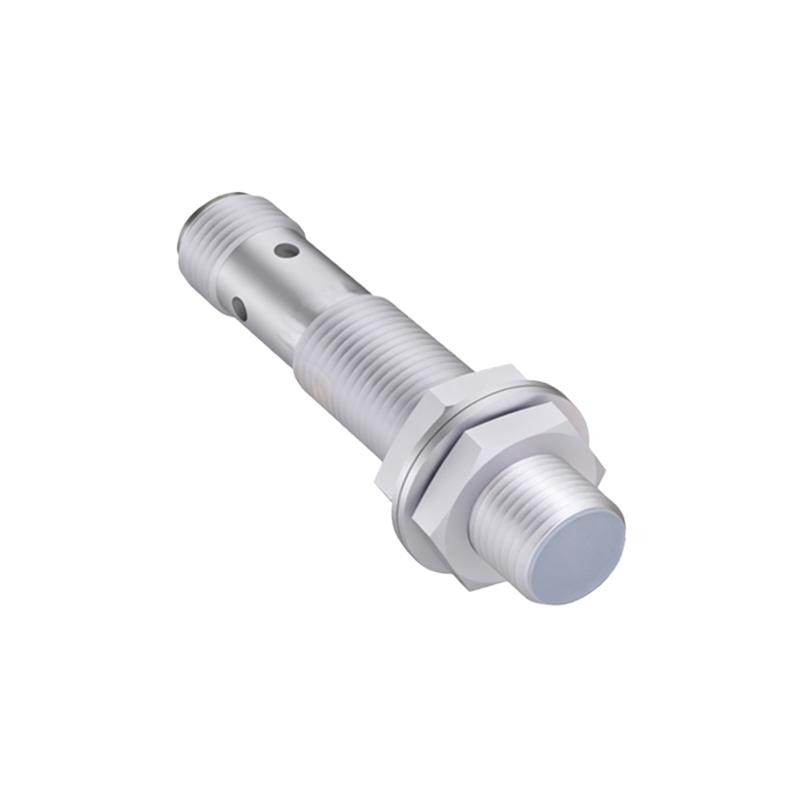
Simultaneously, a wave of specialized sensor technology firms, such as Balluff, Pepperl+Fuchs, and ifm electronic, have carved out significant niches. These companies frequently focus on specific industries or advanced applications, offering high-precision, innovative solutions. For instance, some excel in hygienic designs for food and beverage processing, while others pioneer miniaturized sensors for intricate assembly tasks. Their strength lies in deep application engineering support and the ability to customize solutions for unique customer challenges, from detecting transparent films on packaging lines to ensuring precise positioning in semiconductor fabrication.
The automotive sector represents another major frontier, driven by the demands of advanced driver-assistance systems (ADAS) and autonomous vehicle development. Companies like TE Connectivity and Vishay Intertechnology are key suppliers, producing sensors that enable features like automatic parking, blind-spot detection, and pedestrian avoidance. These sensors must meet extreme standards for accuracy, response time, and durability across a wide temperature range. The innovation here is relentless, pushing towards smaller, more power-efficient, and more cost-effective designs to suit mass production.
Beyond traditional industry, the proliferation of the Internet of Things (IoT) and smart devices has opened new avenues. Proximity sensing is now integral to smart home appliances, wearable devices, and interactive retail displays. This has attracted semiconductor companies like STMicroelectronics and Texas Instruments, which provide the underlying integrated circuits and development kits. They empower a broader ecosystem of device manufacturers to incorporate proximity sensing functionality, often combining it with ambient light sensing or gesture recognition on a single chip.
The competitive dynamics among these companies are shaped by several key trends. First, there is a continuous drive towards miniaturization and integration. Sensors are becoming smaller while incorporating more intelligence, such as onboard diagnostics and digital output. Second, the demand for higher precision and longer sensing ranges is constant, particularly in logistics automation and material handling. Third, the industry is increasingly focused on developing sensors that can operate reliably in challenging conditions—whether that means complete immunity to environmental factors like dust, steam, and vibration, or the ability to detect unconventional materials.
Choosing the right proximity sensor company depends heavily on the application. For large-scale industrial automation with a need for global service and support, the established giants offer a safe bet. For complex, non-standard problems requiring a tailored approach, specialized manufacturers provide superior expertise. Meanwhile, for high-volume consumer electronics projects, partnering with semiconductor providers for chip-level solutions is often the most strategic path.
Looking ahead, the future for proximity sensor companies is intertwined with advancements in artificial intelligence and machine learning. Smart sensors that not only detect presence but also classify objects or predict maintenance needs are on the horizon. Furthermore, the expansion of collaborative robotics (cobots), which work safely alongside humans, will demand a new generation of sophisticated, safety-rated proximity sensors. Companies that invest in these next-generation technologies, while maintaining the core virtues of quality and reliability, will define the next chapter of this essential industry.