In the realm of industrial automation and smart manufacturing, proximity sensors have become indispensable components. These non-contact detection devices are crucial for ensuring safety, precision, and efficiency in everything from robotic arms to assembly lines. However, the performance and reliability of a proximity sensor are fundamentally determined by the quality of its manufacturing. This is where specialized proximity sensor machining centers come into play, representing the pinnacle of precision engineering dedicated to producing these critical components.
A proximity sensor machining center is not a standard CNC machine; it is a highly integrated system designed specifically for the unique requirements of sensor housing and component production. These centers typically combine high-precision milling, drilling, and finishing operations in a single, controlled environment. The core challenge in machining sensor parts lies in achieving exceptional dimensional accuracy and superior surface finishes. Even micron-level deviations or minor surface imperfections can affect the sensor's sensing field, calibration, and long-term stability. Therefore, these machining centers are built with rigid frames, high-speed spindles capable of ultra-fine cuts, and advanced thermal stability systems to minimize distortion during the machining process.
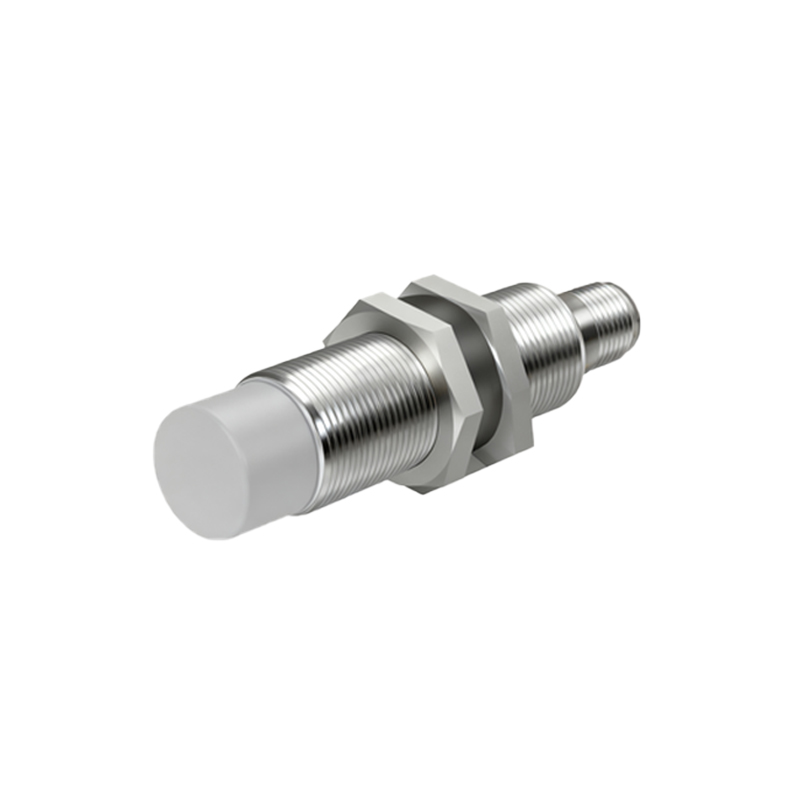
The workflow within such a center is a testament to modern manufacturing flow. It often begins with the automated loading of raw materials, typically specialized alloys, stainless steels, or engineered plastics known for their durability and consistent electromagnetic properties. The machining process is governed by sophisticated Computer-Aided Manufacturing (CAM) software, which translates design specifications into flawless tool paths. Key operations include the precise boring of the sensor body to exact diameters, the threading for secure mounting, and the critical facing operations that ensure perfect sealing surfaces for protective covers or lenses. For inductive or capacitive sensors, the machining of the sensing face requires particular attention, as its geometry and finish directly influence detection characteristics.
Beyond mere cutting, a state-of-the-art proximity sensor machining center incorporates in-process quality control. Probing systems automatically measure critical dimensions between machining steps, allowing for real-time tool wear compensation and ensuring that every part meets stringent tolerances without exception. This closed-loop feedback is essential for achieving the near-zero defect rates demanded by automotive, aerospace, and medical equipment manufacturers who are primary end-users of high-grade sensors.
The advantages of utilizing a dedicated machining center are manifold. First and foremost is consistency. By consolidating multiple machining operations into one setup, the risk of errors from part handling and re-fixturing is eliminated. This leads to higher throughput and lower per-unit costs at scale. Secondly, the controlled environment protects sensitive semi-finished components from contaminants like dust or oil mist, which could compromise sensor function. Finally, these centers enable greater design flexibility. Engineers can design more complex, integrated sensor housings knowing that a capable machining center can produce them reliably, paving the way for miniaturization and enhanced performance.
As Industry 4.0 advances, the next generation of these machining centers is becoming increasingly connected. They are equipped with IoT sensors themselves, feeding data on spindle health, tool life, and production metrics into central manufacturing execution systems (MES). This predictive maintenance and data analytics capability minimizes unplanned downtime, ensuring a continuous and optimized production flow for the sensors that, in turn, enable automation across the globe.
In conclusion, the proximity sensor machining center is a specialized and critical enabler of modern technology. It bridges the gap between sophisticated electronic design and physical reality, transforming raw materials into the flawless, reliable components that form the sensory nervous system of automated industry. Their continued evolution towards greater precision, intelligence, and integration will directly support the development of more advanced and dependable automation solutions for the future.