In the world of industrial automation and machinery, the ability to detect the presence or absence of an object without physical contact is fundamental. Among the various technologies available, mechanical proximity sensors stand out for their simplicity, reliability, and cost-effectiveness. Unlike their electronic counterparts, such as inductive or capacitive sensors, these devices operate on a purely physical principle, making them a robust choice for many demanding environments.
At its core, a mechanical proximity sensor is a switch. It is activated by the physical movement of a component, typically a plunger, lever, or roller, which is displaced when it comes into contact with a target object. This mechanical movement directly opens or closes an electrical circuit. The most common internal mechanism is a set of contacts—either normally open (NO) or normally closed (NC)—that change state when the actuator is pressed. This straightforward action generates a clear electrical signal that can be used to stop a conveyor, count items, signal a limit position, or initiate the next step in a sequence.
The defining characteristic of these sensors is their direct, physical operation. There is no complex electronics interpreting magnetic fields or capacitance changes. This simplicity translates into significant advantages. First is exceptional durability. With no sensitive electronic components inside, they can withstand harsh conditions including severe vibrations, temperature extremes, and even environments with strong electromagnetic interference (EMI) that would disrupt electronic sensors. Their robust construction often features metal housings and sealed designs, making them resistant to dust, oil, and coolants commonly found in machine shops and manufacturing plants.
Another key benefit is insensitivity to the target material. Whether the object is metallic, plastic, wooden, or ceramic, if it can physically move the actuator, it will be detected. This makes them incredibly versatile for applications where the target material varies. Furthermore, they are generally easy to install and troubleshoot. A technician can often diagnose a problem by simply observing the physical movement of the actuator and checking for continuity with a basic multimeter.
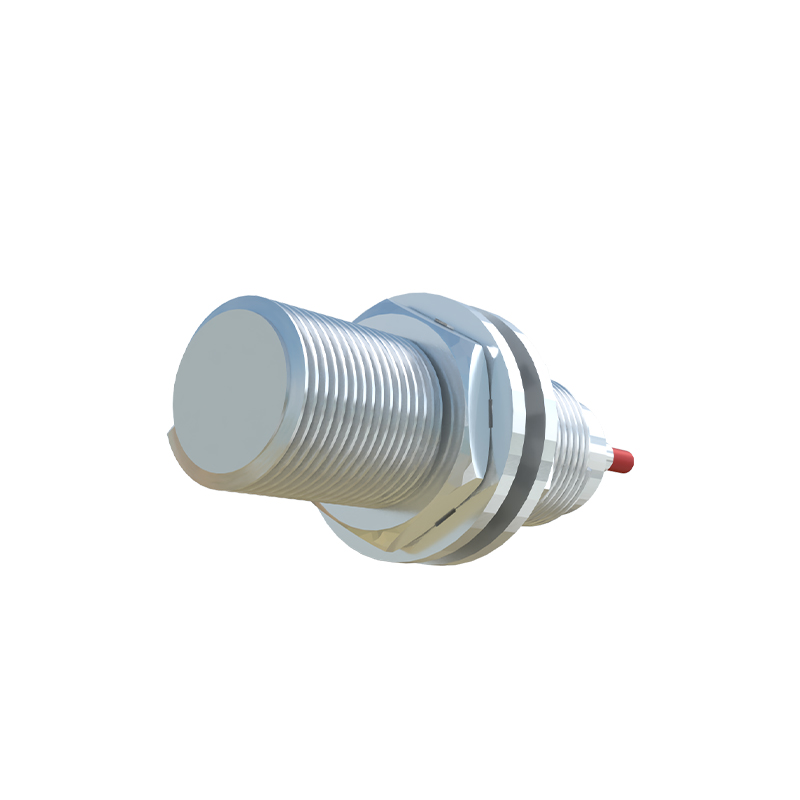
However, this mechanical nature also imposes certain limitations. The primary drawback is physical wear. Since the mechanism involves moving parts that make and break contact, they are subject to mechanical fatigue over millions of cycles. The contacts can eventually wear out or become pitted, leading to potential failure. This makes them less suitable for ultra-high-speed applications where extremely fast cycling is required, as the mechanical movement has inherent speed limits. Additionally, because they require physical contact, albeit often very light, they are not suitable for detecting fragile objects or applications where any contact is undesirable.
So, where are these workhorses most effectively deployed? Their application is widespread across industries. A classic use is as a limit switch on machine tools. For example, on a milling machine or a robotic arm, mechanical proximity sensors define the safe travel limits, physically stopping movement to prevent damage. In material handling, they are mounted along conveyors to detect the passage of boxes or products for counting and sorting operations. They are also common in safety systems, such as interlock switches on machine guards, where the physical opening of a door must reliably cut power. In automotive assembly lines, their robustness against EMI and contaminants makes them ideal for numerous positioning and verification tasks.
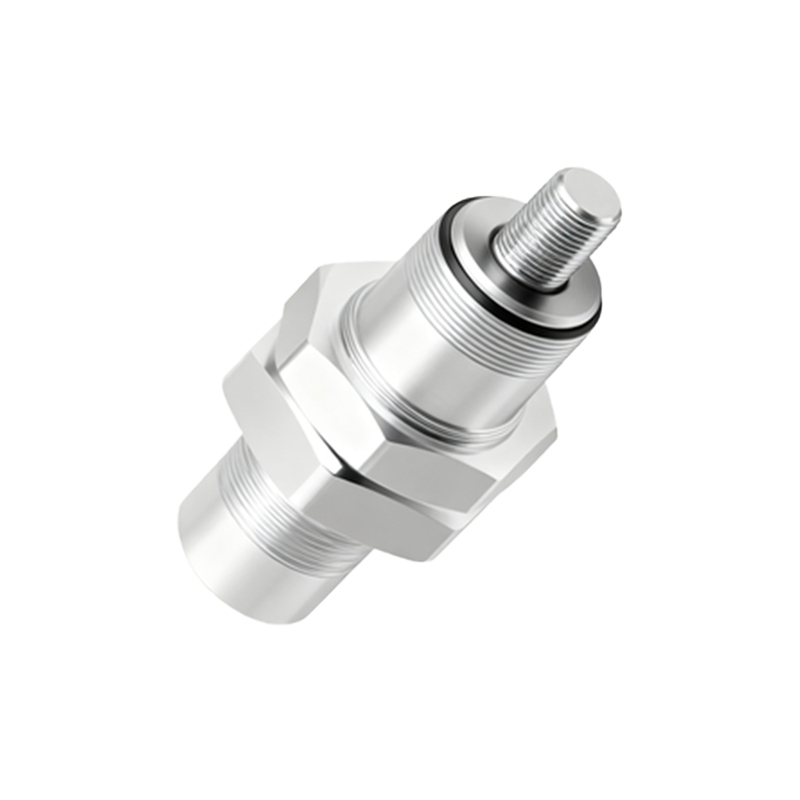
When selecting a mechanical proximity sensor, several factors must be considered. The actuator style—plunger, roller lever, or wobble stick—should match the direction and type of contact with the target. The electrical rating (voltage and current, both AC and DC) must be compatible with the control circuit. The housing material and ingress protection (IP) rating are critical for the operating environment. Finally, the expected lifecycle, measured in mechanical operations, should align with the application's demands.

In conclusion, mechanical proximity sensors represent a timeless and essential technology in automation. Their principle of operation is elegantly simple, trading the high precision and contactless detection of electronic sensors for unparalleled ruggedness, material insensitivity, and cost savings. For applications in tough industrial settings where reliability under duress is paramount, and where physical contact is acceptable, they remain an indispensable and often optimal choice. Understanding their working principle, strengths, and limitations allows engineers and technicians to deploy them effectively, ensuring reliable machine operation for years to come.