Proximity sensors have quietly revolutionized how machines interact with the physical world. These unassuming electronic components detect the presence or absence of nearby objects without any physical contact, enabling smarter, safer, and more efficient systems. From the smartphone that dims its screen when held to your ear to the factory robot that avoids collisions, proximity sensing is a foundational technology. For engineers, students, and hobbyists, building projects with these sensors offers a perfect blend of practical electronics and creative problem-solving.
The core principle behind most proximity sensors involves emitting a field or beam and detecting changes in its return signal. Common types include Inductive sensors, ideal for detecting metallic objects in industrial settings; Capacitive sensors, which can sense both metallic and non-metallic materials like plastic or liquid; and Infrared (IR) sensors, which use light beams and are popular in consumer electronics. Ultrasonic sensors, which measure distance using sound waves, also fall under this broad category. Choosing the right type is the first critical step in any project.
One of the most rewarding entry points is creating a simple touchless switch. Using an IR proximity sensor module with a microcontroller like an Arduino, you can build a switch activated by a wave of the hand. This project teaches sensor calibration, digital input reading, and basic control logic. It has immediate practical applications, such as controlling a desk lamp or a fan in a workshop, promoting hygiene by eliminating physical contact.
For those interested in home automation, integrating a capacitive proximity sensor into a desk can create a "presence-aware" workspace. The sensor, concealed under the wooden surface, can detect when a person is seated. This can trigger a chain of events: turning on the monitor, adjusting smart lights, or even starting a background music playlist. This project delves into sensor sensitivity tuning and integration with home automation platforms like Home Assistant or MQTT protocols, bridging the gap between a simple circuit and a smart ecosystem.
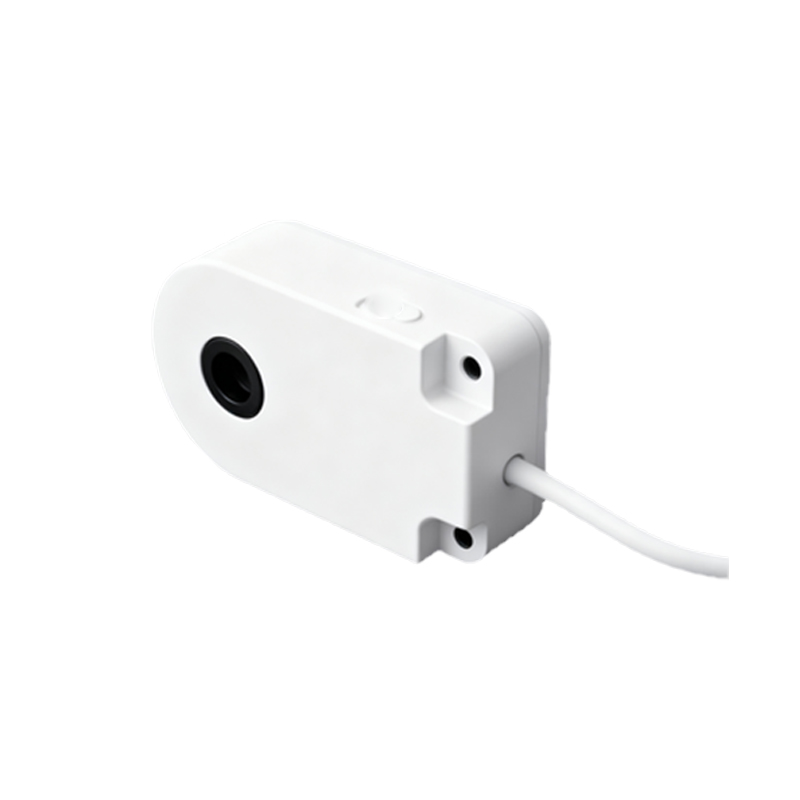
Security and safety offer fertile ground for innovative projects. A multi-sensor proximity alarm system for a valuable item, like a bicycle or a tool cabinet, combines different sensor types for robustness. An inductive sensor could detect if a metallic object is moved, while a passive infrared (PIR) sensor could detect a person approaching. Linking these to a wireless module like an ESP8266 allows for instant smartphone notifications. This project enhances skills in sensor fusion, power management for battery-operated devices, and wireless communication.
In the realm of assistive technology, proximity sensors can be incredibly impactful. A wearable device for the visually impaired, using multiple ultrasonic sensors, can provide haptic feedback (like varying vibration intensity) to warn of obstacles at different heights—from knee-level to head-level. This challenges the maker to consider ergonomics, real-time data processing, and creating intuitive user feedback systems, moving beyond prototyping to user-centric design.
Robotics enthusiasts constantly utilize proximity sensors. A basic autonomous rover that avoids obstacles is a classic project. By mounting several IR or ultrasonic sensors on the front and sides, the rover's microcontroller can be programmed with decision-making algorithms (like "if left sensor detects an object, turn right"). More advanced versions involve creating a sensor array or using a time-of-flight (ToF) sensor for more precise mapping of the environment. These projects are excellent for learning about autonomous systems, sensor data filtering, and reactive control loops.
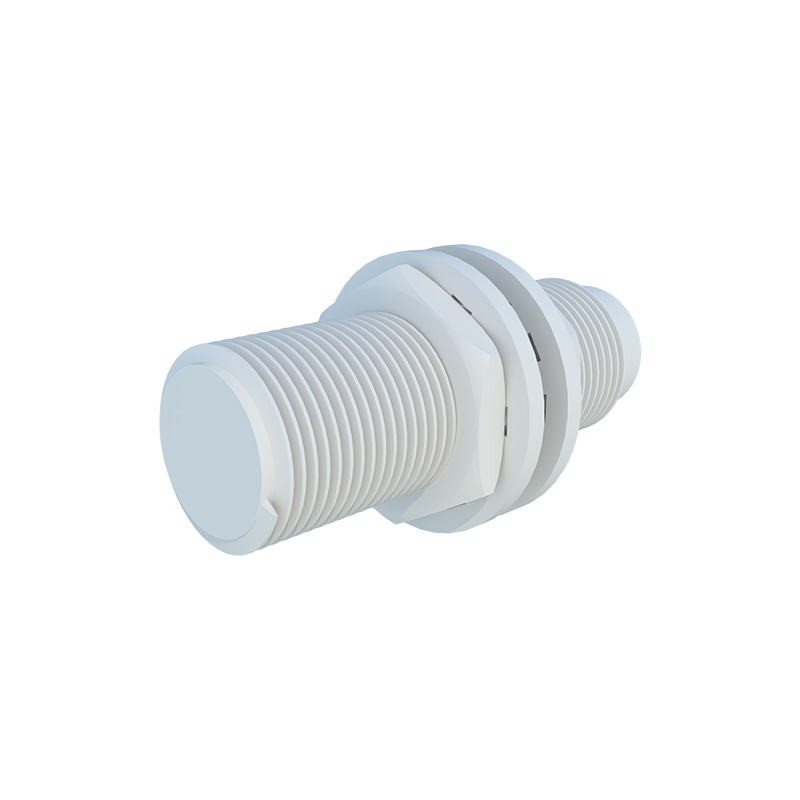
When embarking on a proximity sensor project, several best practices ensure success. Always consult the sensor's datasheet for its optimal sensing range, voltage requirements, and output signal type (analog or digital). Environmental factors matter: IR sensors can be confused by bright sunlight, and ultrasonic sensors may have issues with soft, sound-absorbing materials. Proper shielding and mounting are crucial to prevent false triggers. Start with the examples provided in the sensor module's library, then gradually modify the code to fit your specific application.
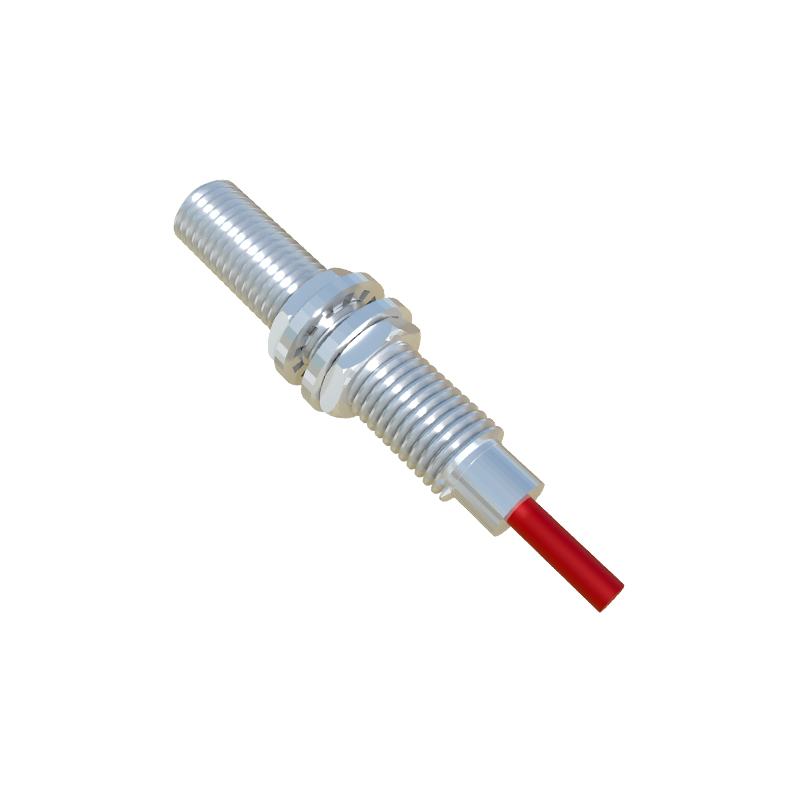
The future of DIY proximity sensing is leaning towards miniaturization and integration. Sensors are becoming smaller, cheaper, and more power-efficient. Technologies like LiDAR (Light Detection and Ranging), once exotic, are now available on compact modules for hobbyists. Furthermore, the rise of tiny machine learning (TinyML) allows these sensors to not just collect raw data, but to interpret it on-device—for example, a proximity sensor array that can distinguish between a person, a pet, and a moving curtain.
Ultimately, working with proximity sensors is about giving projects a sense of their surroundings. It bridges the digital and physical worlds. Whether it's adding a touchless interface to an old appliance, building a smart garden that waters plants when you're near, or crafting an interactive art installation, the possibilities are bound only by imagination. The hands-on process of wiring, coding, testing, and iterating demystifies the technology that powers our modern automated world and empowers creators to build their own intelligent solutions.