In the realm of industrial automation, robotics, and precision engineering, the ability to detect the presence, absence, or precise position of an object without physical contact is paramount. This capability is delivered by proximity displacement sensors, a critical category of non-contact sensing technology. These devices measure the linear movement or distance of a target relative to the sensor face, providing continuous, real-time data that is essential for control, monitoring, and safety systems.
At their core, proximity displacement sensors operate by emitting a field or signal and analyzing changes in that field caused by the approach of a target object. The fundamental principle involves the interaction between the sensor and the target, which alters a specific physical property. This change is converted into an electrical signal, typically analog (like 4-20 mA or 0-10 V) or digital, proportional to the measured distance. The absence of mechanical contact eliminates issues like wear, friction, and hysteresis, granting these sensors exceptional longevity, reliability, and high-speed response capabilities.
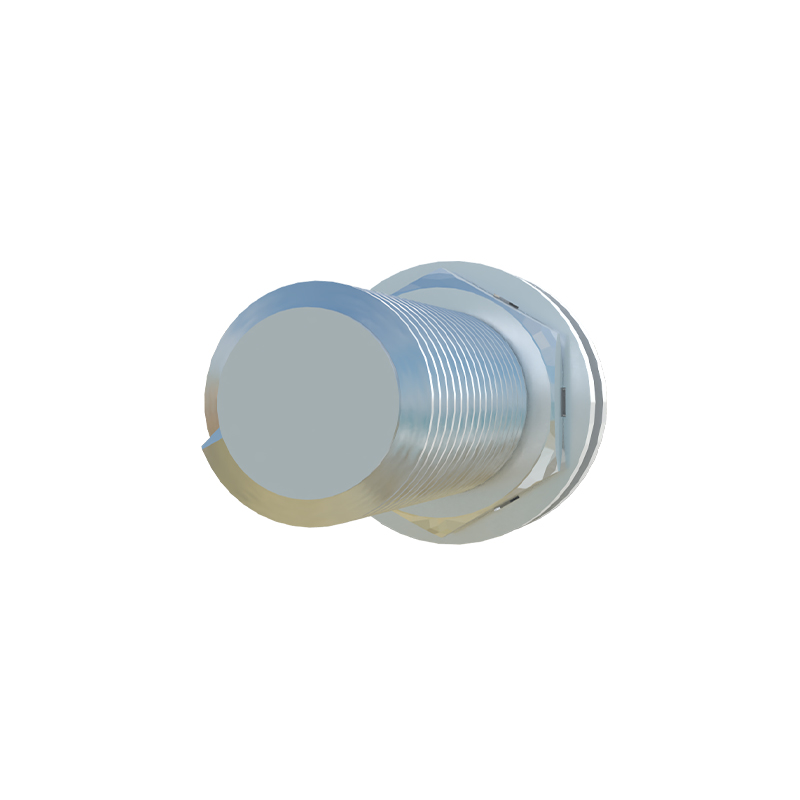
Several primary technologies dominate the proximity displacement sensor market, each with distinct operating principles and ideal use cases.
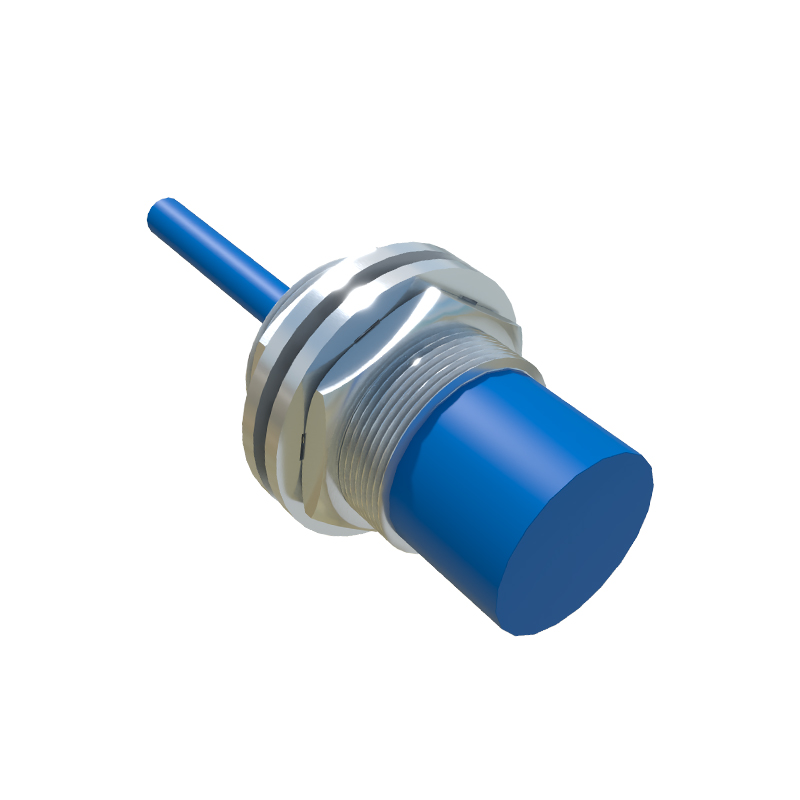
Inductive Sensors are workhorses in industrial environments. They generate an electromagnetic field from a coil in the sensor head. When a conductive metal target enters this field, eddy currents are induced on the target's surface, which dampens the oscillation in the sensor's coil. The sensor detects this damping and outputs a signal corresponding to the distance. Inductive sensors are robust, resistant to dirt, oil, and moisture, and are excellent for detecting metals like steel, aluminum, and copper. However, they are generally ineffective for non-metallic materials.
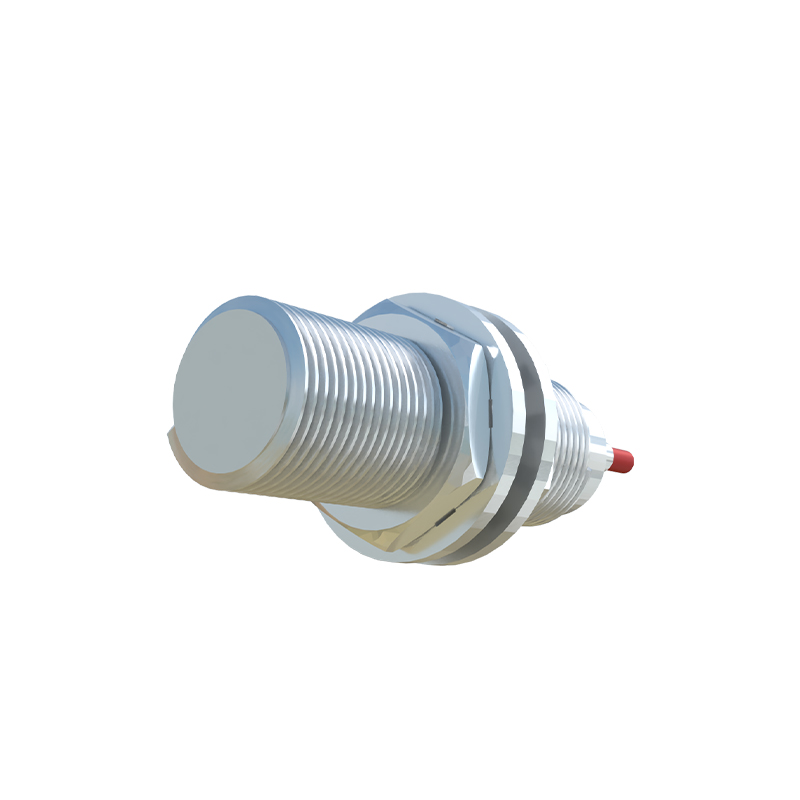
Capacitive Sensors function by generating an electrostatic field. They can detect both metallic and non-metallic materials—plastics, glass, wood, liquids, and granules—by measuring changes in capacitance. The sensor and the target act as two plates of a capacitor. As the target approaches, the capacitance increases, triggering the output. This makes capacitive sensors versatile for level detection, material handling, and applications involving non-conductive targets. They can be sensitive to environmental factors like humidity and require careful calibration.
Ultrasonic Sensors measure distance using sound waves beyond the human hearing range. The sensor emits ultrasonic pulses and calculates the time-of-flight for the echo to return from the target. This time is directly proportional to the distance. Ultrasonic sensors are effective for a wide variety of materials, regardless of color or transparency, and are ideal for longer ranges, liquid level control, and harsh environments where other technologies might struggle. Their performance can be affected by temperature, air turbulence, and the target's sound-absorbing properties.
Laser Triangulation Sensors represent the high-precision end of the spectrum. They project a focused laser spot onto the target surface. The reflected light is focused onto a position-sensitive detector (like a CCD or PSD). As the target distance changes, the position of the reflected spot on the detector shifts. Using trigonometric calculations, the sensor determines the exact distance. These sensors offer extremely high resolution and accuracy, even at long ranges, and are used for precise dimensional inspection, vibration analysis, and profiling of tiny components.
Eddy Current Sensors are a specialized type of inductive sensor designed for high-resolution, high-frequency measurements on conductive materials. They are exceptionally good at measuring small displacements and vibrations on rotating machinery, such as shaft runout or bearing clearance, due to their high bandwidth and non-contact nature.
The applications of proximity displacement sensors are vast and cross-industrial. In manufacturing, they are used for precision positioning of robotic arms, thickness measurement of rolled metals or plastics, and part presence verification on assembly lines. In the automotive sector, they monitor brake disc wear, control suspension systems, and ensure precise engine valve timing. In aerospace, they are critical for monitoring turbine blade tip clearance and structural deformation. Furthermore, they play vital roles in medical devices, semiconductor fabrication, and packaging machinery.
Selecting the right sensor requires careful consideration of several factors: the target material, the required measuring range and resolution, environmental conditions (temperature, pressure, contaminants), response speed, output signal type, and mounting constraints. Proper installation is also crucial; factors like sensor alignment, target size and surface finish, and the presence of other interfering objects in the sensing field must be accounted for to ensure accurate and stable measurements.
In conclusion, proximity displacement sensors are indispensable tools for modern automation. By providing accurate, reliable, and contactless measurement of position and displacement, they enable higher efficiency, improved quality control, and enhanced operational safety across countless industries. As technology advances, these sensors continue to evolve, offering greater precision, miniaturization, and integration with smart industrial networks, solidifying their role as foundational components in the landscape of industrial sensing.