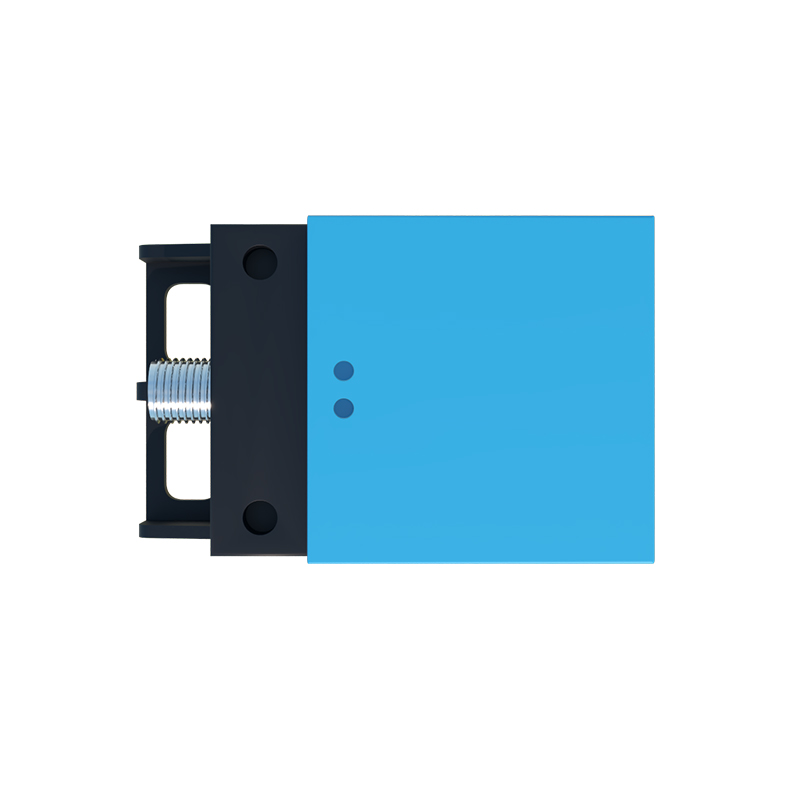
Proximity sensors have become indispensable tools in modern ecological monitoring and conservation efforts. Their ability to detect the presence, absence, or distance of objects without physical contact makes them ideal for observing wildlife, tracking environmental changes, and automating data collection in sensitive habitats. The performance of these sensors directly impacts the quality and reliability of the ecological data gathered, making it crucial to understand the key factors that define their effectiveness in the field.
At its core, a proximity sensor operates by emitting a field or beam of electromagnetic radiation, such as infrared light, and then detecting changes in the return signal. In ecological settings, this technology is deployed in camera traps to trigger photographs when an animal passes by, in automated weather stations to detect precipitation, or in soil monitoring systems to gauge moisture levels without disturbing the ground. The choice of sensor type—whether inductive, capacitive, ultrasonic, or photoelectric—depends heavily on the specific environmental parameters and the target being measured.
Several performance metrics are paramount when evaluating proximity sensors for ecological use. Detection range is often the first consideration. A sensor designed for monitoring large mammals on the savanna requires a significantly longer range than one monitoring insect activity on a forest floor. However, a longer range is not always better; it must be balanced with precision to avoid false triggers from non-target objects like swaying vegetation. This leads to the critical aspect of accuracy and resolution. High-resolution sensors can distinguish between a single small bird and a flock, providing more granular data for population studies.
Environmental resilience is arguably the most demanding performance criterion. Ecological sensors are not deployed in controlled laboratories. They face torrential rain, dust storms, extreme temperatures, and high humidity. A sensor's ingress protection (IP) rating, which indicates its resistance to solids and liquids, is a vital specification. For instance, a sensor placed in a wetland must have a high IP rating to withstand constant moisture and potential submersion. Furthermore, the materials used in the sensor's housing must resist corrosion from salt spray in coastal areas or chemical exposure in certain industrial-adjacent ecosystems.
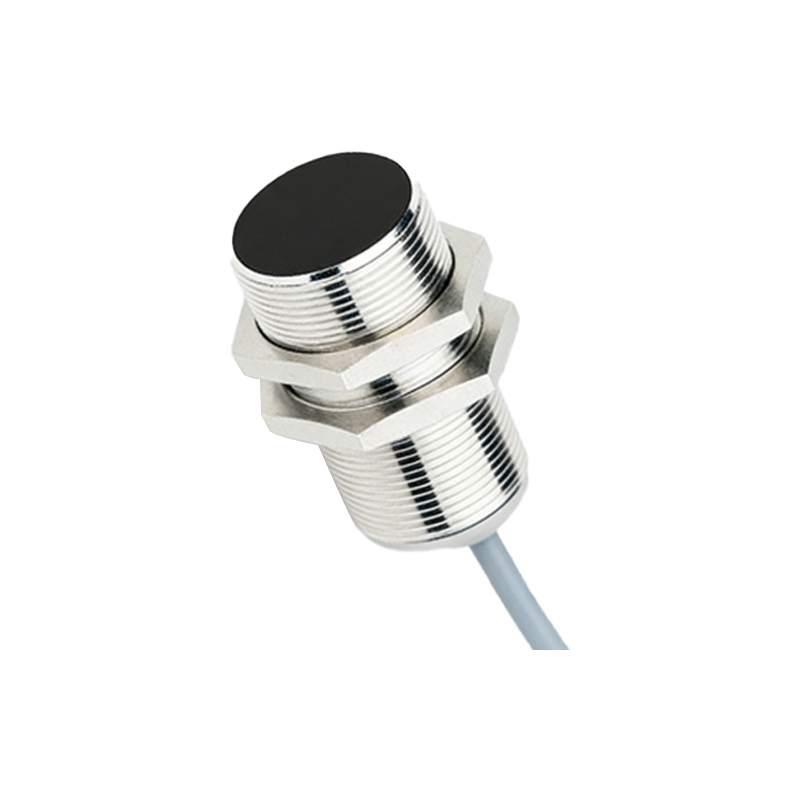
Power consumption is a defining factor for long-term, remote deployments. Many ecological sites are off-grid, relying on solar panels or batteries. A sensor with low power draw can operate for months or years without maintenance, enabling continuous data collection through seasons. This is often achieved through sophisticated sleep modes where the sensor activates only at programmed intervals or when a preliminary trigger is detected. The efficiency of this power management directly correlates with the sustainability and cost-effectiveness of the monitoring project.
Another layer of performance involves data integrity and interference rejection. In dense ecosystems, sensors can receive signals from multiple sources. An ultrasonic sensor measuring tree canopy density might pick up echoes from non-target branches or even passing birds. Advanced sensors employ filtering algorithms and modulated signals to distinguish the true target echo from background noise. Similarly, in areas with high electromagnetic activity, sensors must be shielded to prevent false readings that could corrupt datasets.
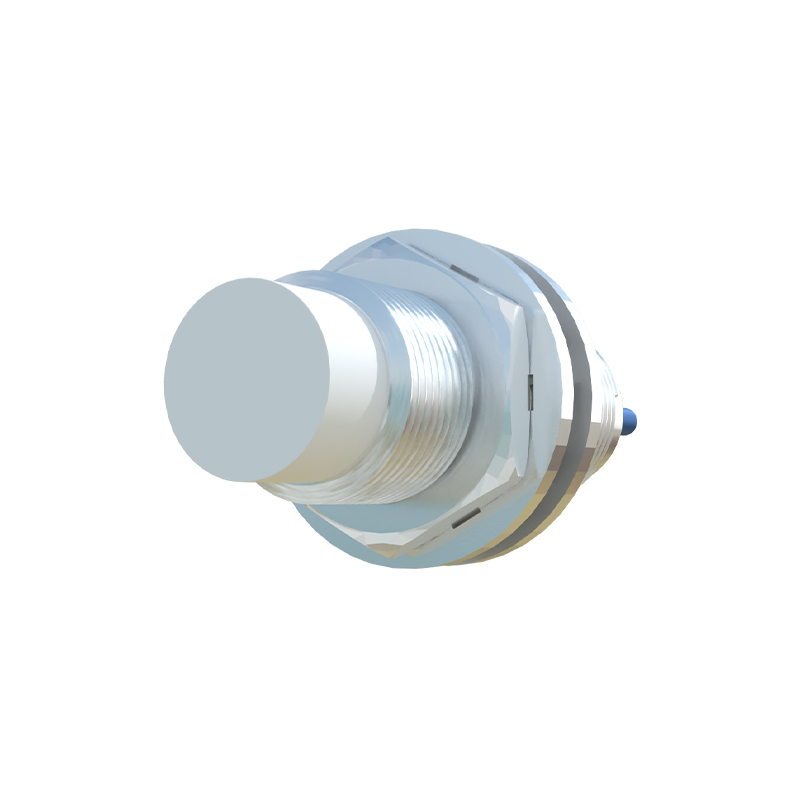
The integration of proximity sensors with other technologies, like GPS modules and low-power wide-area network (LPWAN) communicators such as LoRaWAN, has revolutionized ecological monitoring. This allows not only for detection but also for the precise location stamping and real-time transmission of events. The performance of the sensor system is thus a combination of the hardware's raw detection capability and its seamless function within a larger data acquisition and transmission network.
Ultimately, selecting a proximity sensor for an ecological application is an exercise in balancing these performance traits against the constraints of the environment and the research goals. A sensor with exceptional accuracy but a three-day battery life is useless for a year-long migration study. Similarly, the most durable sensor is ineffective if its detection range is too short for the intended purpose. By carefully matching sensor specifications to the challenges of the natural world, researchers and conservationists can gather the high-fidelity data needed to understand and protect our planet's delicate ecosystems.