Introduction to Photoelectric Sensors
Photoelectric sensors are essential components in modern industrial automation, leveraging light beams to detect the presence, absence, or distance of objects without physical contact. As an electrical engineer, I have seen these sensors transform manufacturing lines, packaging systems, and material handling processes due to their reliability, long sensing ranges, and ability to detect a wide variety of materials. They operate on the principle of emitting a light signal (typically infrared, visible red, or laser) and analyzing changes in the received light to determine object status. Understanding the core types is crucial for selecting the right sensor for specific applications.
Through-Beam Photoelectric Sensors
The through-beam sensor consists of a separate emitter and receiver, aligned opposite each other. The emitter sends a continuous light beam to the receiver. When an object interrupts this beam, the sensor triggers an output. This configuration offers the longest sensing range, often exceeding several meters, and provides highly reliable detection regardless of object color, surface finish, or material opacity. However, installation requires precise alignment and wiring for both units. Typical applications include conveyor belt monitoring, door safety systems, and counting objects in automated warehouses.
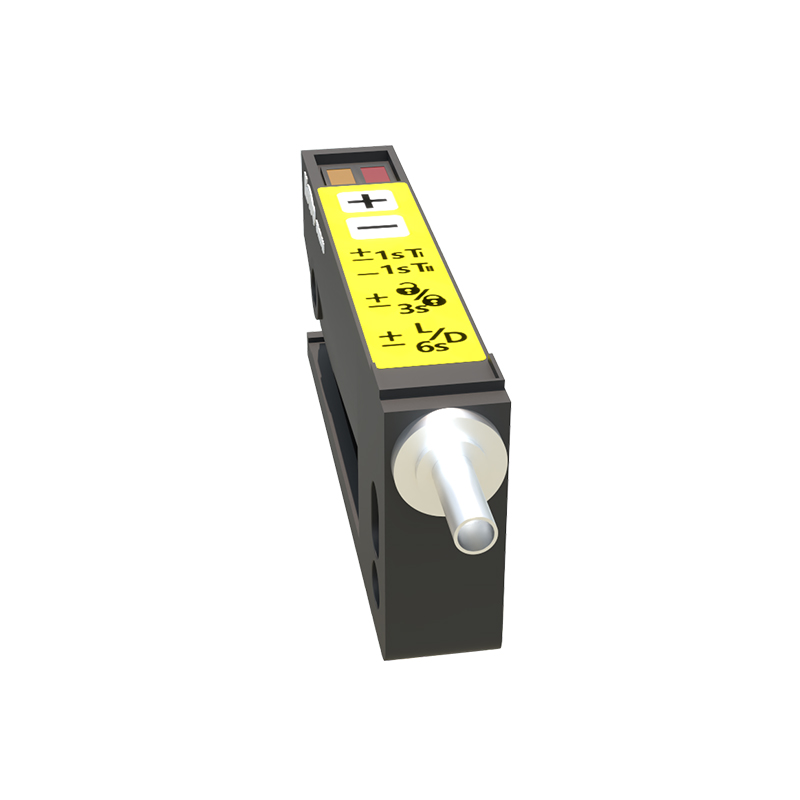
Retro-Reflective Photoelectric Sensors
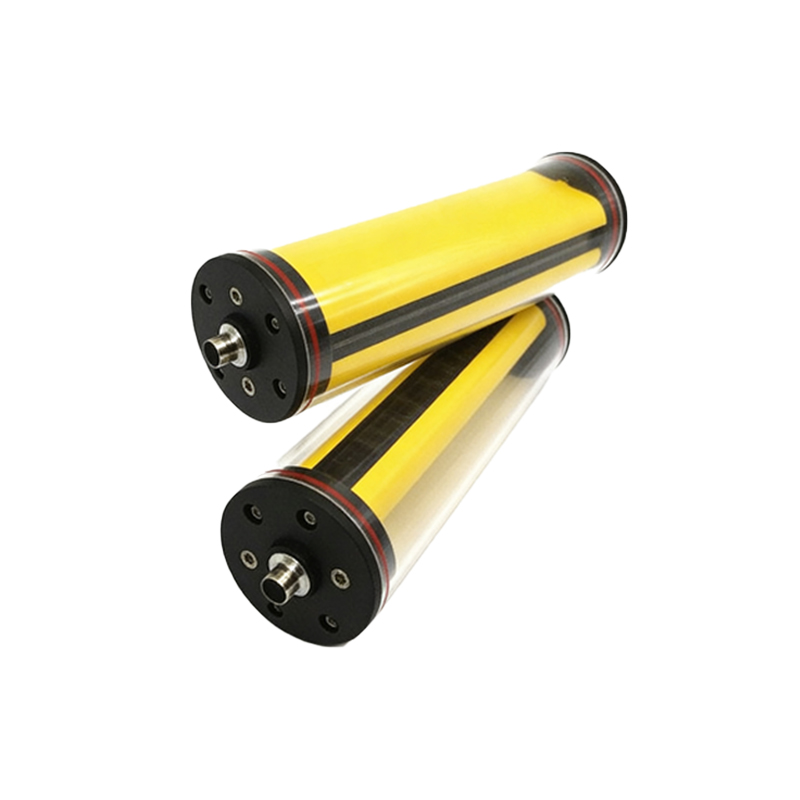
Retro-reflective sensors combine the emitter and receiver in a single housing. They direct a light beam toward a reflector, which bounces the beam back to the receiver. Detection occurs when an object breaks the beam path. These sensors offer a medium sensing range and simplify installation compared to through-beam types, as only one unit needs wiring. A notable consideration is that highly reflective objects can cause false readings; thus, polarized retro-reflective models are often preferred for shiny surfaces. Common uses include packaging line detection, bottling operations, and pallet positioning.
Diffuse (Proximity) Photoelectric Sensors
Diffuse sensors, also called proximity sensors, have the emitter and receiver in one unit but do not require a separate reflector. The emitted light bounces off the target object itself and returns to the receiver. This design simplifies installation dramatically but limits the sensing range to typically a few meters and is sensitive to object color and reflectivity. Dark objects absorb more light, reducing the effective range. Engineers often apply diffuse sensors for presence detection in confined spaces, such as part presence in assembly machines, level detection in hoppers, and object sorting by brightness.
Background Suppression Photoelectric Sensors
A specialized variant of diffuse sensors, background suppression models use advanced optics or electronics to precisely define the sensing cutoff distance. They ignore objects beyond a set threshold, making them ideal for detecting small or dark objects against highly reflective backgrounds, like shiny conveyor belts or metal surfaces. These sensors are critical in automated pick-and-place robots, print registration control, and quality inspection where consistent detection regardless of background is mandatory.
Fiber Optic Photoelectric Sensors
Fiber optic sensors separate the emitter and receiver components from the sensing tip using flexible fiber optic cables. This allows for detection in extremely tight spaces, high-temperature environments, or areas with strong electromagnetic interference. The sensor head is small and passive, while the main electronics are located remotely. They excel in semiconductor wafer handling, medical device assembly, and food processing where space is constrained or cleanliness is vital.
Laser Photoelectric Sensors
For ultra-precise applications, laser photoelectric sensors offer a collimated, concentrated light beam with minimal divergence. They achieve high resolution and long sensing ranges, often exceeding 50 meters for through-beam models. Laser sensors are used for measuring small gaps, detecting minute components, and precise positioning in machine tools. However, they require careful handling due to eye safety considerations and are generally more expensive than traditional LED-based sensors.
Selecting the Right Photoelectric Sensor
When choosing a sensor, consider the target material's reflectivity, required sensing distance, environmental conditions (dust, moisture, ambient light), and object size. Through-beam offers maximum range and reliability; retro-reflective balances cost and performance; diffuse is easiest for simple presence detection; background suppression handles challenging backgrounds; fiber optics tackle confined spaces; and laser provides peak precision. Always verify the sensor's output type (NPN, PNP, analog) and connection compatibility with your control system.
Conclusion
Mastering these six primary types of photoelectric sensors empowers engineers to design more efficient and reliable automation systems. Each type brings distinct advantages to specific industrial challenges. By understanding their operating principles and practical limitations, you can optimize sensor selection for improved throughput, reduced downtime, and enhanced safety in your facility.