Introduction to Photoelectric Sensors in Industry
Photoelectric sensors are critical components in modern industrial automation, widely used for object detection, counting, and positioning. While both domestic (e.g., Chinese-made) and international (e.g., German, Japanese, or American) sensors serve similar functions, their design philosophy, performance characteristics, and application suitability differ significantly. This article explores these distinctions to help engineers make informed procurement decisions.
Performance and Accuracy
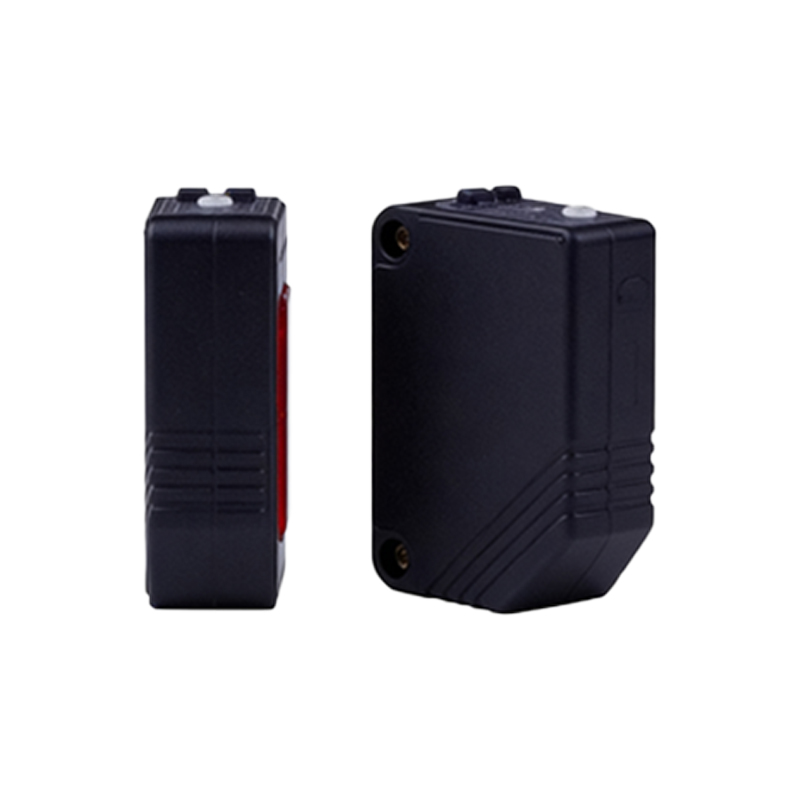
International photoelectric sensors, such as those from SICK, Omron, or Banner, typically offer superior detection accuracy, faster response times, and higher resistance to ambient light interference. They utilize advanced optics and signal processing algorithms, achieving repeatability errors below 0.1 mm. Domestic sensors, while improving rapidly, often have slightly lower precision (e.g., 0.3–0.5 mm) and may be more susceptible to false triggers in harsh industrial environments. For high-speed production lines, international brands remain the preferred choice.
Build Quality and Durability
International sensors are engineered with robust housings (e.g., stainless steel or high-grade polycarbonate) and IP67 or IP69K ratings, ensuring reliable operation in dusty, wet, or corrosive conditions. Their internal potting and sealing techniques prevent moisture ingress effectively. Domestic sensors often use lower-cost plastics and simpler sealing methods, leading to shorter lifespans (e.g., 2–3 years vs. 5–10 years). However, some premium domestic manufacturers now offer comparable durability at a lower price point.
Cost and Value for Money
Cost is a major differentiator. Domestic photoelectric sensors can be 30–50% cheaper than their international counterparts, making them ideal for cost-sensitive projects or non-critical applications. International sensors, though pricier, provide reduced downtime, longer warranties, and better technical support, which can lower total cost of ownership over time. For example, a German sensor may cost $200 but last 8 years, while a domestic one at $100 may need replacement after 3 years.
Interface and Integration
International sensors generally offer more flexible connectivity options, including IO-Link, EtherCAT, and Profinet, enabling seamless integration with PLCs and industrial networks. Their programming software is user-friendly and frequently updated. Domestic sensors often rely on basic NPN/PNP outputs or limited protocols, requiring additional converters for modern automation systems. This can increase installation complexity and debugging time.
Technical Support and Documentation
Leading international brands provide comprehensive technical manuals, multilingual support, online configuration tools, and fast replacement services globally. Domestic manufacturers are expanding their support infrastructure but may lack detailed English documentation or responsive after-sales service for overseas customers. For global projects, international vendors offer greater reliability in troubleshooting.
Conclusion: Choosing the Right Sensor
The decision between domestic and international photoelectric sensors hinges on project requirements: for critical, high-precision, or long-life applications, international sensors are recommended. For budget-constrained or less demanding tasks, domestic sensors can offer satisfactory performance. Engineers should evaluate factors like environmental conditions, network integration needs, and long-term maintenance costs before finalizing.