Introduction to Reflective Photoelectric Sensors
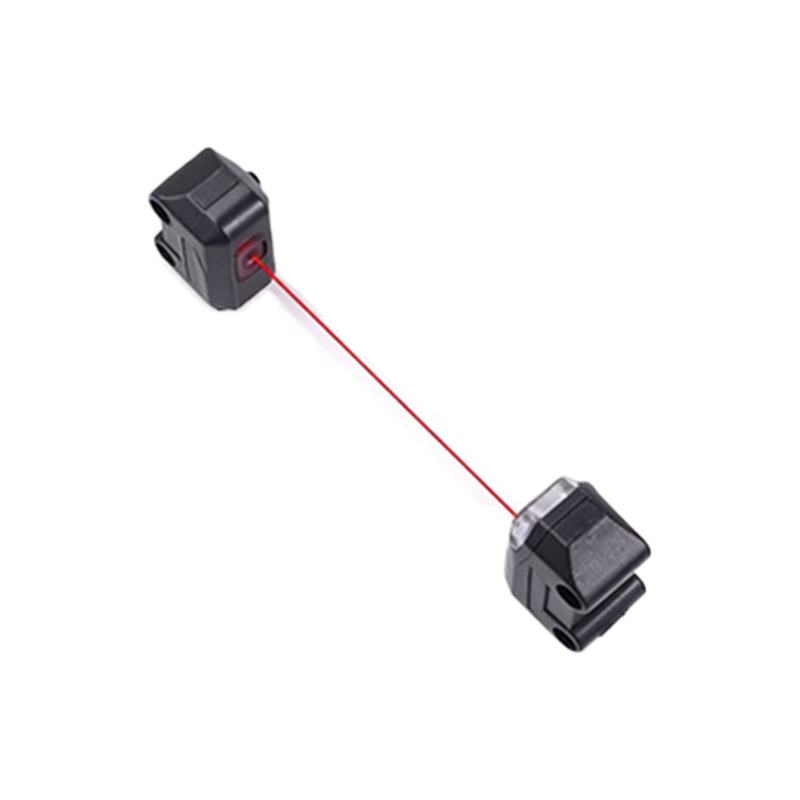
Reflective photoelectric sensors are essential components in modern industrial automation systems. These sensors operate by emitting a beam of light, typically from an LED, and detecting the light reflected from a target object. Unlike through-beam sensors that require separate emitter and receiver units, reflective sensors integrate both elements into a single housing, simplifying installation and reducing wiring complexity. This design makes them ideal for applications where space is limited or where objects need to be detected in tight spaces. Their reliability and precision are critical in industries such as packaging, material handling, and robotics.
How Reflective Photoelectric Sensors Work
The operational principle of a reflective photoelectric sensor is based on the reflection of light. The sensor emits a pulsed or continuous light beam toward a target. When the target is present, it reflects some of the light back to the sensor's receiver. The internal photodetector then converts the reflected light into an electrical signal, which triggers an output, such as a switch or a logic signal. The sensitivity of these sensors can be adjusted to detect objects of varying reflectivity, colors, and surfaces. Advanced models use background suppression technology to distinguish between the target and the background environment, ensuring accurate detection even in challenging conditions.
Key Features and Benefits
Reflective photoelectric sensors offer several advantages over other sensor types. First, their compact design reduces installation costs and maintenance requirements. Second, they provide non-contact detection, which minimizes wear and tear on both the sensor and the target object. Third, these sensors are highly versatile, capable of detecting a wide range of materials, including metals, plastics, paper, and glass. Additionally, they can operate in harsh environments, thanks to robust enclosures with high IP ratings that protect against dust, moisture, and vibrations. The ability to adjust detection range and sensitivity makes them suitable for both short-range and long-range applications.
Typical Applications in Industry
In the manufacturing sector, reflective photoelectric sensors are commonly used for presence and position detection on conveyor belts. They monitor product flow, detect jams, and ensure proper alignment of items. In packaging machinery, these sensors verify the presence of labels, caps, or seals. They are also deployed in automated guided vehicles (AGVs) for obstacle detection and navigation. In the food and beverage industry, hygienic sensor designs allow for use in wet or washdown environments. Additionally, they play a crucial role in robotics, enabling precise part pickup and placement operations.
Selection Criteria for Engineers
When selecting a reflective photoelectric sensor, engineers must consider several factors: sensing range, light source type (e.g., red LED, infrared, laser), output configuration (PNP, NPN, analog), and response time. The target's color, surface finish, and size affect the sensor's performance. For example, dark or matte surfaces require more sensitive sensors, while shiny surfaces may cause false signals. Environmental conditions, such as ambient light, temperature, and humidity, also influence sensor choice. Engineers often consult datasheets and perform field tests to ensure compatibility with the specific application.
Troubleshooting and Maintenance Tips
Common issues with reflective photoelectric sensors include false triggering due to dust, misalignment, or reflective backgrounds. Regular cleaning of the lens with a soft cloth and isopropyl alcohol helps maintain performance. Checking for loose connections and ensuring proper power supply voltage are also important. If the sensor fails to detect objects, adjusting the sensitivity potentiometer or replacing the light source may resolve the issue. Engineers should also verify that the sensor's mounting is stable and free from vibrations. For critical applications, implementing a redundant sensor system can enhance reliability.
Future Trends in Reflective Sensor Technology
The evolution of reflective photoelectric sensors is driven by the demand for smarter and more efficient automation. Recent advancements include the integration of IO-Link communication, which allows for digital data transmission and remote parameter configuration. Smart sensors with self-diagnostic capabilities can predict failures and schedule maintenance. Additionally, the use of laser light sources extends sensing range and improves accuracy in high-speed applications. As Industry 4.0 expands, these sensors will become more interconnected, facilitating real-time monitoring and data analytics for predictive maintenance and process optimization.