Inductive proximity sensors play a critical role in modern industrial automation, particularly in monitoring and controlling pneumatic and hydraulic cylinders. These non-contact devices detect the presence or position of a cylinder's piston without physical touch, ensuring reliable operation in demanding environments. Unlike mechanical limit switches, they offer high durability, fast response times, and immunity to environmental factors like dust, oil, and vibration.
The working principle of an inductive proximity sensor for cylinders is based on electromagnetic induction. The sensor generates an oscillating electromagnetic field from its active face. When a metallic target—typically the piston or a built-in trigger—enters this field, eddy currents are induced in the target. This causes a change in the oscillation amplitude, which is detected by the sensor's circuitry, triggering a switching signal. For cylinder applications, the target is often a small, integrated metal piece or a specially designed piston with a sensing groove.
Selecting the right inductive sensor for a cylinder involves several key parameters. First, the sensing distance, or switching distance, must be appropriate for the cylinder's stroke and mounting configuration. Cylinder sensors often have standardized sensing distances, such as 2mm or 4mm. The housing material is another consideration; stainless steel or nickel-plated brass housings provide resistance to corrosion and mechanical impact. Additionally, the electrical output type—PNP (sourcing) or NPN (sinking)—must match the control system's input requirements. Many modern sensors also feature LED status indicators for easy diagnostics.
A major advantage of using inductive sensors with cylinders is the elimination of mechanical wear. Traditional mechanical switches suffer from contact erosion over time, leading to failure. Inductive sensors, having no moving parts, maintain consistent performance over millions of cycles. They are integral to position feedback in automated systems, enabling precise control of cylinder extension and retraction. This is essential in applications like packaging machinery, automotive assembly lines, and material handling systems, where timing and position accuracy are paramount.
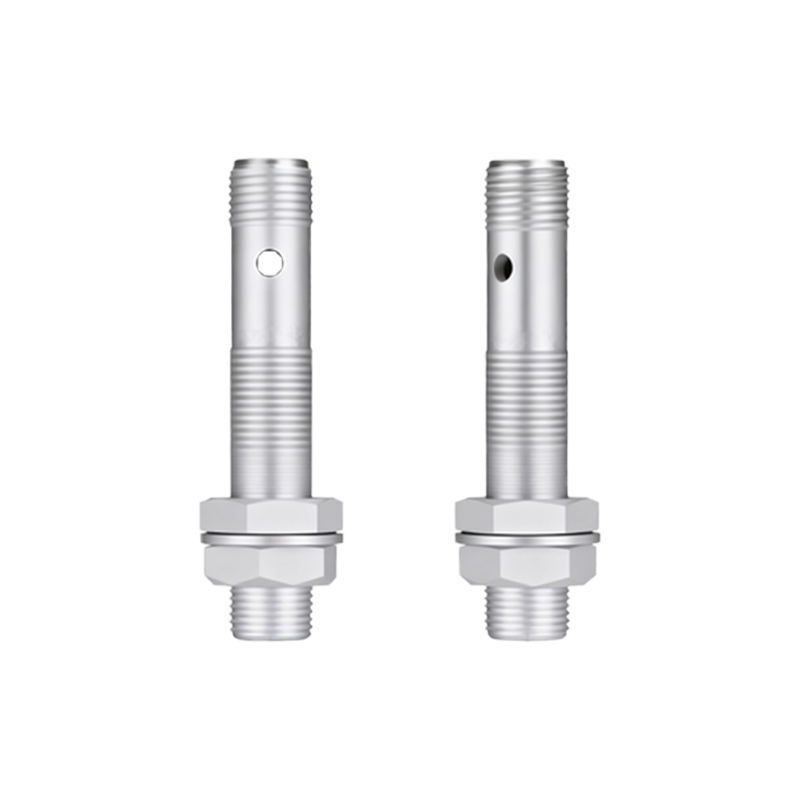
Installation and alignment are straightforward but crucial. Sensors are typically mounted on the cylinder's body via standard mounting brackets or embedded slots. Proper alignment with the target ensures optimal sensing performance. Some cylinders come with pre-drilled holes or integrated sensor slots, simplifying the process. Environmental protection ratings, such as IP67 or IP69K, indicate the sensor's suitability for washdown or outdoor use, protecting against water and particulate ingress.
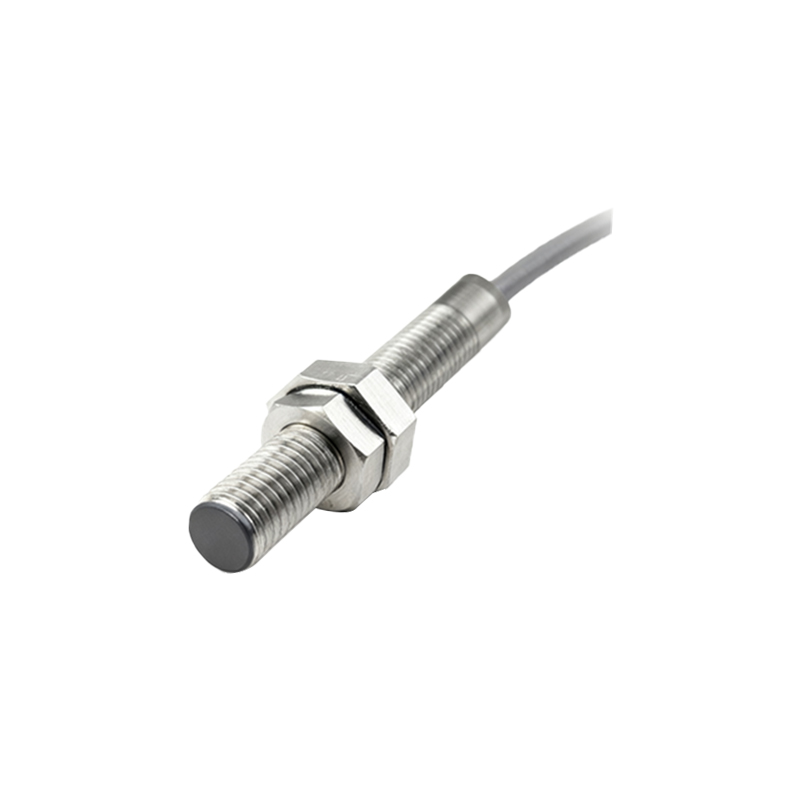
Recent advancements include analog output sensors that provide continuous position data, not just a simple on/off signal. This allows for more sophisticated control schemes, such as proportional valve control based on piston position. Furthermore, IO-Link communication capability enables digital parameter setting, remote monitoring, and predictive maintenance alerts, integrating seamlessly into Industry 4.0 frameworks.
In summary, inductive proximity sensors for cylinders are indispensable components that enhance reliability, precision, and longevity in motion control systems. Their non-contact nature, combined with robust construction and advanced features, makes them a preferred choice for engineers designing efficient and maintenance-friendly automation solutions. Proper selection and installation ensure they deliver consistent performance, contributing to reduced downtime and increased productivity across various industrial sectors.