In the modern smart home, automation and convenience are paramount. Among the various technologies enabling this seamless experience, photoelectric proximity sensors have emerged as a silent yet powerful force. Unlike their industrial counterparts designed for harsh environments, home-use photoelectric sensors are engineered for reliability, aesthetics, and everyday practicality. This guide delves into how these sensors work, their applications around your home, and what to consider when integrating them into your living space.
At their core, photoelectric proximity sensors operate on a simple principle: they use light to detect the presence or absence of an object within a specified range. A typical sensor consists of an emitter (which projects a light beam, often infrared or laser) and a receiver. There are three primary types used in residential settings. The first is the through-beam type, where the emitter and receiver are separate units facing each other; an object is detected when it breaks the beam. The second is the retro-reflective type, which uses a single unit and a reflector; the beam bounces back from the reflector to the receiver, and detection occurs when this beam is interrupted. The most common for home use is the diffuse or proximity-sensing type. Here, the emitter and receiver are housed together. The sensor detects an object when the light emitted reflects off the object and returns to the receiver. This "diffuse reflection" method is ideal for short-range detection of non-specific objects, like a person walking by.
The applications within a home are diverse and significantly enhance comfort, security, and energy efficiency. One of the most popular uses is in automatic lighting systems. Imagine walking into a pantry, laundry room, or closet, and the light turns on instantly without fumbling for a switch. Sensors mounted in these areas detect motion and illuminate the space, turning off automatically after a period of inactivity, thereby conserving electricity. They are also integral to advanced security systems. Placed near doors or windows, these sensors can trigger an alarm or send a notification to your phone if an unexpected break in the beam occurs, offering a non-contact layer of security superior to simple contact switches.
Beyond basics, innovative integrations are expanding. In smart bathrooms, sensors can activate exhaust fans when moisture or presence is detected. They can be used in garages to prevent doors from closing if a car, person, or pet is in the path. Some high-end kitchen setups use concealed sensors under cabinets to turn on task lighting when hands approach the countertop, perfect for messy cooking situations. They also play a role in elder care and accessibility, automatically opening doors or turning on night lights when movement is detected, aiding those with mobility challenges.
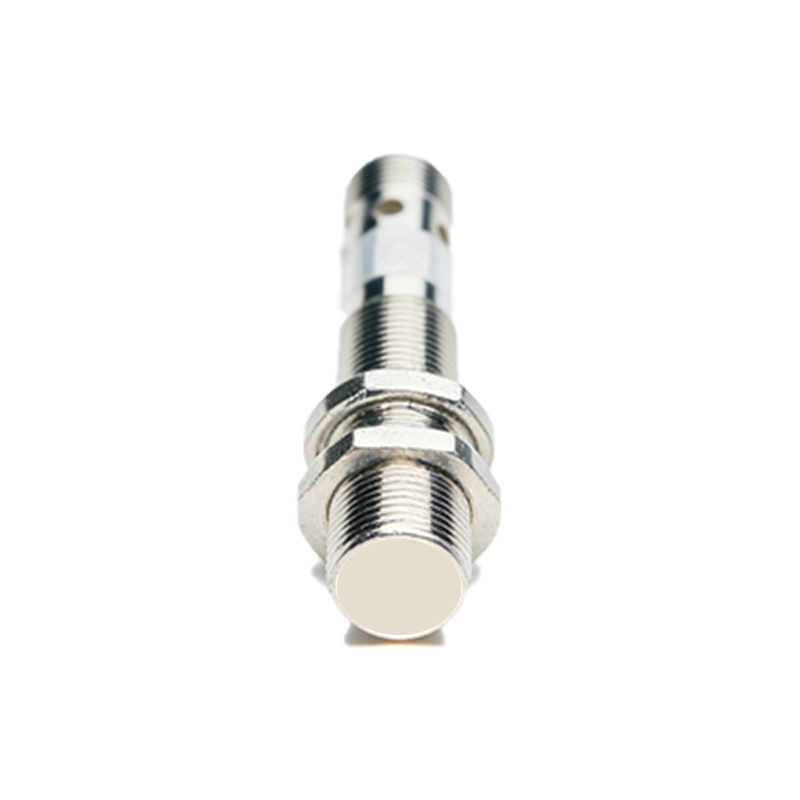
When selecting a photoelectric proximity sensor for home use, several factors are crucial. First is the sensing range. For indoor applications like cabinets or rooms, a range of a few centimeters to several meters is usually sufficient. The response time should be fast enough for immediate feedback, such as instant light activation. The housing material and design are important for aesthetics and durability; many are designed to be discreet, with white or neutral finishes to blend with home decor. Look for models with adjustable sensitivity and time-delay settings, allowing you to customize how long a light stays on or how easily it is triggered, preventing activation by small pets or drifting curtains.
Power supply is another consideration. Many home sensors are low-voltage devices, powered by batteries or connected to the home's low-voltage wiring for systems like security or smart home hubs. Battery-operated models offer easy installation but require periodic battery changes. Integration capability is key for a smart home. Modern sensors often come with wireless connectivity like Wi-Fi, Zigbee, or Z-Wave, allowing them to communicate with a central hub and be part of automated routines—for example, turning on the hallway light and the coffee machine when you walk into the kitchen at 7 AM.
Installation is generally straightforward for DIY enthusiasts. Most units require simple mounting with screws and basic wiring if not battery-powered. It's vital to follow the manufacturer's instructions regarding placement. Avoid pointing sensors directly at glass or highly reflective surfaces, which can cause false readings. Similarly, ensure the sensor's field of view is clear of obstructions like hanging plants or curtains that might move and cause unwanted activation.
In conclusion, photoelectric proximity sensors are versatile, reliable components that bring intelligence and automation to the residential environment. They move home automation beyond simple voice commands or scheduled events into the realm of contextual, responsive interaction. By detecting presence without physical contact, they offer hygiene, durability, and seamless operation. As smart home technology continues to evolve, these sensors will undoubtedly become even more refined and integrated, working behind the scenes to make our homes safer, more efficient, and more responsive to our daily lives. Investing in the right sensors can transform ordinary spaces into intuitively interactive environments.