In the realm of industrial automation and precision measurement, the N8 laser sensor stands as a pivotal technology. Its core function is to detect the presence, position, or distance of an object using a focused beam of light. Unlike traditional mechanical or ultrasonic sensors, the N8 utilizes laser triangulation or time-of-flight principles to achieve remarkable accuracy, often down to the micrometer level. This makes it indispensable in environments where minute variations can impact product quality or process efficiency.
The operational principle of the N8 laser sensor is both elegant and robust. Typically, it emits a concentrated laser beam towards a target. The reflected light is then captured by a receiving element within the sensor. By analyzing the displacement of the reflected beam spot (in triangulation models) or calculating the time taken for the light pulse to return (in time-of-flight models), the sensor's internal processor determines the exact distance to the object. This non-contact method of measurement eliminates wear and tear, ensuring long-term reliability and consistency without physical interaction with the target.
Key performance specifications of the N8 series highlight its capabilities. It often features a high measurement resolution, a fast response time in the microsecond range, and a substantial measuring range suitable for various setups. Many models are designed with robust housings rated IP67 or higher, providing resistance to dust, water, and vibrations commonly found in industrial settings. Furthermore, advanced models incorporate features like background suppression, which allows them to ignore irrelevant objects beyond the set target, and programmable logic for direct integration into control systems.
The applications of the N8 laser sensor are vast and transformative across multiple sectors. In manufacturing and assembly lines, it is used for precise dimensional gauging, checking part presence, and controlling robot positioning. Within the electronics industry, it ensures the correct placement of micro-components on circuit boards. Logistics and packaging benefit from its ability to accurately count items, measure heights on conveyor belts, and detect label positions. Even in challenging conditions involving reflective, dark, or transparent surfaces, specialized N8 sensor variants deliver dependable performance.
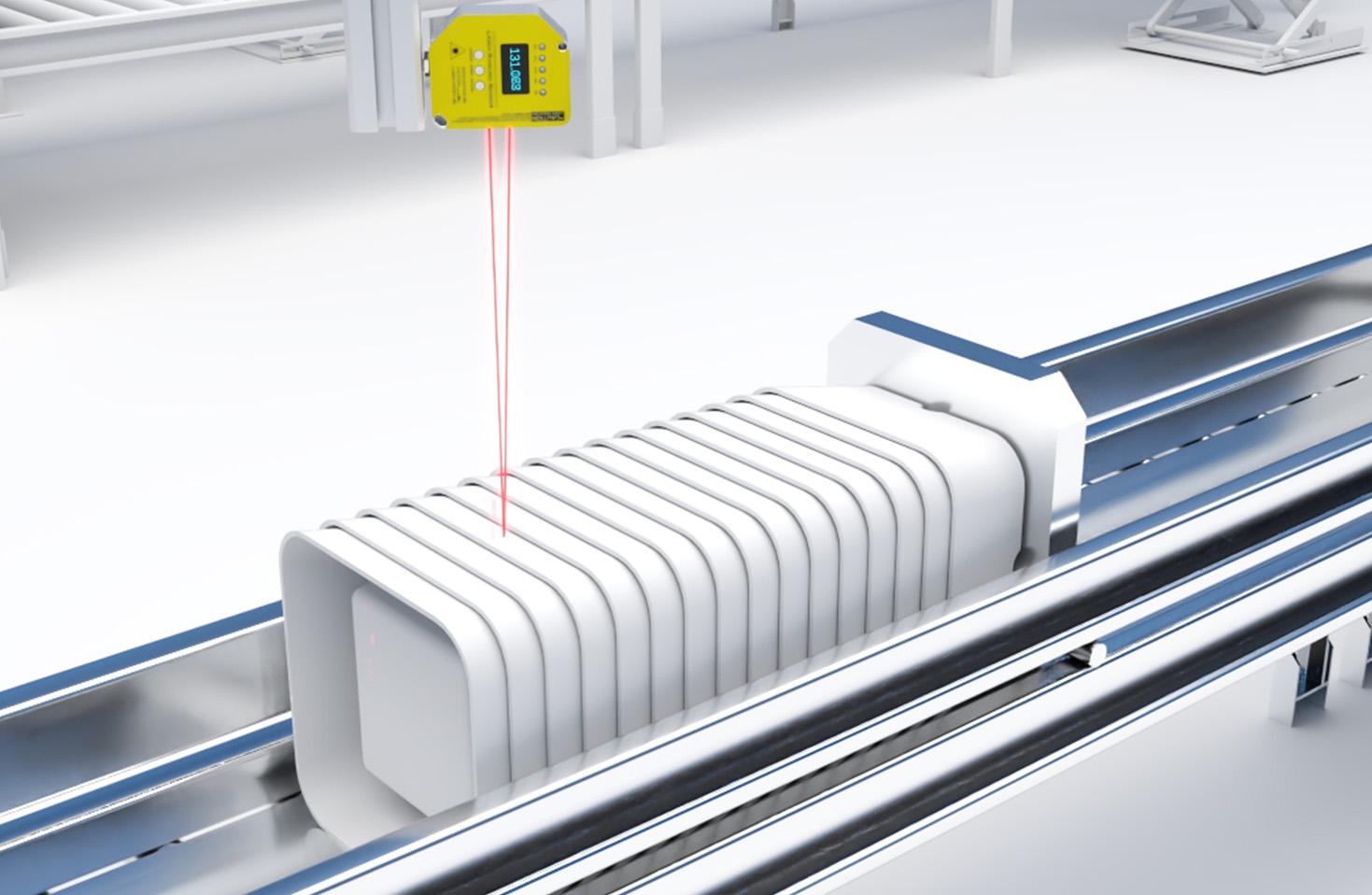
Selecting the right N8 laser sensor requires careful consideration of several factors. The nature of the target material, its color, and surface texture directly influence the sensor's reading. The required measurement range, resolution, and needed response speed must align with the process demands. Environmental conditions such as ambient light, temperature extremes, and potential exposure to chemicals dictate the necessary housing and lens specifications. Finally, the output signal type—whether analog voltage/current, digital switch, or serial communication—must be compatible with the existing control architecture.

Installation and calibration are critical steps to unlock the sensor's full potential. Proper mounting ensures a stable and perpendicular beam path to the target. Initial setup involves teaching the sensor the reference distances for its operational window. Regular maintenance, primarily keeping the lens clean from obstructions like dust or oil mist, is simple yet crucial for sustained accuracy. Most N8 sensors are designed for easy integration, featuring user-friendly interfaces for configuration.
Compared to alternative technologies like inductive, capacitive, or ultrasonic sensors, the N8 laser sensor offers distinct advantages. Its superior precision and small spot size allow for measurements on very small objects or edges. The non-contact nature prevents damage to both the sensor and delicate targets. However, for applications where cost is a primary constraint or in environments with heavy smoke or fog that can scatter the laser beam, other sensor types might be more suitable. The choice ultimately hinges on the specific application requirements.
Looking ahead, the evolution of laser sensor technology continues. Future iterations of platforms like the N8 are expected to incorporate smarter features, such as integrated IoT connectivity for predictive maintenance and data analytics, enhanced resistance to optical interference, and even greater miniaturization. As Industry 4.0 and smart factory concepts mature, the role of precise, reliable, and connected measurement devices like the N8 laser sensor will only become more central to operational excellence and innovation.
In conclusion, the N8 laser sensor is far more than a simple detection device. It is a sophisticated instrument that brings unparalleled levels of precision, speed, and reliability to automated processes. By enabling accurate, non-contact measurement in demanding industrial environments, it forms a foundational component in quality control, efficiency enhancement, and the advancement of modern manufacturing and beyond. Understanding its principles and applications is key to leveraging its full potential in solving complex measurement challenges.