In the world of industrial automation, robotics, and smart devices, the ability to detect the presence or absence of an object without physical contact is fundamental. This capability is primarily delivered by proximity sensors. While the sensing technology itself is crucial, the true functional output—the action it initiates—is the trigger signal. Understanding proximity sensor trigger signals, their types, and their integration is key to designing reliable and efficient systems.
At its core, a trigger signal is the electrical output change from a proximity sensor when it detects a target within its specified sensing range. This signal acts as a switch, communicating a binary state: "object detected" or "object not detected." The nature of this signal varies based on the sensor's output configuration.
The two primary output types are Digital (Discrete) and Analog. Digital outputs are the most common for triggering actions. They provide a simple on/off signal. Within this category, there are two key circuit types: PNP (sourcing) and NPN (sinking). A PNP sensor switches the positive voltage line to the load, while an NPN sensor switches the negative or ground line. Choosing the correct type is critical for compatibility with the controller (like a PLC), as connecting a PNP output to a device expecting NPN will not work. The other digital type is the Normally Open (NO) or Normally Closed (NC) configuration. A NO output is inactive (e.g., 0V) when no target is present and becomes active (e.g., 24V) when a target is detected. An NC output does the opposite. This choice provides flexibility for safety circuits; for instance, an NC configuration can be used in a safety interlock where a broken wire or sensor failure mimics the "target detected" state, prompting a machine shutdown.
Analog outputs provide a continuous signal that changes proportionally to the distance between the sensor and the target. Common standards are 0-10V or 4-20mA. While not a "trigger" in the traditional on/off sense, this signal can be used to trigger events at specific thresholds. For example, a controller can be programmed to trigger an alarm when the analog voltage falls below 2V, indicating an object has come too close.
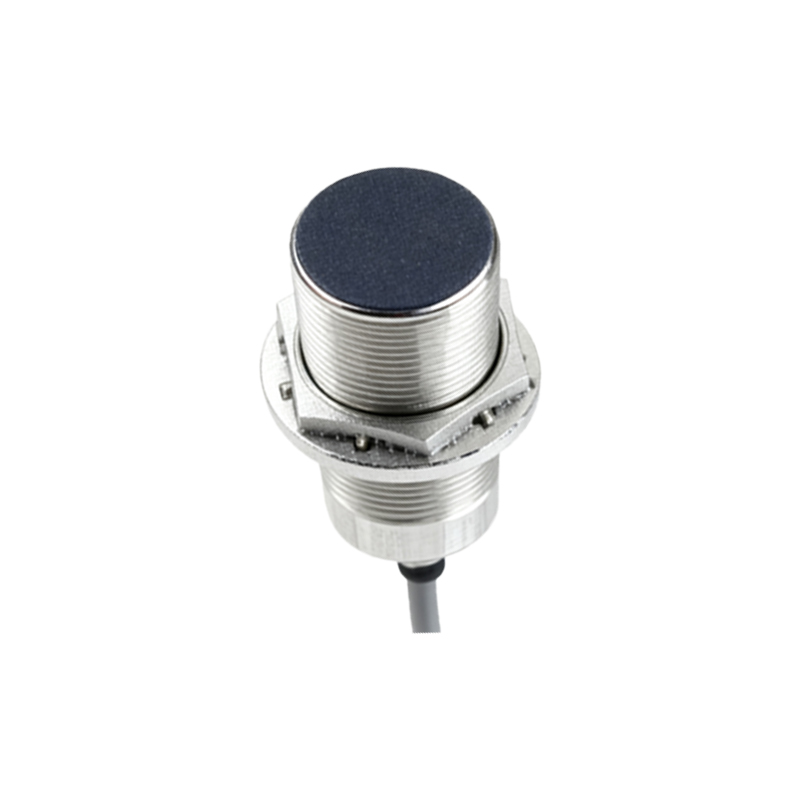
The integration of the trigger signal into a control system is the next critical step. In automated machinery, the digital signal from a proximity sensor is typically wired directly to a Programmable Logic Controller input module. The PLC scan cycle continuously monitors this input's state. When the sensor detects an object and its output switches, the PLC register for that input changes. The control program, or ladder logic, is written to act upon this change. A simple example is a conveyor system: a sensor at a specific position triggers a signal, which the PLC uses to initiate a pusher arm, count items, or stop the belt for packaging.
Beyond simple presence detection, trigger signals enable complex functions. In automated assembly, a sensor trigger can initiate a robotic welding sequence. In packaging, it can control the precise timing of a filler valve. In automotive applications, inductive proximity sensors trigger signals to monitor gear position or RPM in anti-lock braking systems. The 4-20mA analog signal is particularly valuable in process control for monitoring tank levels or roll diameter in winding machines, where continuous data is needed.
However, obtaining a reliable trigger signal requires proper consideration. Several factors can cause false triggers or failure to trigger. Electrical noise from motors or variable frequency drives can induce stray voltages on sensor lines, causing erratic signals. Using shielded cables and proper grounding is essential. The sensing target itself must be suitable; for an inductive sensor, the target must be a ferrous or non-ferrous metal of adequate size. A plastic object will not be detected. For capacitive sensors, the material's dielectric constant matters. Environmental factors like extreme temperatures, dust, moisture, or chemical exposure can degrade sensor performance. Selecting a sensor with an appropriate Ingress Protection (IP) rating is crucial.
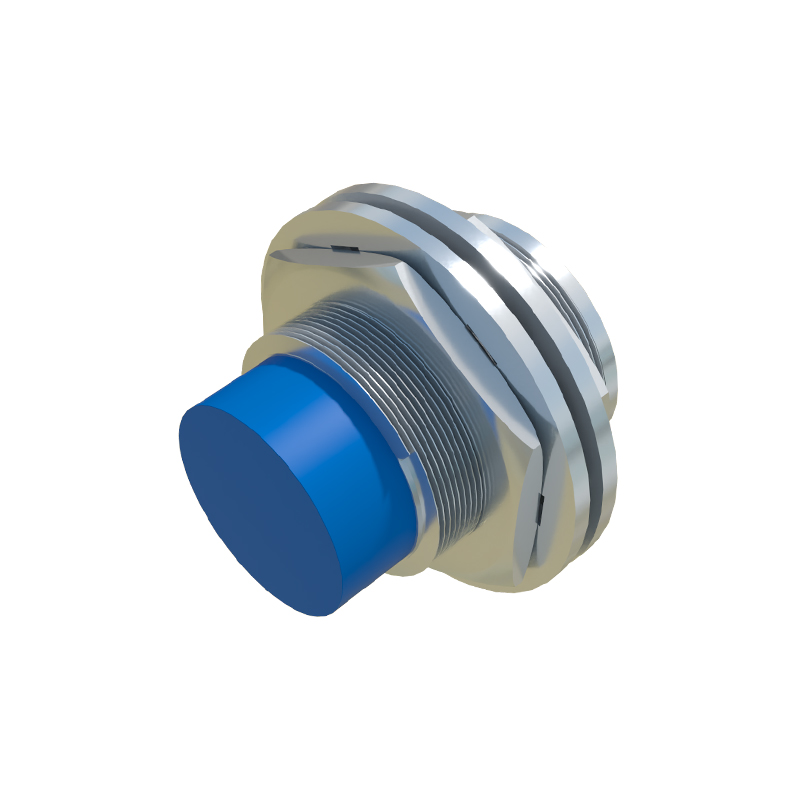
Installation is another critical factor. Sensors must be mounted securely to prevent vibration from altering the sensing gap. The sensing face should be clear of obstructions, and adjacent metal structures can sometimes affect the magnetic or capacitive field, requiring careful spacing as per the manufacturer's specifications. Finally, regular maintenance checks should verify that the sensor is clean and that its output signal is switching cleanly under expected conditions.
In summary, the proximity sensor trigger signal is the decisive link between detection and action. From the simple choice between PNP and NPN to its integration into sophisticated control algorithms, this signal forms the backbone of automated decision-making. A deep understanding of output types, system integration, and potential pitfalls ensures that these ubiquitous devices perform their silent, critical role with unwavering reliability, keeping processes running smoothly and safely.