Understanding the Impact of Ambient Light on Sensor Reliability
In industrial automation, photoelectric sensors are widely used for object detection, distance measurement, and positioning. However, one critical factor often overlooked is ambient light intensity. High ambient light, such as direct sunlight or strong artificial illumination, can saturate the sensor's receiver, causing false triggers or signal loss. For instance, in outdoor conveyor systems, midday sun may exceed 100,000 lux, overwhelming standard photoelectric sensors. Engineers must account for this by selecting sensors with built-in ambient light rejection filters or adjusting modulation frequencies to filter out noise. Testing under worst-case light conditions ensures robust operation in real-world environments, preventing costly downtime in factories or warehouses.
Selecting Sensors Based on Ambient Light Tolerance
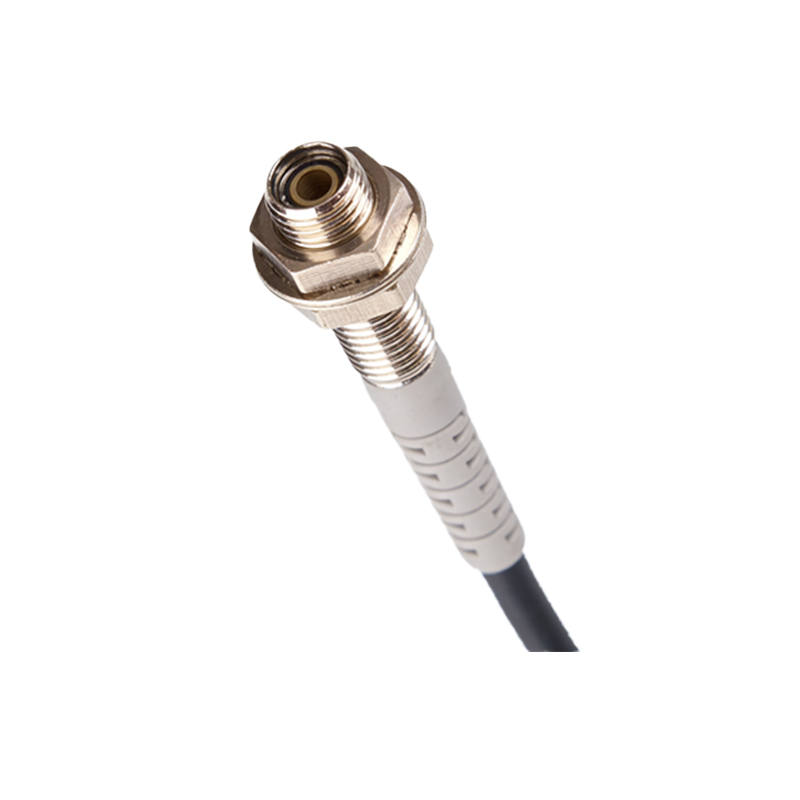
Different photoelectric sensor types respond differently to ambient light. Retro-reflective sensors, which use a reflector and polarized light, are less susceptible to ambient interference compared to through-beam sensors. For high-ambient environments, such as glass manufacturing or solar panel assembly, diffuse sensors with background suppression are recommended. These sensors emit pulsed infrared light and detect only the reflected signal within a specific angle, ignoring steady-state ambient light. When specifying sensors, review datasheets for maximum ambient light ratings (e.g., 1000 lux for indoor use vs. 100,000 lux for outdoor). Additionally, using shielded cables and proper grounding minimizes electromagnetic interference that can compound ambient light effects.
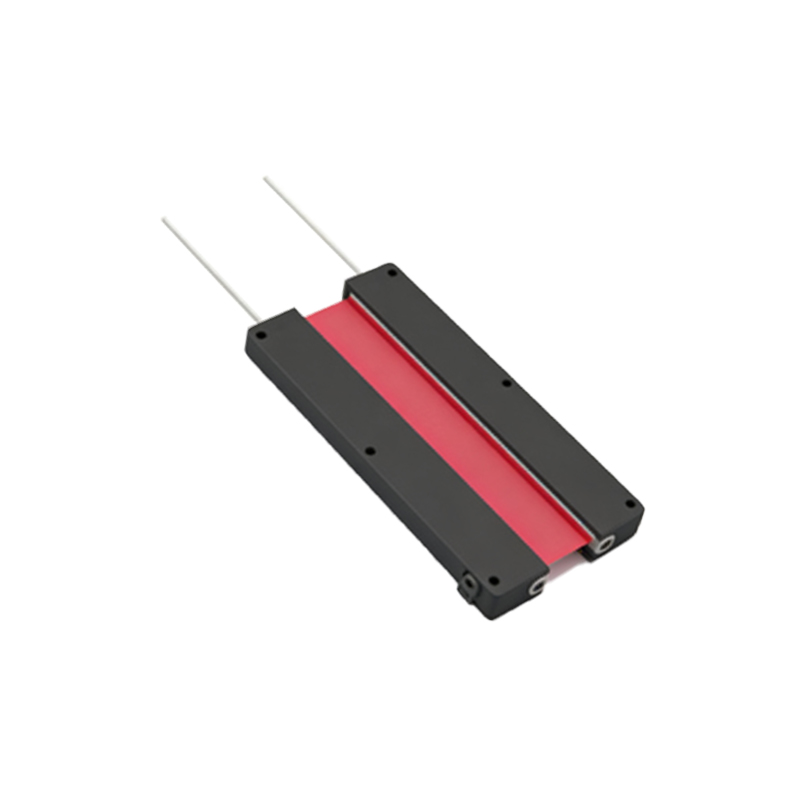
Optimizing Installation to Mitigate Ambient Light Challenges
Proper installation is key to mitigating ambient light issues. Avoid mounting sensors directly facing windows or reflective surfaces that concentrate light. Use light shields or hoods to block direct sunlight while maintaining detection path. In automated guided vehicles (AGVs) or robotic arms, consider using sensors with complementary metal-oxide-semiconductor (CMOS) technology that adapts to rapid light changes. For example, a sensor in a logistics hub may need to function under fluorescent lights (500-1000 lux) and then transition to outdoor sunlight (up to 50,000 lux) at a loading dock. Calibrating sensors with adjustable gain settings can further enhance performance, ensuring consistent detection across varying light conditions.
Testing and Maintenance for Long-Term Reliability
Regular testing and maintenance are essential for photoelectric sensors in variable ambient light. Use a lux meter to measure light levels at the installation site during different times of day. If ambient light exceeds sensor specifications, consider upgrading to models with advanced digital filtering or time-of-flight (ToF) technology, which is less affected by background light. For example, in printing presses or packaging lines where light from nearby welding arcs or UV curing systems introduces noise, ToF sensors maintain accuracy by measuring light pulse travel time rather than intensity. Documenting ambient light trends helps predict maintenance needs, such as cleaning lenses or replacing filters, to avoid unexpected failures.
Future Trends: Smart Sensors and Adaptive Algorithms
The next generation of photoelectric sensors incorporates smart algorithms to dynamically adapt to ambient light. These sensors use microcontrollers to analyze ambient light patterns and adjust threshold levels automatically. In smart factories, sensors connected to Industry 4.0 networks can share ambient light data across systems, allowing predictive adjustments. For instance, a sensor on a solar panel production line might detect increasing ambient light from a skylight and automatically boost its detection threshold. This reduces false positives and extends sensor life. As the industry moves towards more autonomous systems, engineers should evaluate these adaptive sensors for critical applications where ambient light variation is inevitable.