Introduction to AC220V Photoelectric Sensors
AC220V photoelectric sensors are critical components in industrial automation, designed to detect objects, distances, or presence using light beams operating at 220V alternating current. Unlike low-voltage DC sensors, these devices are directly powered by standard AC mains, making them ideal for environments where DC power sources are limited or where higher voltage simplifies wiring. In heavy-duty industries such as manufacturing, packaging, and material handling, AC220V sensors offer robust performance, long sensing ranges, and compatibility with existing AC infrastructure. They are particularly valued for their ability to withstand electrical noise and voltage fluctuations, ensuring reliable operation in harsh conditions.
Key Technical Specifications and Features
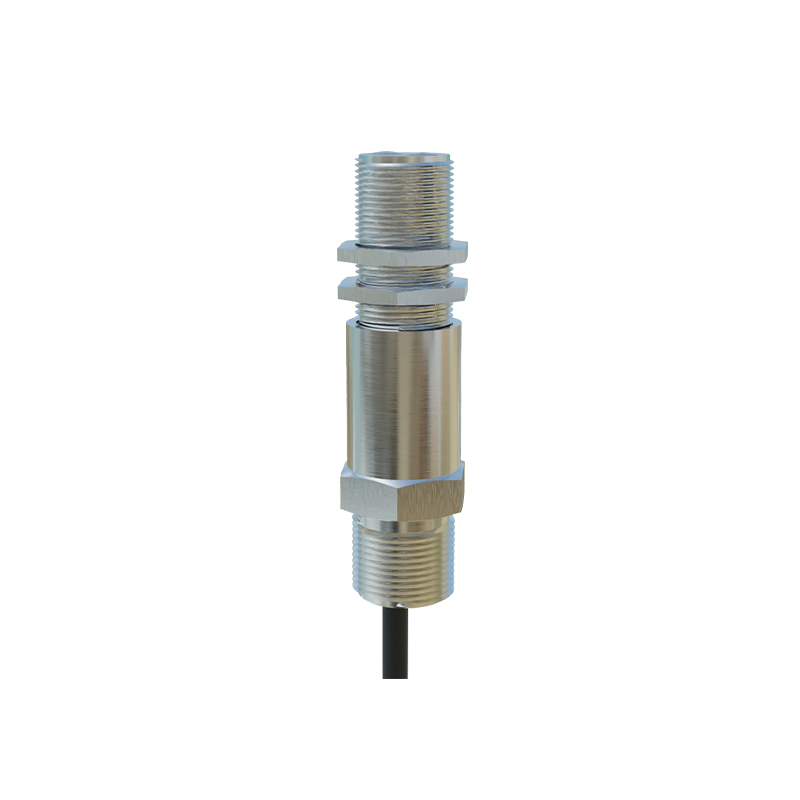
AC220V photoelectric sensors typically operate within a voltage range of 100-240V AC, with a frequency of 50/60 Hz. They are available in through-beam, retro-reflective, and diffuse sensing modes, each suited for different applications. Through-beam sensors provide the longest detection range, up to 20 meters, by using separate emitter and receiver units. Retro-reflective models use a reflector and offer ranges up to 10 meters, while diffuse sensors detect objects directly, with ranges up to 2 meters. Key features include IP67 protection for dust and water resistance, NPN or PNP output configurations, and adjustable sensitivity. Some advanced models include time-delay functions, background suppression, and alarm outputs for enhanced system integration.
Working Principle and Circuit Design
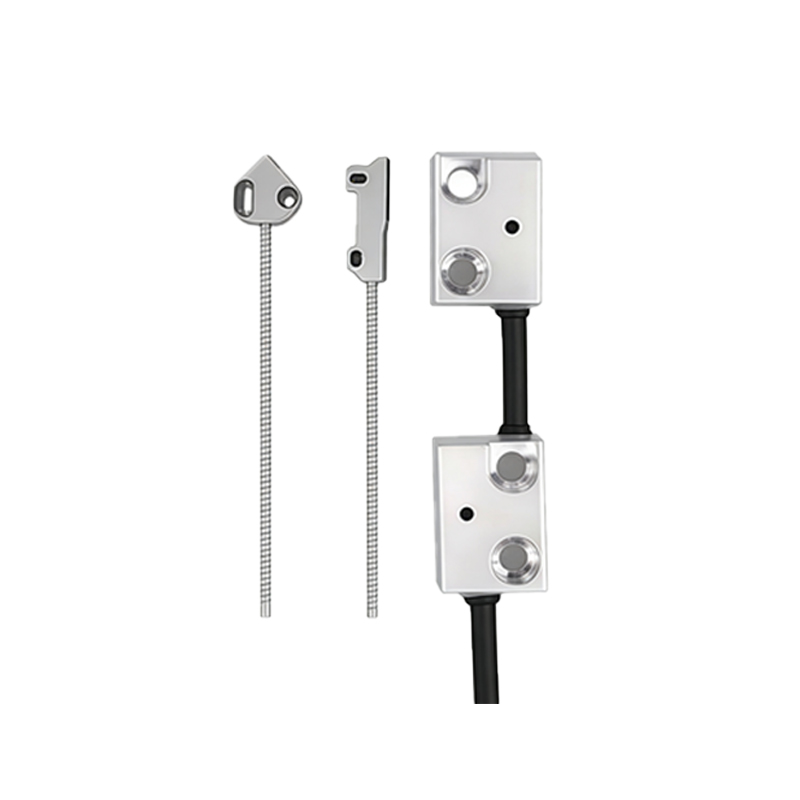
The sensor operates by emitting a modulated light beam, typically from an LED or laser diode, and detecting its reflection or interruption. In an AC220V system, the internal power supply rectifies the AC voltage to DC for the control circuitry, while the output relay or solid-state switch is designed to handle AC loads directly. The modulation technique reduces interference from ambient light, and the circuit includes surge protection and noise filters to ensure stable performance. When an object is detected, the output changes state, triggering alarms, conveyor stops, or other automated responses. The design emphasizes thermal management and electrical isolation to meet safety standards.
Industrial Applications and Use Cases
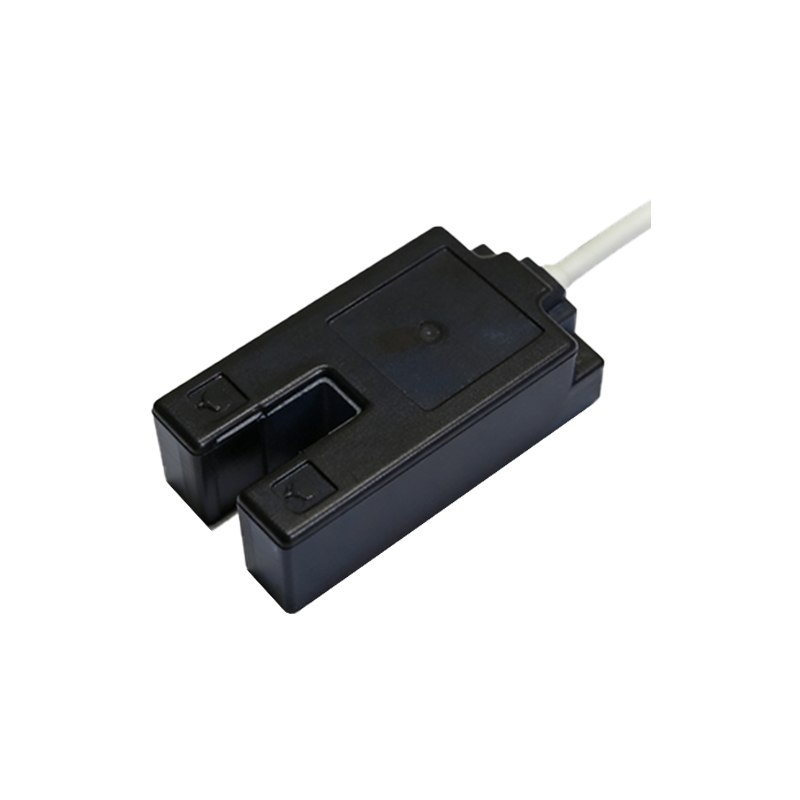
AC220V photoelectric sensors are widely used in industrial settings where high voltage simplifies power distribution. Common applications include conveyor belt systems for detecting package presence, automated door controls in warehouses, and safety barriers in machine guarding. In packaging lines, they monitor product flow and trigger diverters or reject mechanisms. For heavy machinery, they detect tool positions or material levels without physical contact, reducing wear and maintenance. Their ability to handle high electrical loads makes them suitable for directly switching contactors or motor starters, eliminating the need for intermediate relays.
Installation and Wiring Guidelines
Proper installation of AC220V sensors requires adherence to electrical codes to ensure safety and performance. Mount the sensor securely on stable brackets, ensuring the light beam is aligned with the target or reflector. For through-beam models, maintain a clear line of sight between emitter and receiver. Wire the sensor using appropriate gauge cables rated for AC voltage, typically 3- or 4-conductor shielded cables. Connect the power supply to L (live) and N (neutral) terminals, and the output to the load. Use a circuit breaker or fuse for overcurrent protection. Avoid running sensor cables parallel to high-power lines to prevent electromagnetic interference.
Advantages over Low-Voltage Sensors
AC220V sensors offer distinct advantages in industrial environments. They eliminate the need for separate DC power supplies, reducing installation costs and complexity. Their higher voltage allows for longer cable runs without significant voltage drop, which is critical in large facilities. Additionally, they are more resistant to electrical noise from motors and drives, ensuring consistent detection. However, they may have slower response times compared to DC sensors due to the rectification process. For applications requiring ultra-fast switching, DC sensors are still preferred, but for general automation, AC220V provides a reliable, cost-effective solution.
Maintenance and Troubleshooting Tips
Regular maintenance ensures the longevity of AC220V photoelectric sensors. Clean the lens and reflector periodically with a soft cloth to remove dust or oil buildup, which can degrade detection accuracy. Check wiring connections for tightness and signs of corrosion. If the sensor fails to detect, verify the power supply voltage and output load compatibility. Common issues include misalignment, ambient light interference, or internal component failure due to overvoltage. Use a multimeter to test input and output circuits, and replace the sensor if it shows erratic behavior. For advanced diagnostics, many sensors include LED indicators for power, output, and alarm status.
Safety Considerations and Standards Compliance
Working with AC220V sensors requires strict adherence to safety protocols. Always disconnect power before installation or maintenance to prevent electric shock. Ensure the sensor is certified to standards such as EN 60947-5-2 or UL 508, which cover industrial control equipment. For safety-critical applications like machine guarding, select sensors with redundant outputs and self-checking functions. Ground the sensor housing to prevent static buildup and use surge protection devices in areas prone to lightning or power spikes. Regular inspections by qualified electricians help maintain compliance and operational safety.