Introduction to Normally Open Photoelectric Sensors
Normally open (NO) photoelectric sensors are essential components in modern industrial automation systems. These devices detect the presence or absence of objects by using light beams, and in their default state, the output circuit remains open (non-conductive). When a target is detected, the circuit closes, sending a signal to the controller. This design is widely preferred for safety applications and fail-safe operations in manufacturing lines. Understanding the working principle, types, and selection criteria is vital for any electrical engineer working with automated control systems.
Working Principle of Normally Open Sensors
The core operation of a normally open photoelectric sensor relies on a light emitter and a receiver. In the absence of a target, the receiver does not receive a sufficient light signal, keeping the switch in an open state. When an object interrupts or reflects the light beam, the receiver activates, closing the circuit. For NO sensors, this means the output is normally off (0V or no current) and switches to on (24V DC or specific current) only during detection. Engineers must note that this logic is inversed for normally closed (NC) sensors. The response time, typically in the microsecond range, ensures high-speed detection in conveyor belts and packaging machines.
Key Types: Through-Beam, Retro-Reflective, and Diffuse
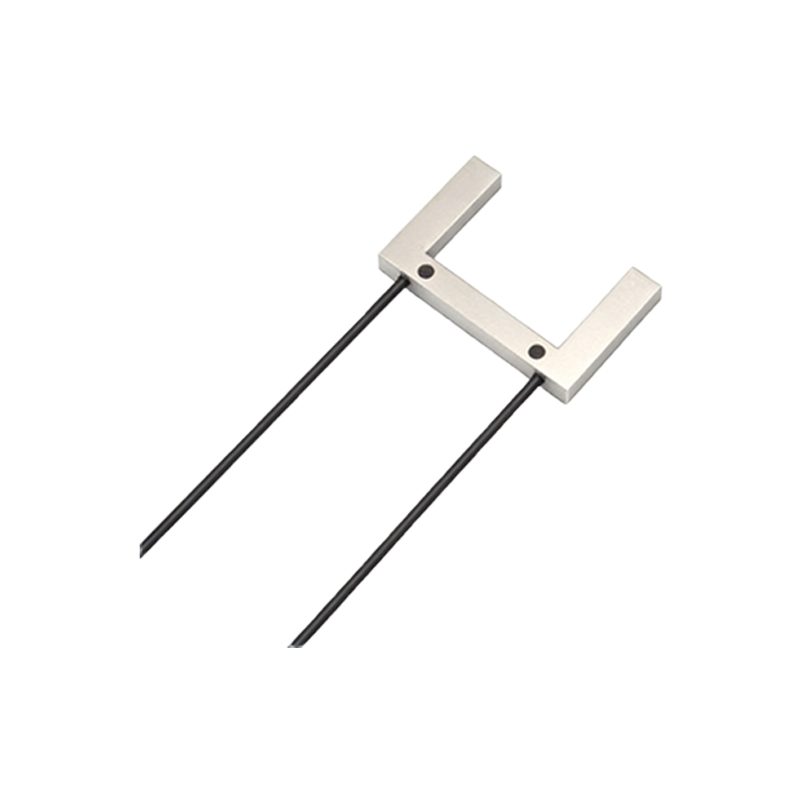
Normally open photoelectric sensors come in three primary configurations. Through-beam sensors have separate emitter and receiver units, offering the longest detection range (up to 30 meters) and high immunity to dust and dirt. Retro-reflective sensors combine emitter and receiver in one housing, using a reflector to bounce the beam back; they are ideal for medium-range applications (up to 10 meters). Diffuse sensors detect objects by the reflected light from the target itself, making them suitable for short-range detection (typically under 2 meters) and for transparent objects. Each type has specific advantages in terms of installation, alignment, and environmental resistance.
Selection Criteria for Industrial Environments
When choosing a normally open photoelectric sensor for a factory floor, consider factors such as operating distance, ambient light conditions, and the object's surface properties. For dusty or humid environments, through-beam sensors with high excess gain are recommended. For transparent or shiny materials, retro-reflective sensors with polarizing filters prevent false triggering. The sensor's output type must match the PLC input—PNP (sourcing) or NPN (sinking) are common. Additionally, check the protection rating (IP67 or higher) for washdown areas. Always verify the sensor's hysteresis to avoid oscillation around the detection threshold.
Wiring and Integration Best Practices
Integrating normally open sensors into a control system requires careful wiring. The typical three-wire configuration includes a power supply wire (brown), ground (blue), and output (black). For NO sensors, the output remains at 0V until detection. When connecting to a PLC, ensure the input module's voltage rating matches the sensor's operating voltage (e.g., 10-30V DC). Use shielded cables in high-EMI environments to prevent noise interference. For safety circuits, NO sensors are often used in series with a relay to create a fail-open condition. Always perform a continuity test with a multimeter before commissioning.
Troubleshooting Common Issues
Common problems with normally open photoelectric sensors include false triggering due to dust accumulation on the lens, misalignment of the emitter and receiver, or electrical noise. First, clean the optical surfaces with a soft cloth and isopropyl alcohol. Check the alignment using a laser alignment tool if available. Verify the power supply voltage is stable within the sensor's specifications. If the sensor fails to detect consistently, adjust the sensitivity potentiometer (if present). For intermittent faults, monitor the output with an oscilloscope to capture transient signals. Replace the sensor if internal component degradation is suspected.
Conclusion and Future Trends
Normally open photoelectric sensors remain a cornerstone of industrial automation due to their reliability and simplicity. Emerging trends include IO-Link communication for real-time diagnostics, miniaturized sensors for tight spaces, and smart sensors with built-in self-cleaning mechanisms. As Industry 4.0 advances, these sensors will integrate more tightly with cloud-based monitoring systems. For electrical engineers, staying updated on new technologies and maintaining a thorough understanding of sensor selection and troubleshooting will ensure optimal system performance and reduced downtime.